Preparing for Hiking Season: Essential Training and Gear Tips
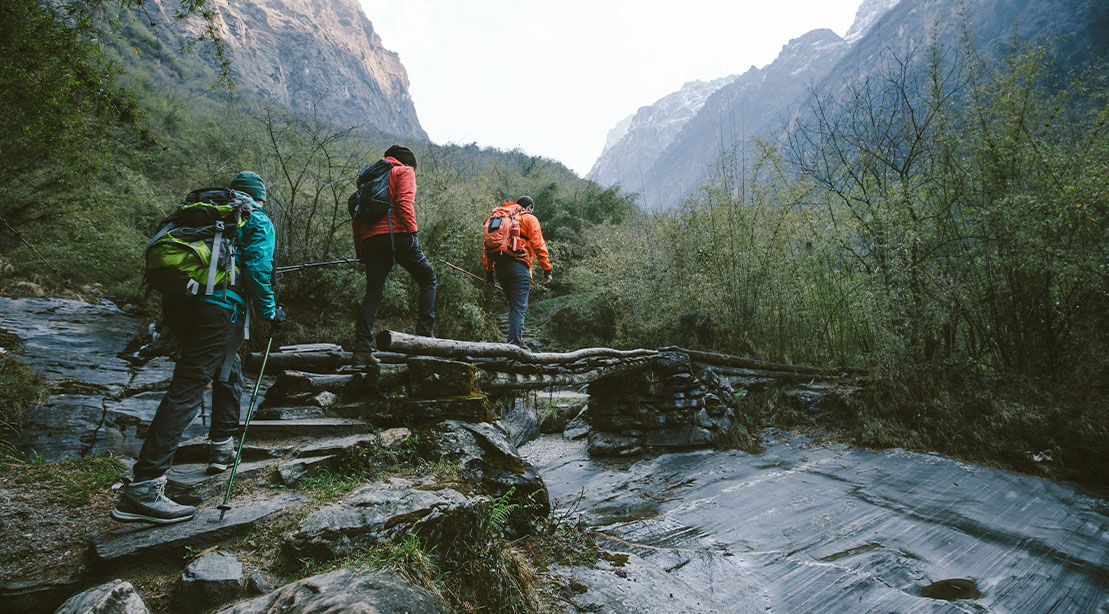
As hiking season approaches, many outdoor enthusiasts are ready to tackle longer trails and steeper climbs. The excitement of lacing up hiking boots and hitting the trails is palpable. However, the initial enjoyment can quickly turn to exhaustion if you’re not physically prepared. Understanding the physical demands of hiking and preparing both your body and gear can make all the difference on your adventure.
Understanding the Physical Demands of Hiking
Hiking involves much more than a simple walk in nature. It combines continuous aerobic activity with muscular endurance and stability on unstable surfaces. This unique blend can challenge even the most seasoned gym-goers. Here’s a breakdown of what makes hiking so demanding:
- High Repetition, Low-Grade Muscular Output: Hiking requires repeated, low-intensity contractions primarily from the quads, glutes, and calves. This relies heavily on muscular endurance, and fatigue can set in quickly if you’re not conditioned.
- Aerobic System: Since hiking is mainly an aerobic activity, a strong aerobic base is essential. This helps you maintain a steady pace without exhausting yourself too early.
- Stability and Proprioception: Navigating uneven terrain demands continuous adjustments from your ankles, knees, and hips, creating an ongoing stabilization requirement that’s often overlooked.
- Elevation Changes: Climbing requires significant force output and elevates your heart rate, while descending places a high eccentric load on your muscles, often leading to discomfort.
Training for Hiking Success
To effectively prepare for hiking, it’s crucial to understand the specific physical attributes required. Here are the key areas to focus on in your training regime:
- Aerobic Endurance: Aim for steady-state cardio sessions like incline walking or low-intensity cycling to build your aerobic capacity.
- Muscular Endurance: Repetitive movements such as step-ups and lunges are essential for conditioning your legs for long hikes.
- Strength: Incorporate full-body strength training focusing on exercises that mimic the demands of hiking, like goblet squats and split squats.
- Eccentric Control: Prepare for downhill hiking by practicing controlled descents and tempo squats.
- Stability: Include exercises like single-leg lifts and core stability drills to enhance your balance.
Customizing Your Training for Different Hiking Conditions
The type of terrain you’ll encounter dictates how you should train. Consider these scenarios:
1. Flat, Long-Distance Trails
Focus on pacing and maintaining a consistent effort over time. Building a strong aerobic base is vital to combat fatigue.
2. Steep Climbs
Incline walking and step-ups will help strengthen your legs while conditioning your cardiovascular system for sustained effort during ascents.
3. Rocky and Uneven Terrain
Stability exercises are crucial here. Work on your balance to manage foot placement effectively on rocks and roots.
4. Loaded or Multi-Day Hikes
Training with additional weight can help your body adapt to the extra stress on your joints and muscles during extended hikes.
Essential Exercises for Hiking Preparation
Selecting the right exercises is vital for building strength and endurance for hiking. Here’s a focused list of movements that will enhance your performance:
1. For Climbing Strength:
- Step-Ups
- Bulgarian Split Squats
- Goblet Squats
2. For Muscular Endurance:
- Walking Lunges
- Bodyweight Squats
- High-Rep Step-Ups
3. For Eccentric Strength (Descending Control):
- Step-Downs
- Tempo Squats
- Reverse Lunges
4. For Stability:
- Single-Leg RDLs
- Lateral Lunges
- Controlled Step-Throughs
5. For Core and Upper Body Stability:
- Farmer’s Carries
- Push-Ups
- Bent-Over Rows
Practical 3-Day Hiking Workout Plan
This simple yet effective 3-day training plan is crafted to build your trail-ready fitness:
Day 1: Strength and Climbing Focus
- Superset 1: Step-Ups and Pull-Ups – 3 sets each
- Superset 2: Bulgarian Split Squats and Push-Ups – 3 sets each
- Superset 3: Goblet Squats and Farmer’s Carries – 3 sets each
Day 2: Conditioning and Endurance
- Superset 1: Incline Walking with Walking Lunges – 30-45 minutes
- Superset 2: Bodyweight Squats and Band Rows – 2-3 sets each
- Superset 3: Bodyweight Step-Ups and Push-Ups – 2 sets each
Day 3: Control and Stability
- Superset 1: Step-Downs and Single-Leg RDLs – 3 sets each
- Superset 2: Reverse Lunges and Bent-Over Rows – 3 sets each
- Superset 3: Suitcase Carries and Lateral Lunges – 3 sets each
Choosing the Right Hiking Gear
Investing in appropriate gear can enhance your hiking experience considerably. Here are some essentials you shouldn’t overlook:
Footwear That Matches the Terrain
Your shoes or boots should offer adequate traction, a secure fit, and the necessary cushioning for long-distance comfort.
A Comfortable Pack
A well-fitting pack should distribute weight evenly and move with your body, allowing you to maintain a good pace comfortably.
Hydration Essentials
Proper hydration is vital. Look for hydration systems that allow easy access while you’re on the go and match your hike’s duration.
Adaptable Clothing
Your clothing should regulate your temperature and wick away moisture while providing freedom of movement.
Final Thoughts
With the right training and gear, you can enjoy hiking season to the fullest. Prioritize building endurance, strength, and stability over time, and customize your preparation based on the type of trails you plan to explore. Take the time to invest in proper gear that enhances your performance and comfort. Happy hiking adventures await!