The ongoing debate surrounding sugar consumption and its impact on health continues to garner attention. A recent study has shed light on the pricing dynamics of full-sugar soft drinks compared to their sugar-free counterparts, revealing some unexpected trends in retail pricing.
Introduction
Full-sugar soft drinks are being sold at the same price or even cheaper than their sugar-free alternatives despite the imposition of a sugar tax, a new study has found.
The Sugar Sweetened Beverage Tax (SSBT) was introduced in 2018 with the aim of encouraging consumers to make healthier choices. However, it has emerged customers are not being charged extra for high-sugar drinks in many supermarkets.
Research by academics at the School of Medicine at the University of Limerick and the Technological University of the Shannon examined the relative prices of popular carbonated drinks and their sugar-free versions in 14 retail outlets.
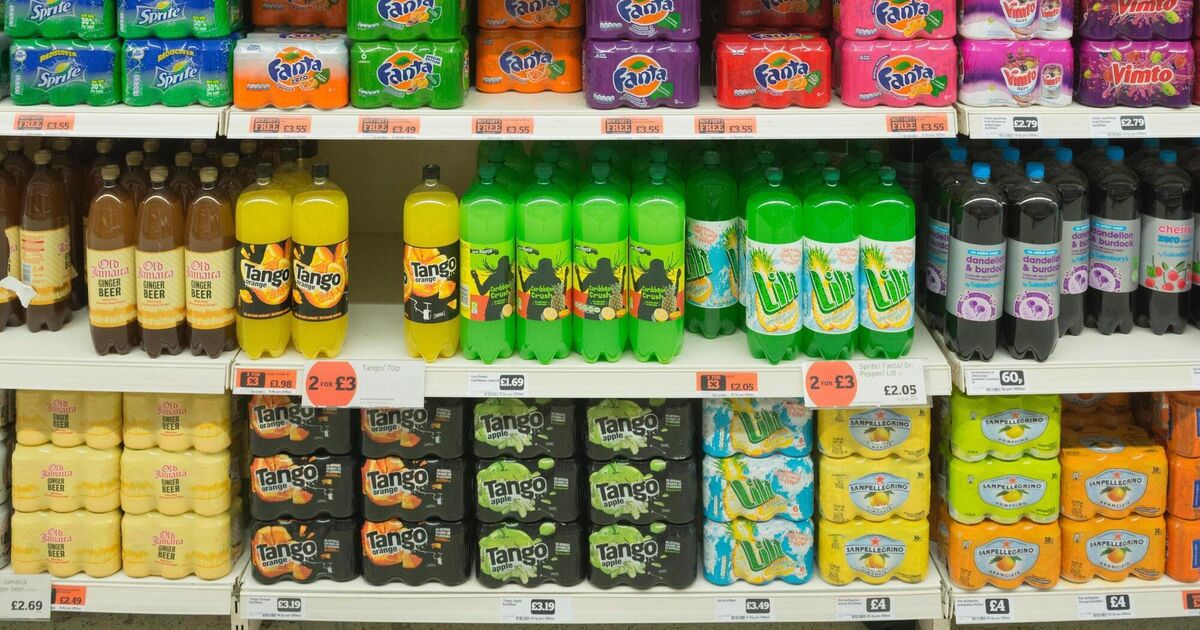
They found Coca-Cola, Pepsi, and various Club products were being offered at the same price as their sugar-free versions in about 60% of cases, and the sugar-free drink was even more expensive than the standard beverage in six instances.
In cases where the price of a full-sugar version of a drink was higher than the sugar-free version, the researchers found the price difference was sometimes less than the sugar tax rate, meaning the tax is not being passed on to consumers.
The tax that was introduced in 2018 imposes a 5c levy on 330ml cans, an 8c levy on 500ml bottles, and a 16c levy on litre bottles where a drink’s sugar content exceeds 5g per 100ml.
Where the sugar content exceeds 8g per 100ml, the levy rises to 8c on a 330ml can, 12c on a 500ml bottle, and 24c on a litre bottle. The tax was extended to include plant protein drinks and beverages containing milk fats in 2019.
The study, which was published in the this week, noted manufacturers had reformulated some drinks to lower their sugar content below 5g per 100ml with a view to avoiding the sugar tax.
These included Fanta, 7Up, and Sprite.
It examined the prices of 452 full-sugar and sugar-free carbonated beverages in 14 supermarkets, ranging in size from 150ml cans to two-litre bottles, and including various multipack bundles.
In 42% of supermarkets, cans of Coca-Cola and Diet Coke were the same price. Even where the full-sugar version was more expensive, it was sometimes lower than the 5c SSBT levy.
Larger bottles were “routinely” sold at the same price, the study found. The Club products surveyed as part of the research were Club Orange, Club Lemon, and Club Rock Shandy, along with their zero-sugar versions.
The authors said it was evident customers were not being charged extra for high-sugar drinks in supermarkets despite the introduction of the sugar tax.
“Such a lack of price differentiation clearly undermines the effectiveness of the SSBT in influencing consumers’ choices,” they added.
The study said increasing the sugar tax to ensure outlets pass the tax on to consumers was a possible option, and ring-fencing revenue for health expenditure might make such a move more politically acceptable.
It said the move by some manufacturers to reformulate their products and reduce their sugar content should be seen as a success for the tax.
Key Takeaways
- Full-sugar beverages are often priced the same as or lower than sugar-free alternatives.
- About 60% of surveyed products had equivalent prices for full-sugar and sugar-free versions.
- The sugar tax of 2018 imposes variable levies based on sugar content in drinks.
- Some manufacturers have reformulated their beverages to avoid the sugar tax.
- The effectiveness of the sugar tax in influencing consumer choices may be compromised.
FAQ
What is the Sugar Sweetened Beverage Tax (SSBT)?
The SSBT is a levy introduced to encourage healthier beverage choices by taxing drinks based on their sugar content.
How does the SSBT affect drink prices?
The SSBT imposes varying levies on sweetened beverages, but many retailers are not passing these costs onto consumers.
What types of beverages are covered by the SSBT?
The tax applies to sugary drinks, including traditional carbonated beverages and certain milk-based drinks.
As the findings of this study demonstrate, the relationship between tax policy and consumer pricing remains complex. The reformulation of products by manufacturers signifies progress, but the lack of price differentiation at retail may hinder broader health objectives.