
Thorne, a renowned supplement brand, is set to achieve impressive growth, with projected annual revenue reaching $650 million this year. This surge is primarily driven by Gen Z and millennial consumers who are increasingly prioritizing their health and wellness, according to CNBC.
The brand, which was taken private by L Catterton in 2023, boasts a remarkable compound annual growth rate of over 30% since its acquisition. Between 2022 and 2025, Thorne’s revenue has more than doubled, sky-rocketing from $229 million to over $500 million, based on company filings.
Moreover, the number of direct consumers purchasing from Thorne has expanded to approximately 7 million, a significant increase from around 4 million at the close of 2023. This growth has led to a 63% rise in direct-to-consumer sales.
“In recent years, we have focused on streamlining and clarifying our target market, understanding what our consumers want, and reflecting on our brand heritage,” said CEO Colin Watts, former CEO of The Vitamin Shoppe. He added, “We anticipate that Thorne will evolve into a billion-dollar brand in the next few years.”
Thorne’s success coincides with the booming market for vitamins, minerals, and supplements in the U.S., which has been invigorated by the “Make America Healthy Again” movement. Health-conscious young consumers are eager to optimize their health, encompassing aspects like sleep and nutrition. The vitamins and supplements market reached an impressive $125 billion in the U.S. in 2025, with projections suggesting 11% growth by 2027, as estimated by AlixPartners.
“As the science behind supplements improves and consumers take more control over their health, spending habits are shifting towards proactive health management,” Watts highlighted.
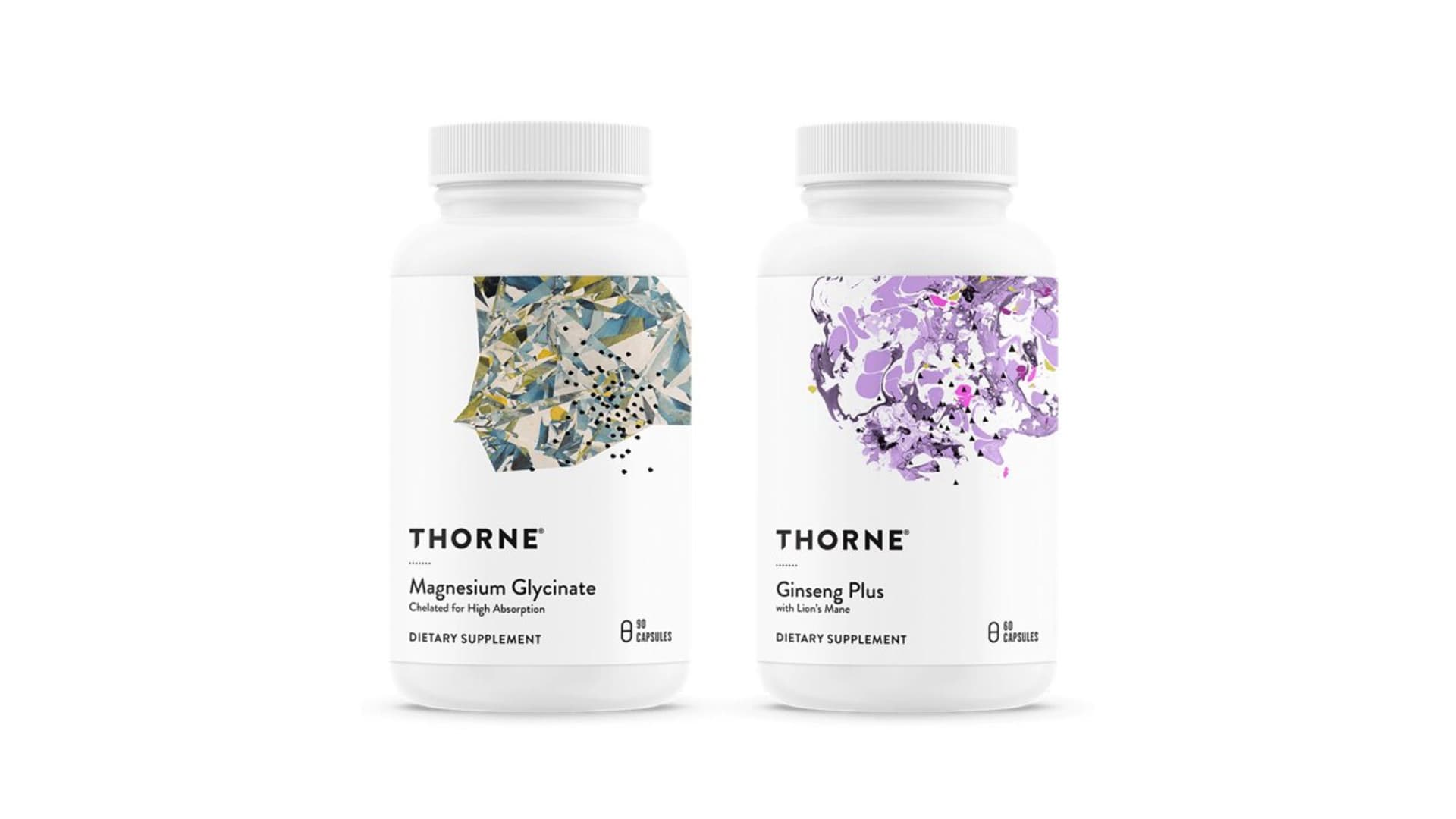
Thorne’s Magnesium Glycinate and Ginseng Plus supplements.
Courtesy: Thorne
The increasing interest in dietary supplements—an appealing gifting option over the recent holiday season—has opened avenues for major retailers like Walmart, Target, and Amazon, as well as consumer product companies such as Nestlé and smaller brands like Thorne. This shift also indicates a generational transition within the industry. Once predominantly influenced by older consumers fixated on preventive health, the market is now driven by younger shoppers who value performance, personalization, and daily wellness routines.
“When I entered this market 25 years ago, it was primarily boomer-driven, focused on meeting the needs of that demographic. Today, Gen Z and millennials dominate, viewing supplementation not just as a preventive measure but as a performance enhancer,” Watts explained. He noted that younger consumers are interested in improving sleep, boosting energy, managing anxiety, and enhancing workout effectiveness.
Approximately 60% of Thorne’s revenue is generated by customers under 40, who are spending 1.5 times more on wellness than their parents did. Watts estimated that half of this demographic subscribes to Thorne’s products, although some younger consumers are hesitant about recurring subscription plans.
“Gen Z finds subscriptions frustrating—many people share this opinion—especially when they notice the same product offered at a lower price elsewhere,” Watts stated. “We maintain consistent pricing to ensure fairness across the board.”
To encourage subscriptions and alleviate pricing concerns, Thorne provides free shipping and a 10% discount on each refill order. Customers can subscribe for deliveries as frequently as every two weeks or as infrequently as every four months. Additionally, opting for three or more products allows subscribers to save 20%.
As the supplement industry expands, scrutiny regarding ingredients, claims, and manufacturing practices intensifies, particularly among younger consumers who seek transparency about product origins. Since supplements are not regulated by the FDA for safety or efficacy, brands face pressure to perform thorough testing and integrate these results into their marketing strategies.
“We invest considerable effort in demonstrating the science and efficacy of our products. For over 14 years, we’ve collaborated with the Mayo Clinic, and we also partner with top sports teams, including the UFC,” Watts noted. “Such collaborations challenge us to elevate our standards, as these partners demand a higher level of quality.”
When asked about the company’s potential plans for going public again, Watts indicated there is “no urgency.” He considered an IPO as one of several possible pathways, alongside a strategic acquisition by a larger firm.
“As a private equity firm, L Catterton will seek opportunities for a suitable exit when the time is right,” Watts explained. “Currently, we are concentrating on our growth through brick-and-mortar retail, international expansion, and other avenues. Many strategic companies would view Thorne as a valuable asset in their portfolio.”


