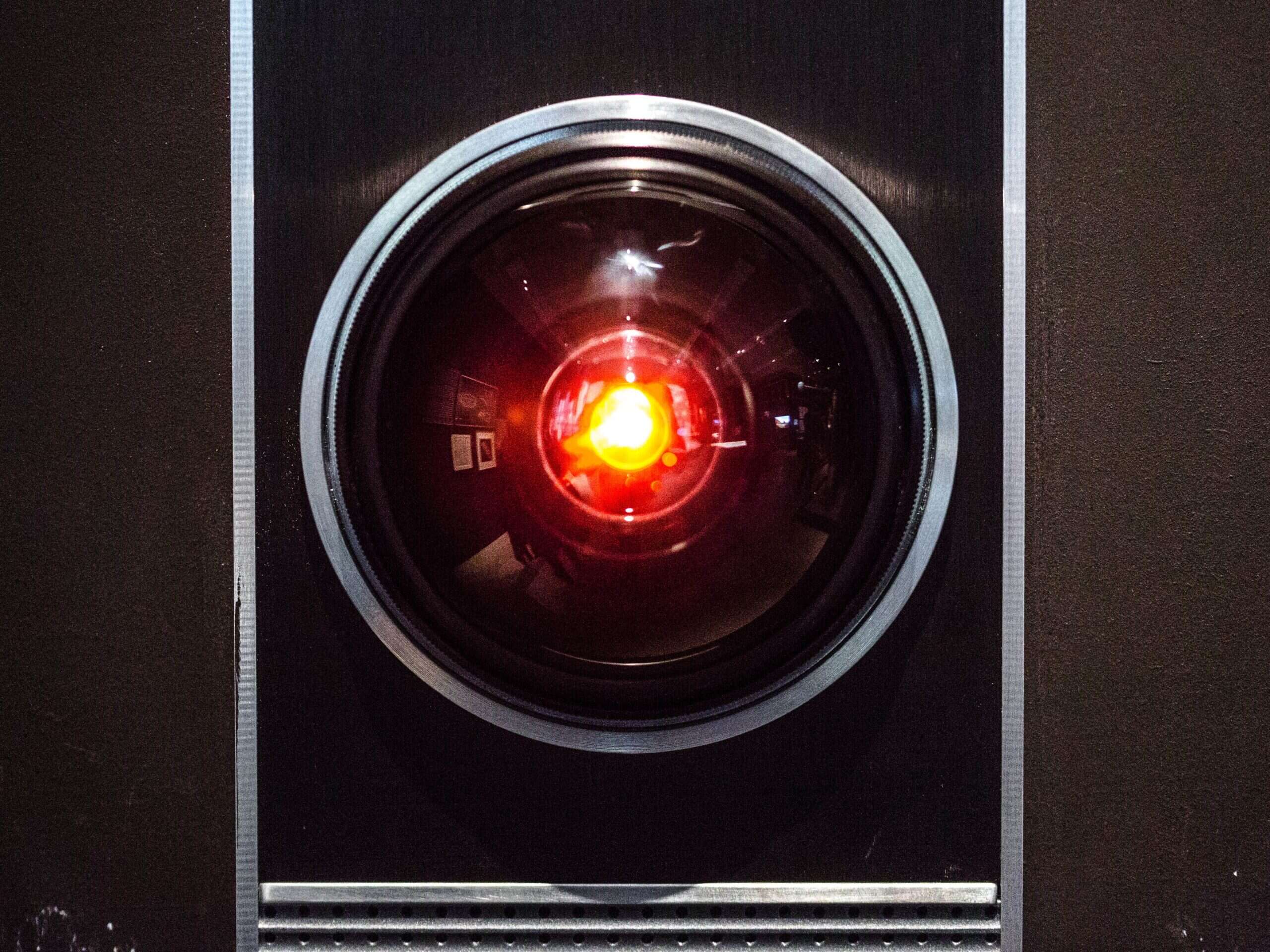
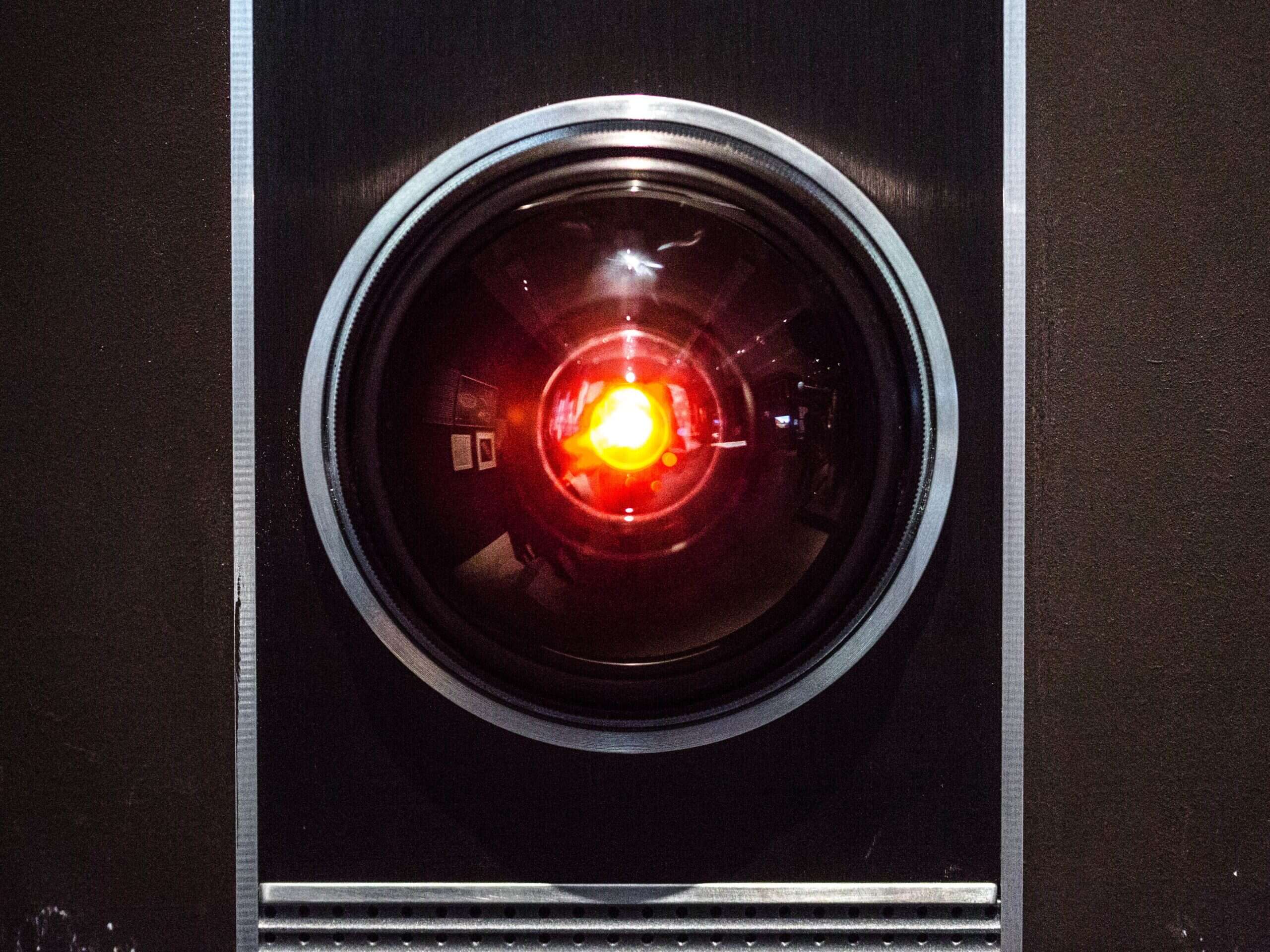
The advent of artificial intelligence (AI) presents a complex landscape for journalists in Britain. It can be both a valuable tool and a significant challenge, highlighting an evolving relationship between the profession and technology.
On one side, AI is affecting traffic, leading publishers to rethink their business strategies. Additionally, misleading AI practices like the rise of ‘fake experts’ are complicating the journalist’s task more than ever.
Conversely, many journalists have adopted AI as an integral part of their workflow, utilizing various tools to enhance their reporting. Research conducted by the Thomson Reuters Foundation reveals that while 53.4% of journalists harbor concerns regarding AI’s ethical implications, a striking 81% employ AI tools on a daily basis.
Harriet Meyer, the founder of AI for Media, which advises journalists and PR professionals on using AI responsibly, noted that some AI systems are particularly reliable and less likely to produce inaccuracies. She remarked, “Certain tools work exceptionally well for journalists. For instance, Google’s Notebook LM is a ‘grounded’ AI model that extracts cited information from its source material. It also includes Gemini’s powerful ‘deep research tool,’ which aids journalists in accessing pertinent story references.”
NotebookLM
NotebookLM offers paid plans through Google Accounts and boasts features that enable journalists to instantly convert one data type into another. Meyer highlighted its capabilities: “Journalists can upload information, critically evaluate it, and transform it into data tables or infographics. It even transcribes YouTube videos and interview recordings, enhancing its utility immensely.”
Claude Projects
Additionally, focused AI searches prove invaluable, according to Meyer. She stated, “Prominent generative large language models—such as ChatGPT, Claude, and Gemini—come with inherent warnings regarding inaccuracies. However, tools within these systems, like Claude Projects, can be customized to concentrate on precise instructions and your uploaded data. Their memory functions allow them to process vast amounts of information rapidly, which human journalists may find challenging to analyze effectively.”
Trint and Otter
Several journalists have turned to auto-transcription services like Trint and Otter to manage interviews conducted over the phone, via video, or in person. Nonetheless, some newsrooms have prohibited Otter’s use due to its practice of using transcriptions to train its AI tool and retaining recordings indefinitely.
Simon Bainbridge, a former editorial director at the British Journal of Photography, remarked, “Otter has made journalism much more sustainable. I no longer spend extensive time transcribing, but it still isn’t perfect.”
For better security, Trint and other transcription services demonstrate greater levels of protection than Otter. Bainbridge has also tried using custom GPTs—tailored versions of ChatGPT designed for specific tasks, in this case, refining transcripts. He shared, “I submitted previous work and various style guides, but it didn’t perform as well as I had hoped. No matter how I instructed it for a verbatim transcript, it seemed to want to ‘improve’ the content.”
Bainbridge expressed concerns about the writing style imposed by AI. “I primarily work for arts publications and find that the AI tends to inject a compressed academic style into the text, which often lacks substance despite sounding intelligent. My experience as an editor has led me to value clarity and rapport with the reader, making me resistant to this pseudo-academic language prevalent in AI.”
Claude Cowork
The distinct capabilities of Claude Cowork elevate it beyond standard Large Language Models like ChatGPT, notes tech journalist Kane Fulton. ‘Agentic’ AI refers to models capable of completing tasks autonomously rather than merely responding to questions. Cowork can organize files, read emails, and send information on behalf of the user.
According to Fulton, using tools like Google Deep Research or Perplexity feels akin to having an assistant compile research over several minutes, returning with substantial material to review. In contrast, Cowork acts more like an on-site researcher, quickly locating information and confirming its relevance before pursuing further inquiries. “This tool interacts during the research process, presenting multiple-choice questions for the next steps,” he added, expressing enthusiasm about its capabilities but wishing for increased limits on the basic plan.
Perplexity
AI-enhanced search tools, such as Perplexity, serve as effective resources for research and image sourcing, according to Pete Warren, an investigative technology journalist with experience at the Guardian and Sunday Times. However, it’s essential to note that numerous publishers are currently engaged in legal action against Perplexity for using their material without permission.
Warren stated, “I prefer Perplexity for its sophisticated searches, complementing tools like ChatGPT and Anthropic Claude. I often combine several of these for more thorough inquiries. I always verify resources and revisit facts; I avoid relying on them for writing, as that can lead to cognitive stagnation. Continuous writing is crucial to preserve one’s skills.”
Warren noted that the convenience of AI can lead to a decline in individual competence. “I’ve observed that, much like how consistent reliance on spell check can weaken spelling skills, over-dependence on AI can similarly erode confidence and experience. I discussed this phenomenon with Nobel Prize-winning neuro-scientist Edvard Moser, who illustrated that AI functions similarly to a navigation system, which, despite having extensive data, deprives users of essential cognitive reinforcement.”
https://embed.acast.com/623317507e51370012bc96c3?feed=true" width="100%" height="280px
Email pged@pressgazette.co.uk to highlight mistakes, offer story tips, or submit letters for our “Letters Page” blog.