 6 min read
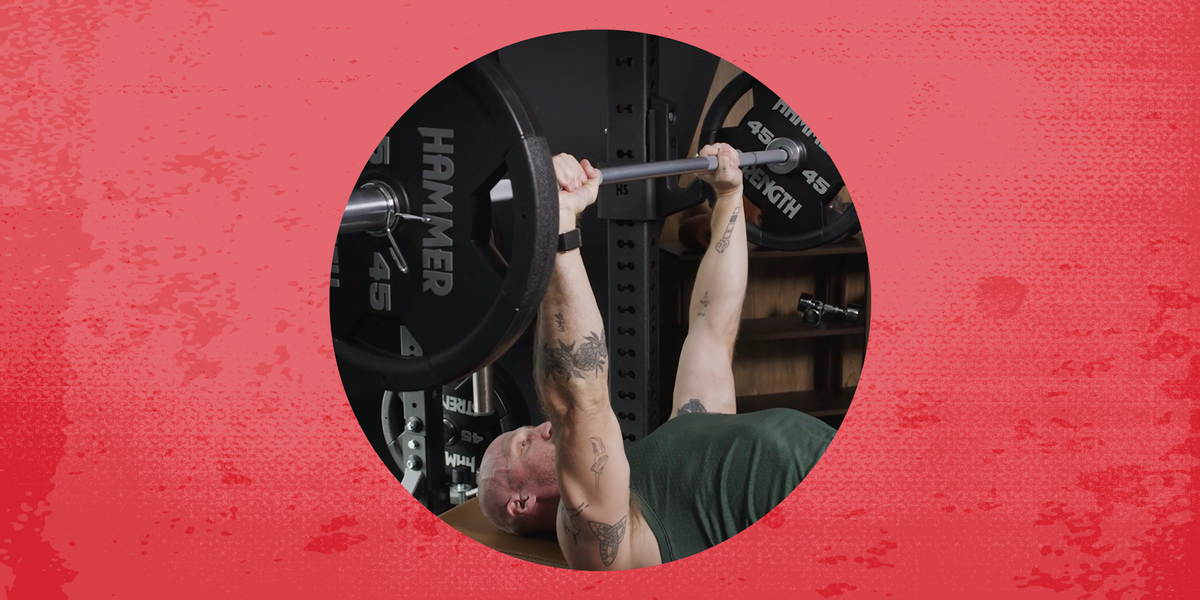
Mastering the Barbell Bench Press is essential for anyone serious about strength training. This exercise is a staple in most fitness routines due to its incredible ability to build muscle. The barbell bench press not only strengthens your chest (pectorals) but also engages your triceps, shoulders, and several stabilizing muscles, from your core to your glutes.
According to Ebenezer Samuel, C.S.C.S., fitness director at Men’s Health, “The bench press is a gold standard upper-body lift. However, many people struggle with their form on their first attempt.”
Poor form not only leads to limited gains but can also increase the risk of injury, especially as you start lifting heavier weights. Samuel adds, “The bench press is deceptively complex—understanding the nuances can be challenging. But with proper guidance, you can maximize your lifts and build incredible strength.”
How to Perform the Barbell Bench Press
Preparation Is Key
Before you even lift the bar, proper positioning is crucial. “Lying on the bench isn’t about getting comfortable; it’s about creating an active position,” says Samuel, emphasizing that this is a total-body lift if done correctly.
Follow these steps to set yourself up effectively for the lift.
1. Position Your Feet
Begin by grounding your feet. “Drive your heels into the floor for stability,” recommends Samuel. A solid base is essential for effective pressing.
2. Engage Your Glutes
As you recline on the bench, ensure that your body is firmly anchored. “Squeeze your glutes,” Samuel advises. This action will enhance your core stability, allowing you to harness lower body power.
3. Drive Shoulders Back
Many lifters make the mistake of arching too much. Instead, focus on driving your shoulders into the bench. This position provides the stability necessary for effective strength training.
4. Find the Right Hand Placement
Avoid gripping the bar too widely, as this can reduce chest activation and increase shoulder injury risk. Position yourself under an unlabeled bar and adjust your grip until your forearms are perpendicular to the ground. This alignment enhances force for an effective lift.
5. Choose Your Grip Style
Lifters typically use an overhand (pronated) grip. An alternative is the “death grip,” where the thumbs don’t wrap around the bar. While effective for some, it requires caution to prevent accidents; Samuel suggests sticking with the traditional grip unless you have significant experience.
6. Unrack the Bar
Before lifting, revisit your setup: feet grounded, glutes squeezed, shoulders locked. With the bar over your chest, rotate your elbows inward to activate your lats. Finally, relax your shoulders down and back.
The Lift
When beginning the lift, pay attention to the path of the bar. “Aim to bring the bar down to the lower part of your chest,” explains Samuel. Your arms should form about a 45-degree angle as you control the descent. Press back up along the same path until your arms are straight, maintaining a slight bend to avoid locking your elbows.
Common Barbell Bench Press Mistakes
1. Lifting Your Butt Off the Bench
This usually occurs when lifters strain to finish a rep and compromise their technique. “Counteract this by engaging your glutes as you press,” says Samuel. This will help maintain proper form and ensure quality repetitions.
2. Changing Foot Position
Frequent shifting of your feet during the lift wastes energy and alters your base. Keep your feet stationary for the entirety of your set.
3. Not Grounding Your Feet
Lifting your feet or placing them on the bench disrupts stability. “This is the worst error I often see,” Samuel emphasizes, urging lifters to keep their feet firmly on the floor to leverage lower body power.
4. Incomplete Range of Motion
Loading the bar to an excessive weight may hinder your ability to perform reps properly. Ensure that the bar touches your chest during each repetition, as this is essential for developing your upper body strength.
5. Flaring Elbows
Maintaining elbow angle is crucial. Many lifters neglect this on the way up. “Focus on keeping your elbows at a 45-degree angle throughout the lift,” Samuel advises.

Trevor Thieme is a Los Angeles-based writer and strength coach, and a former fitness editor at Men’s Health. When not helping others get in shape, he enjoys surfing, skiing, hiking, mountain biking, and spending time with his 10-year-old daughter.