The Rise of Male Aesthetics: Embracing Fitness Beyond the Gym
In recent years, a significant cultural shift has emerged in the realm of male aesthetics, where men are increasingly prioritizing their appearance through various methods—from subtle cosmetic tweaks to more extreme procedures. This change reflects a broader societal tendency toward image-consciousness and a willingness to explore diverse routes to achieve the ideal physique.
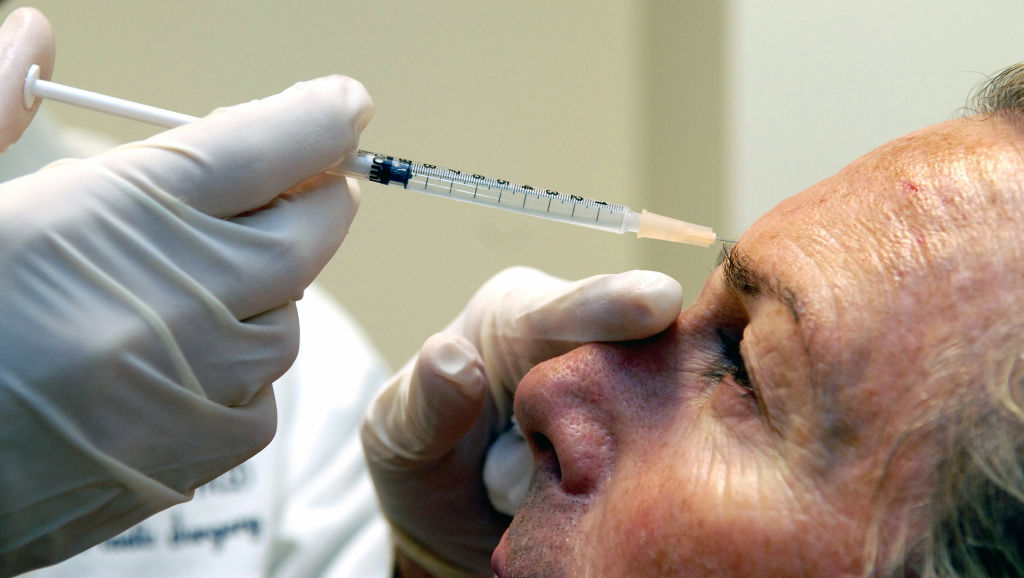
Men today are engaging with an array of enhancements, such as jawline fillers and Botox, in their pursuit of a sculpted, youthful look. Celebrities like Barry Keoghan and Rylan Clark have showcased dramatic transformations that highlight a new standard of masculinity. Digital platforms amplify these visuals, creating a culture where men feel pressure to conform to specific aesthetic ideals, often leading to a homogenized appearance. Each face is sculpted for social media, and the ideal male silhouette seems to become increasingly uniform.
Statistics indicate the booming male cosmetic industry. Since the year 2000, procedures tailored for men have surged by 70%, and “Brotox” has skyrocketed by 400%. In the UK alone, male facelifts rose by 26% between 2024 and 2025. Surprisingly, a notable 23% of men aged 18 to 34 have experimented with Botox or fillers, surpassing their female counterparts in the same age group.
However, cosmetic enhancements are just the beginning. Influenced by “looksmaxxing” trends, some young men are venturing into riskier territory, undergoing procedures like leg lengthening, jaw reshaping (coined “bonesmashing”), and surgical fat removal in their quest for an idealized version of masculinity. Social media influencers are shaping this narrative, showcasing the lengths to which individuals will go for societal approval.
Among the most shocking developments is the emergence of cadaver fat injections—an expensive procedure that allows individuals to sculpt their bodies with fat derived from deceased individuals. Such practices provoke serious ethical questions and highlight the extremes to which people are willing to go in hopes of achieving perfection.
The image of rugged, character-filled faces seems to be fading, replaced by meticulously crafted visages built for visual consumption through screens. Traditional notions of masculinity are evolving, leading to a time where the optimized face is becoming the new norm. With such pressures, the line between genuine self-expression and curated images blurs, pushing many to seek perfection at any cost.
In this era, it’s crucial to strike a balance in the pursuit of attractiveness and personal well-being. Building a strong, healthy body through fitness should remain a primary focus. Adopting sustainable practices such as strength training, cardiovascular exercise, and mindful nutrition can cultivate not just the body’s appearance, but its overall function and vitality. Emphasizing a well-rounded approach to health, rather than succumbing to external pressures for superficial perfection, can truly empower individuals to embrace their natural selves.
In conclusion, the current fascination with male aesthetics offers both opportunities and challenges. While the desire to improve one’s appearance is natural, it is essential to approach fitness and health with mindful, sustainable practices. Embracing individuality and prioritizing body wellness over societal expectations will lead to a more fulfilling journey. Remember, true strength lies not just in what you see on the surface, but in how you feel within.