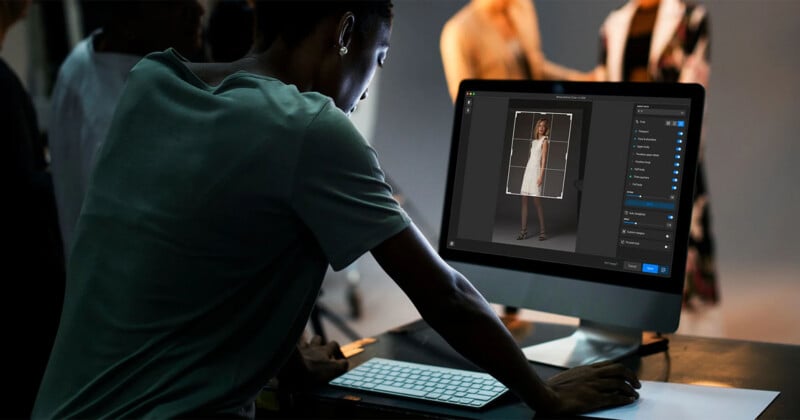
The role of artificial intelligence (AI) in photography has sparked considerable debate. Photographers increasingly view AI as a tool that can enhance their workflow, whether for retouching portraits or simplifying various tasks. A recent survey of 363 photographers in Europe and the United States revealed that most prefer AI to assist in their work rather than assume full creative control.
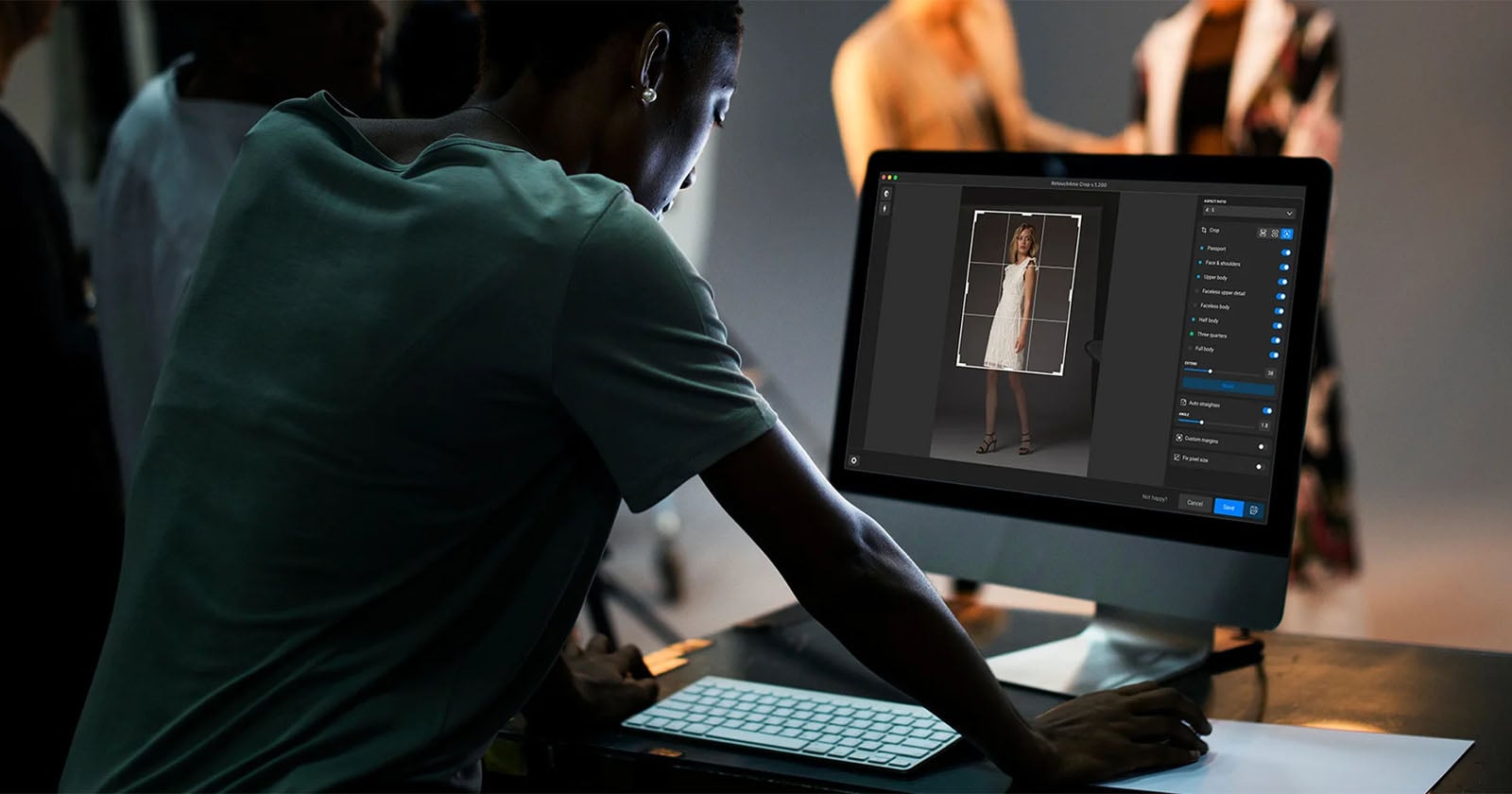
Retouch4me, developers of AI-driven editing software, gathered insights from the survey about the use and limitations of AI in photography. The findings showed that many respondents, already integrating AI into their workflows, believe it should primarily manage the “mechanical, repetitive aspects” of photo retouching.
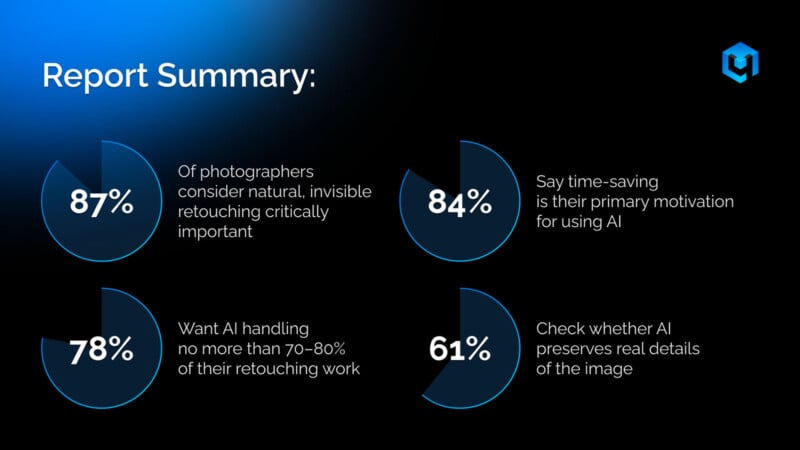
A significant 78% of respondents indicated a preference for AI to manage no more than 70 to 80 percent of retouching tasks, with only 24% willing to relinquish full creative control to AI. Natural, subtle retouching is a priority for photographers, who emphasize the importance of preserving the authenticity of portraits. Features that make a face human, such as imperfections and wrinkles, should remain intact, rather than being erased by AI algorithms.
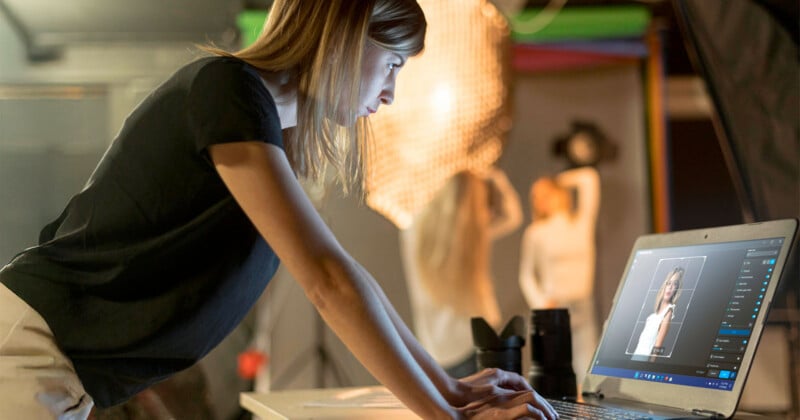
“People are growing weary of the notion of artificial perfection,” states Polish photographer Lukasz Spychala. “They prefer photographs that reflect authentic human experience rather than images indistinguishable from AI-generated content.”
A striking 84% of respondents cited time-saving as the primary motivation for incorporating AI into their post-processing workflow, allowing photographers to focus on their craft and client interactions.
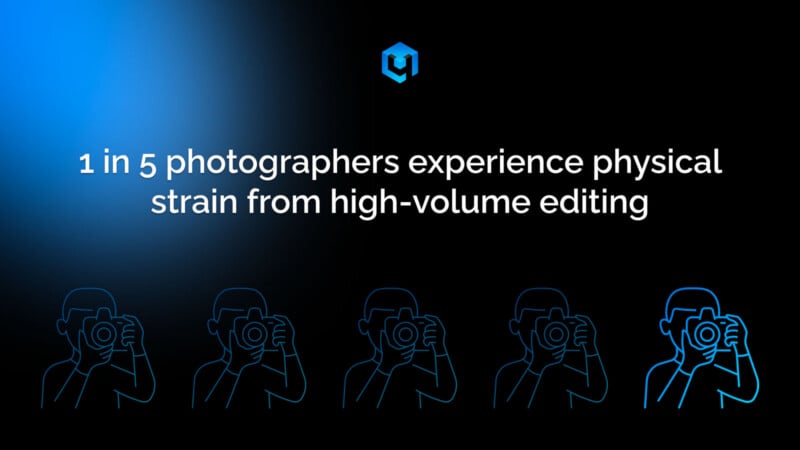
One-in-five respondents acknowledged that extensive post-processing is physically demanding, highlighting the potential benefits of AI solutions for these photographers.
“The money I’ve invested in ergonomic office equipment to make editing sessions more bearable is substantial,” Glatzer shares. “Retouching is taxing on both the body and mind, and I long for more time outdoors with family and friends.”
Companies like Retouch4me find themselves navigating a complex and rapidly evolving landscape. Questions around the utility of AI, its limitations, and the preferences of working photographers remain crucial for development. Striking the right balance between creating effective tools and avoiding the pitfalls of replacing human creativity is essential.
“I feel accountable for maintaining significant control over my creative process and the final outcome of my work,” asserts photographer Joseph Correa. “AI serves as a helpful tool for heavy lifting, but it doesn’t replace human input.”
As a company, Retouch4me aims to develop impactful AI tools that align with the needs of photographers. Various companies are approaching this challenge differently. Evoto faced backlash for presenting a product perceived as a competitor to photographers earlier this year. Recently, Aftershoot committed to involving actual photographers in its product development. Meanwhile, Retouch4me insists on creating AI that supports photographers with practical tasks, ensuring that artistic decisions remain with the human creators.
Image credits: Retouch4me