Understanding Representation in Video Games: A Call for Diversity
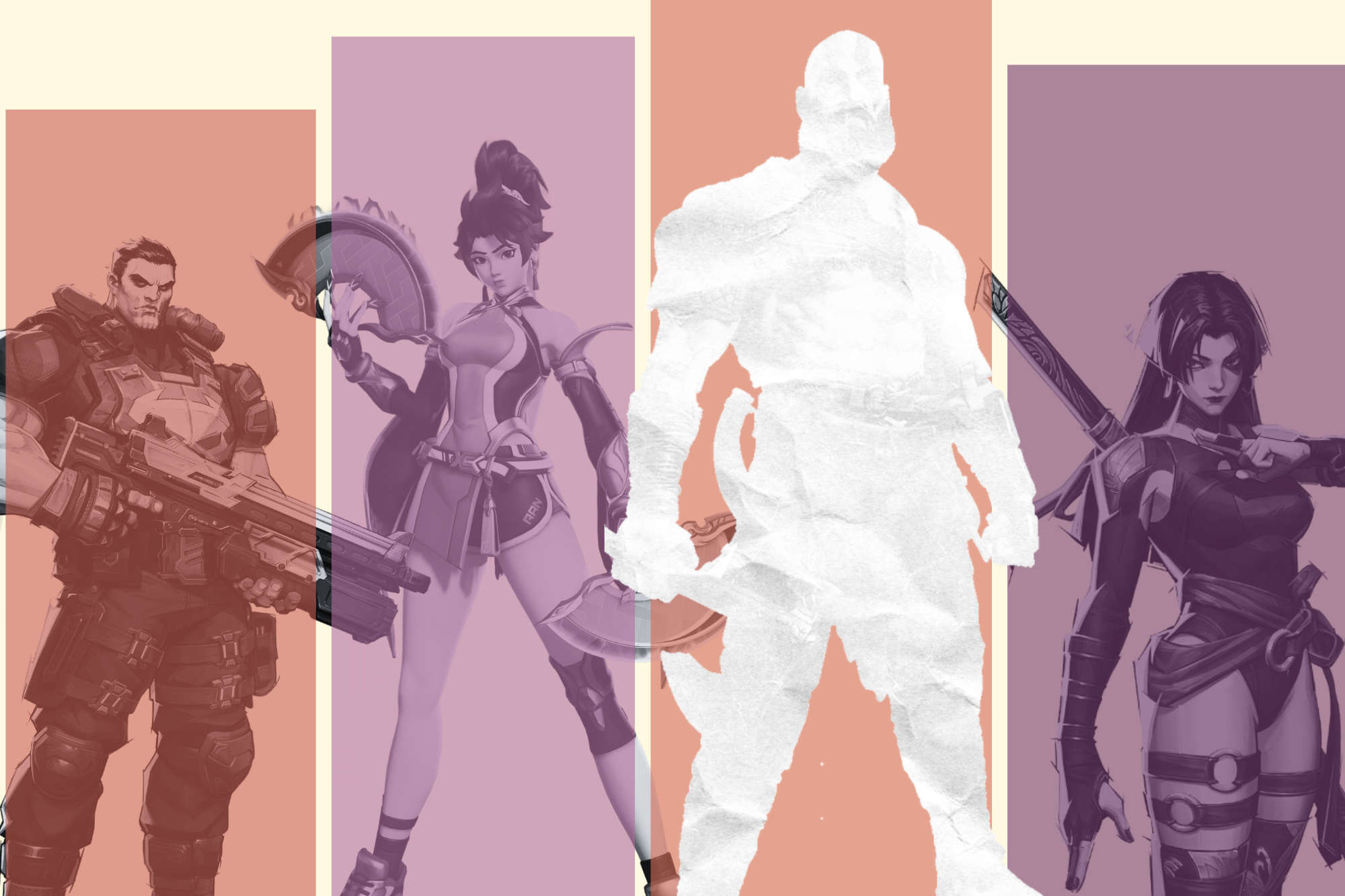
Gaming has become a quintessential pastime for high school students, with research revealing that approximately 85% of teenagers engage in gaming. This broad appeal spans a variety of genres, including compelling stories and competitive gameplay. Titles like “God of War” and “Apex Legends” showcase stunning character designs, but there’s an ongoing issue: many character rosters still struggle with representation, particularly when it comes to body types.

Widely popular games such as “Marvel Rivals,” “Mortal Kombat,” and “Grand Theft Auto” often feature hypermasculine male characters and oversexualized female characters. Yash Thapliyal, a former student and software engineer, notes that these trends can be harmful, especially in games like “Overwatch,” which initially garnered praise for its diverse character representations.
Thapliyal points out that while “Overwatch” began with a mixture of different races, cultures, and body types, many new characters now conform to a more conventional beauty standard, primarily featuring slim frames and faces. This development has sparked concern among players who feel that it undermines the game’s original ethos.

In light of this homogenization, Game Design Officer Zoya McDonnell highlights the commercial motives behind the design choices. The cosmetic market in these games is booming, with estimated revenues hitting $50 billion. As such, developers may opt for standardized assets to ensure financial viability, often at the expense of diversity.
McDonnell elaborates that the depiction of gender in games typically leans towards idealized attractiveness. This approach can be more disempowering for women, as their designs are often impractical, while male characters are portrayed as strong and capable.
With the growing prevalence of premade models, some developers may feel pressed to conform to trends rather than innovate. English teacher Jessica Kaufman notes that the predominance of male developers leads to character designs that cater primarily to the male gaze, perpetuating unrealistic beauty standards.

Kaufman asserts that society, through celebrity culture and exaggerated media, shapes our perceptions of beauty. The freedom of animation allows for even more extreme designs, leading to a disconnect between in-game appearances and real-life standards.
McDonnell’s research emphasizes the importance of representation. Players often gravitate towards characters they feel reflect their own experiences. During her studies, participants acknowledged a stronger connection with relatable characters, such as non-binary figures in “Apex Legends.” Conversely, overly sexualized characters tended to alienate players, highlighting the need for a balanced portrayal.
Thapliyal and Kaufman echo this sentiment, preferring characters that resonate with their realities—even in fantastical settings. Thapliyal cites games like “Celeste,” which successfully explore meaningful narratives with diverse character representations.

To foster a more inclusive gaming environment, Thapliyal suggests that competition among developers can spur creativity. He sees the rivalry between games like “Marvel Rivals” and “Overwatch 2” as an opportunity for innovative character designs.
Kaufman advocates for increased female protagonists and more nuanced representations in gaming. Although improvements in racial diversity and body positivity are apparent, gender representation still largely adheres to binary norms.
Yet, McDonnell warns against companies implementing diversity without genuinely valuing it, cautioning against forced representation that lacks depth. Healthy discussions around character design can encourage creativity without relying on outdated stereotypes.

Thapliyal believes that players should view character exaggerations in context, recognizing the difference between reality and fantasy. Engaging with these characters should be balanced and analytical, allowing for enjoyment without losing sight of authenticity.
Conclusion
As gaming continues to evolve, understanding the role of representation is crucial. A more inclusive approach to character design enriches the gaming experience for all players. By prioritizing diversity, creators can foster meaningful connections with their audiences while challenging harmful stereotypes. Let’s encourage developers to craft characters that reflect the richness of real life, and in doing so, enhance our gaming journeys.