Understanding Creatine: Beyond Bodybuilding
Creatine is often linked with the fitness community, but its advantages extend far beyond just bodybuilding.
As a naturally occurring compound in the body, creatine plays a crucial role in enhancing strength and promoting muscle growth, which is why it is highly regarded by fitness enthusiasts globally.
However, did you know creatine offers a myriad of benefits beyond aesthetics?
Research indicates that creatine, the most studied supplement worldwide, may help combat cognitive decline, alleviate fatigue symptoms (including those related to long COVID), and possibly lower the risk of certain cancers.
Impressive, isn’t it?
Produced naturally by the liver, kidneys, and pancreas, the body generates approximately 1 gram of creatine daily. It’s also present in meat and dairy products, as noted by the Mayo Clinic.

The most researched supplement, creatine, has benefits in and outside of the gym (Getty Stock Images)
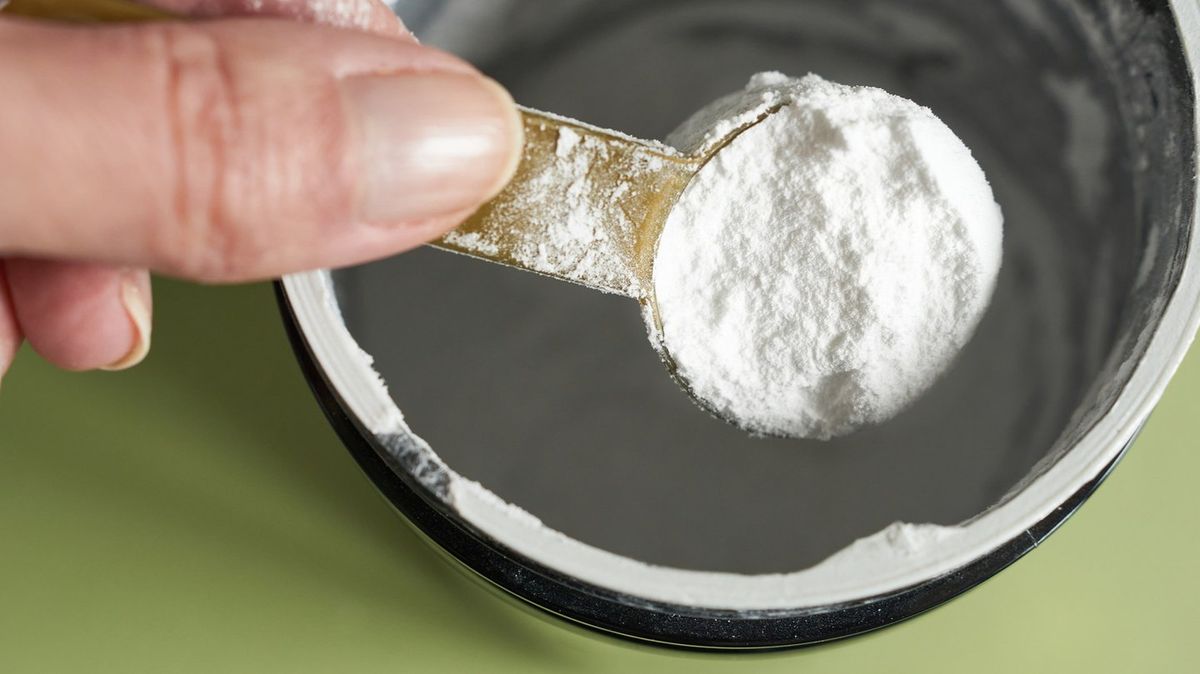
Some individuals also enhance their creatine intake by incorporating creatine monohydrate into their diets to fully leverage its benefits.
But what occurs if you suddenly stop taking it?
Effects of Ceasing Creatine Intake
Week One
The first noticeable change after stopping creatine is often a slight drop in weight, typically between 1 to 3 kg. This isn’t due to fat or muscle loss but rather to a reduction in water retention within the muscles.
Creatine contributes to a more ‘pumped’ appearance by absorbing excess water.
“Creatine increases the intracellular water in muscles, creating a fuller muscle appearance, which may add one to three pounds on the scale,” explained Avery Zenker, RD, a registered dietitian at Queen’s University, in an interview with Very Well Health.
When you discontinue the supplement, this effect will reverse.
Stopping the supplement will of course lead to changes for your body (Getty Stock Images)
Four to Six Weeks
Women’s Health indicates that creatine levels in muscles will revert to baseline within four to six weeks after discontinuation.
This decline in creatine could lead to reduced strength performance as the body readjusts its adenosine triphosphate (ATP) regeneration processes.
“As a result, some individuals may experience increased fatigue during intense workouts,” said Esra Soylucicek, a specialist in nutrition and functional medicine at Reborne Longevity.
You may also notice a decline in performance during compound lifts or sprinting. Given creatine’s cognitive benefits, some users might experience mild brain fog, though this is generally minimal for most people.
Long-Term Effects
Following four to six weeks, your creatine levels will have returned to their original state prior to supplementation.
“Your natural production of creatine normalizes, and water levels stabilize, leading you back to your original baseline,” Soylucicek explained.
Stopping creatine will decrease your weight, but also make you look less ‘pumped’ (Getty Stock Images)
Does Stopping Creatine Result in Muscle Loss?
Even though you might notice a less ‘pumped’ appearance and a decline in performance, stopping creatine will not lead to muscle atrophy.
As strength coach Meg Callagher explained to Men’s Health, “If I used creatine for six months and made gains, stopping wouldn’t erase those gains. It just means I won’t have that extra energy for future workouts.”


