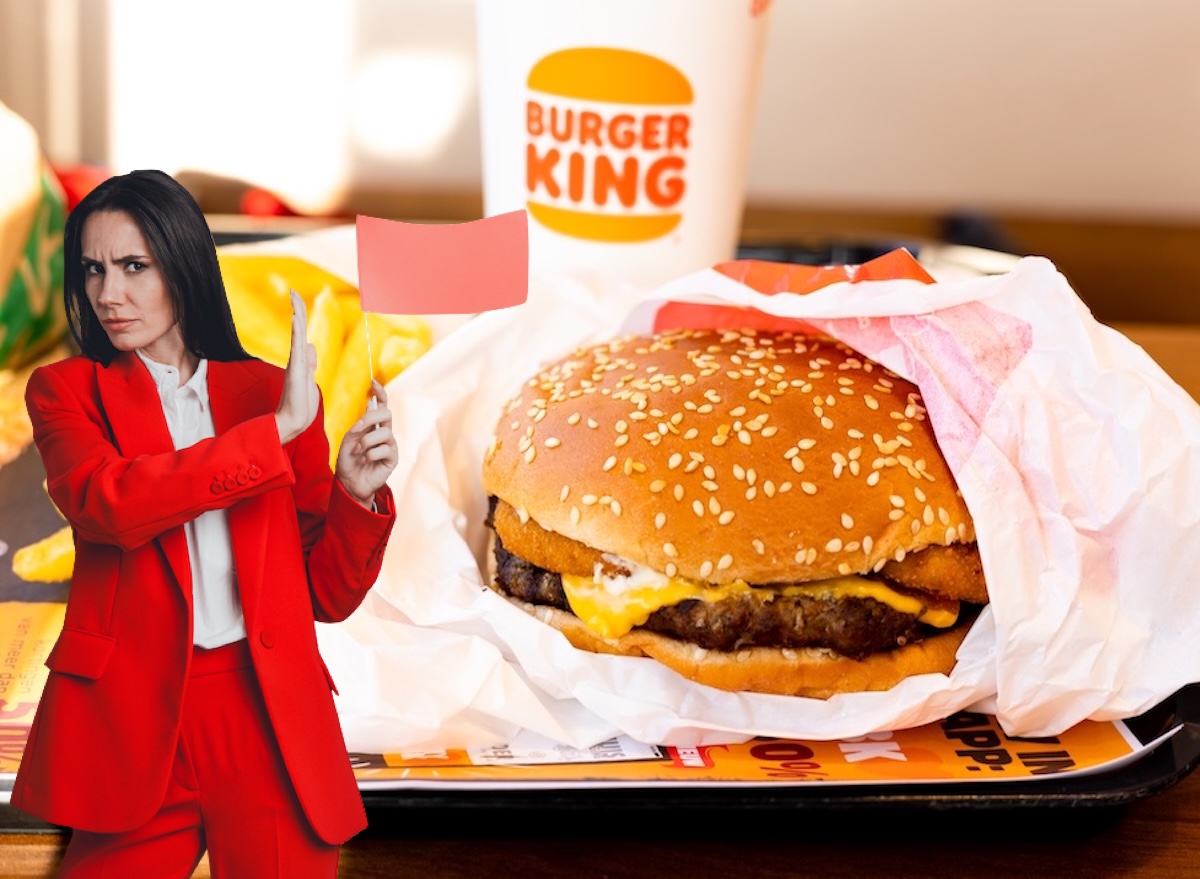
In today’s fast-paced world, fast food can be an appealing option. However, understanding the menu terminology is crucial for making healthier choices. Recognizing which items to avoid can significantly impact your diet. Dietitian Tara Collingwood shares insights on key terms that often indicate higher-calorie meals, helping you navigate fast-food menus with more awareness.
“Fast food menus can certainly be navigated in a healthier way,” states Tara Collingwood, MS, RDN, CSSD, LD/N, ACSM-CPT, a Board Certified Sports Dietitian and co-author of the Flat Belly Cookbook for Dummies. She emphasizes the importance of monitoring portion sizes, added sugars (particularly from beverages), and the frequency of fast-food consumption. Terms such as ‘crispy’ or ‘creamy’ often indicate higher-calorie items, though they’re not to be completely avoided. Below are seven significant terms on fast-food menus that should raise your awareness.
“Crispy” or “Crunchy”
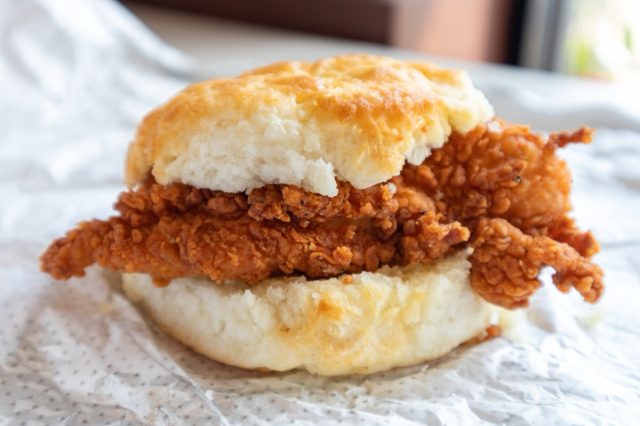
When you see “Crispy” or “Crunchy,” it often indicates deep-fried, trans-fat-laden items. Collingwood notes, “This usually means fried, increasing calories and fat content. Though many chains have eliminated artificial trans fats, these items often remain calorie-dense and easy to overconsume!”
“Creamy” Base Sauces
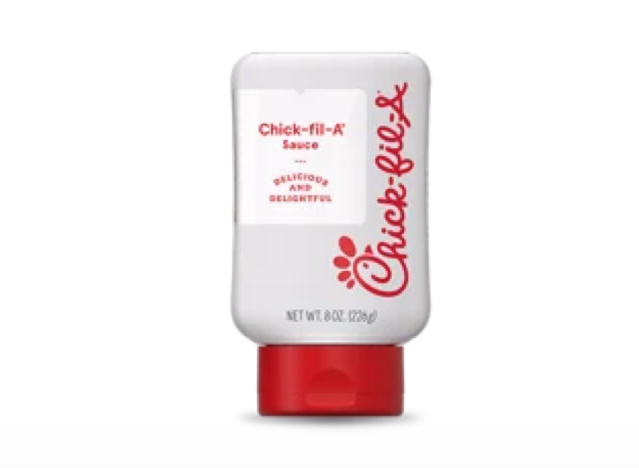
Creamy sauces, such as the popular Chick-fil-A sauce, often contain shelf-stable oils and sugars. “These sauces are usually high in fat and calories, typically derived from oils or mayonnaise,” explains Collingwood. “They can be calorie and sodium-heavy, so it’s important to be mindful of your portions.”
“Unlimited” Drink Refills
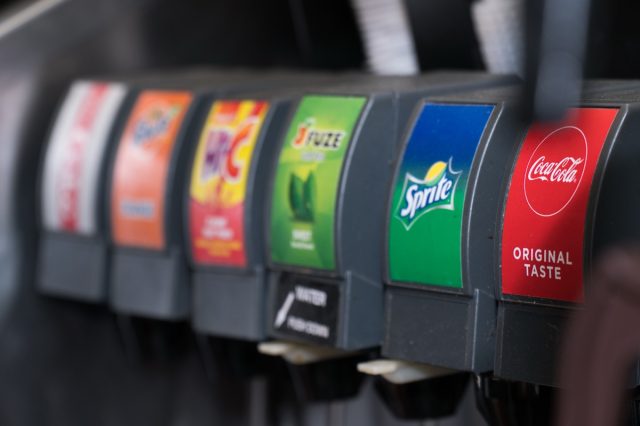
While the allure of unlimited drink refills is strong, it can lead to excessive sugar intake. Collingwood warns, “Refills encourage increased consumption of sugary drinks, which correlates with higher caloric intake and poor metabolic health.”
Vague “Signature” Blends
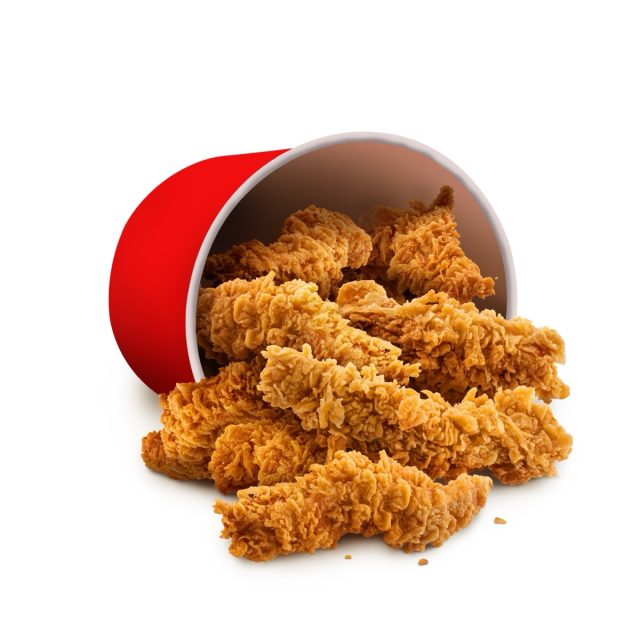
When encountering “signature” blends, be cautious as they might hide undesirable ingredients. Collingwood notes, “This phrase can be vague and doesn’t inherently indicate high sodium or MSG levels. While MSG is often misunderstood, major health organizations consider it safe.”
Double/Triple Meat Tiers
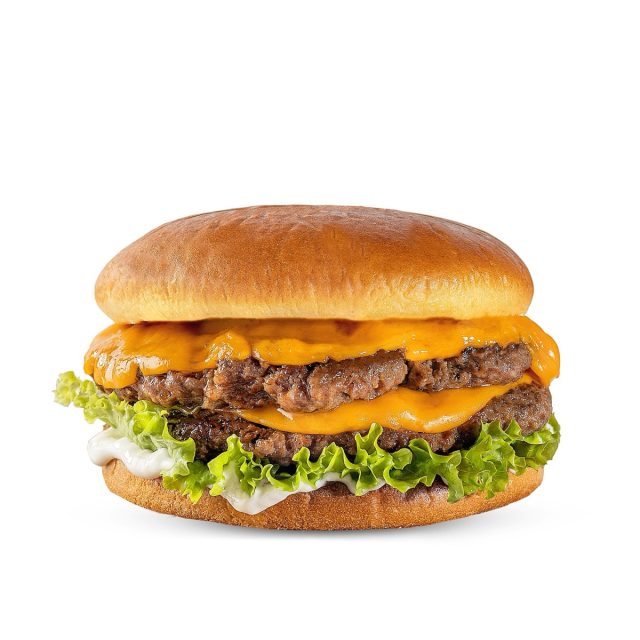
Be cautious when opting for double or triple meat servings, as they can increase your calorie, saturated fat, and sodium intake. “These portions can provide more protein than most people need at one meal, driving up your calorie consumption,” warns Collingwood.
Pre-Dressed Salad Bowls
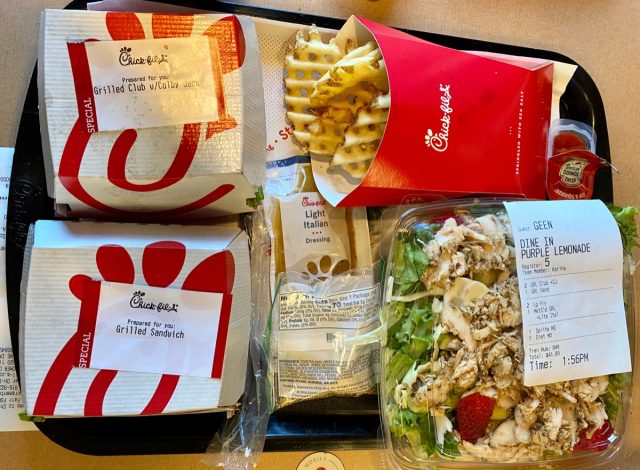
It’s advisable to order salad dressings on the side, as they can drown otherwise healthy greens in unhealthy fats. Collingwood advises, “Dressings can add excessive calories, fat, and sodium to otherwise nutrient-rich salads. It’s all about preparation.”
“Value” Bundles
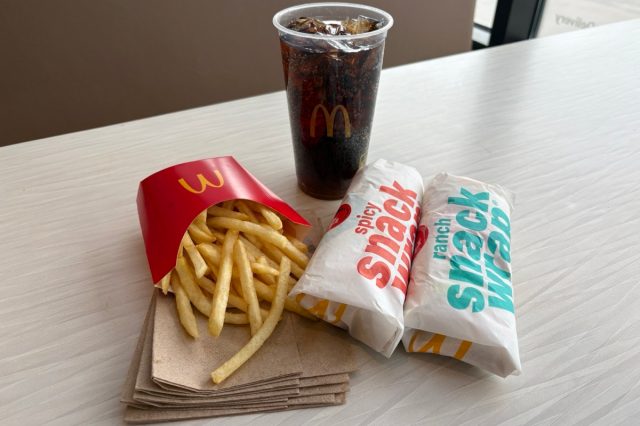
While ordering “value” bundles or extra value meals may appear to be economical, it can lead to larger portions and increased calorie counts. Collingwood cautions, “These options can encourage oversizing your meal and ultimately lead to excess calorie intake.”
Leah Groth
Leah Groth is a seasoned shopping editor and journalist for Best Life and Eat This, Not That!, delivering readers the latest finds, trends, and deals weekly. Read more about Leah