Russia Sells Reserve Gold to Address Ukraine War Deficit
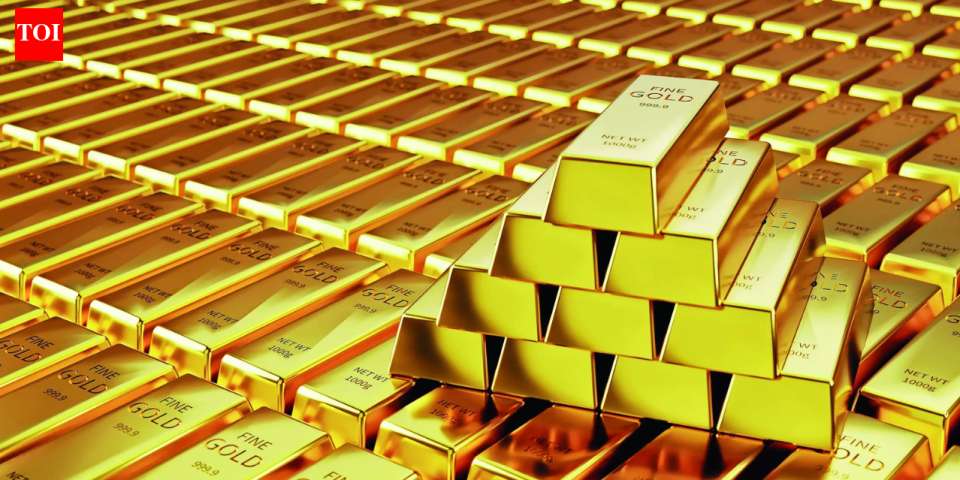
In a significant move, Russia has begun selling its reserve gold for the first time in a quarter of a century. This decision comes as the nation seeks to cover deficits arising from ongoing military operations in Ukraine.
The Decision to Liquidate Gold Assets
According to reports, this action is part of Russia’s broader strategy to mitigate financial strains caused by the protracted conflict. Over the last 25 years, Russia has maintained a robust gold reserve, largely seen as a stabilizing asset. However, the current economic pressures have prompted a reevaluation of these reserves.
Implications for the Economy
The sale of gold reserves highlights the challenges facing Russia’s economy amidst international sanctions and military expenditures. Financial analysts suggest that this move may help temporarily ease budgetary constraints but could also indicate deeper economic vulnerabilities.
International Reactions
The global response to Russia’s gold sales has been mixed. While some countries view this as a sign of desperation, others see it as a calculated maneuver to sustain military funding. Economic experts are closely monitoring the situation to assess its long-term impacts on both Russia and the international gold market.
The Future: What Lies Ahead
As the conflict continues, it remains uncertain how extensively Russia will rely on its gold reserves. The effectiveness of this strategy in alleviating financial pressure will likely influence the country’s war tactics and economic policies moving forward.
In summary, Russia’s decision to sell its gold reserves is a significant development in the context of its ongoing military operations in Ukraine. While this may provide temporary relief for budgetary deficits, the long-term effects on the nation’s economy and international standing remain to be seen.