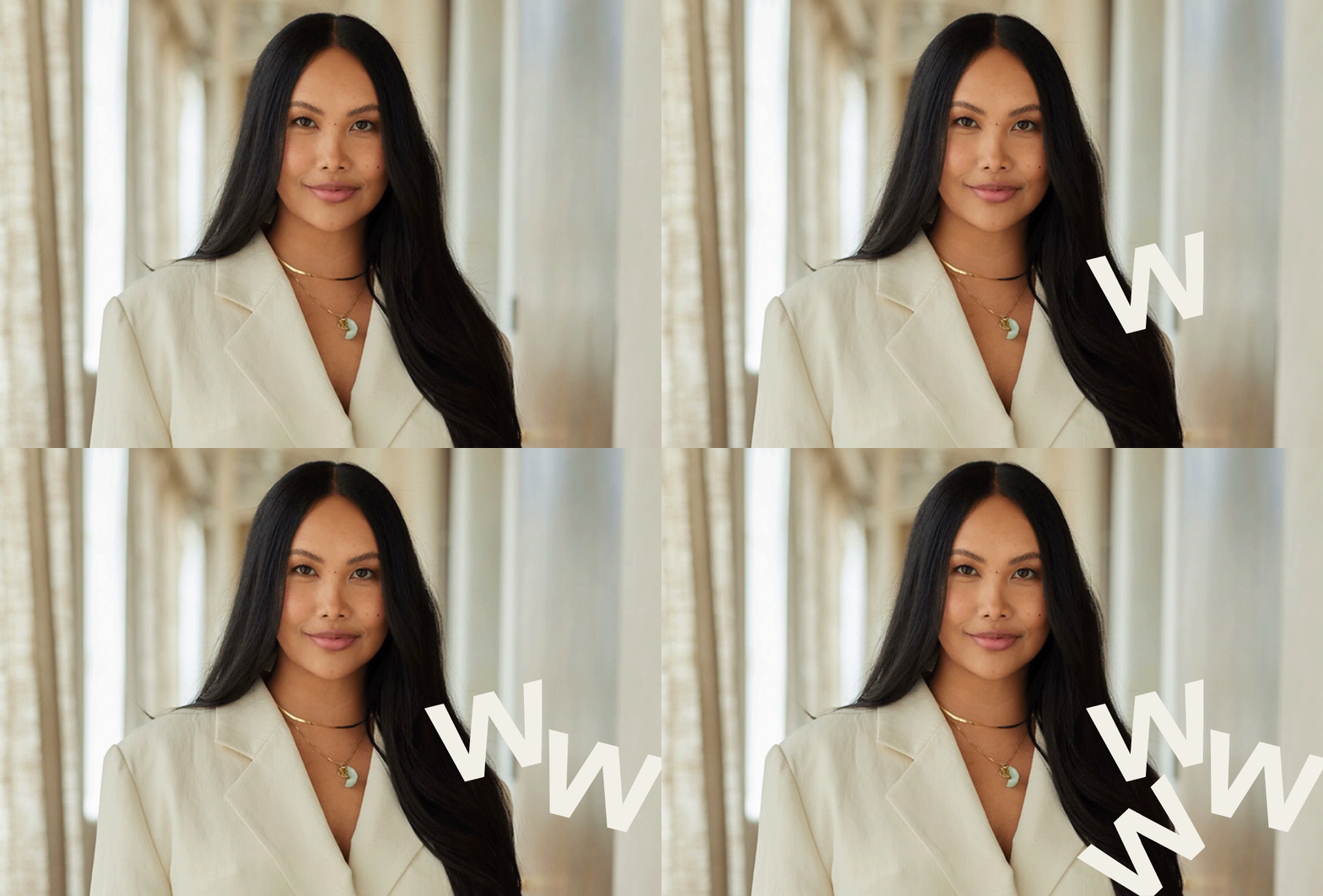
Welcome to The Who What Wear Podcast. This podcast serves as a gateway to the innovative designers, stylists, beauty professionals, editors, and influencers who are defining the fashion and beauty landscape. Be sure to subscribe to The Who What Wear Podcast on Apple Podcasts and Spotify.
In the latest episode, celebrity medical aesthetic provider Vanessa Lee shares her journey into the beauty industry. Starting her career as a nurse, Lee had initially dreamed of pursuing art. Despite her aspirations, she was encouraged by her Filipino American mother to follow a nursing path instead. “I was determined to focus on art on the side and eventually shift my career toward writing and creativity,” Lee recalls. After spending a decade as a cosmetic nurse, she founded her beauty concept bar, The Things We Do, launched in 2018.
In this episode, Lee discusses her journey in the beauty world, her favorite treatments for the year, and more. For highlights from our interview, scroll down.
Can you tell us how you first got involved in beauty and skincare, and what your specific expertise is?
I launched The Things We Do in 2018, but prior to that, I had worked as a cosmetic or aesthetic nurse injector for ten years. Interestingly, nursing was never my first choice; my mother insisted I pursue it despite my desire to study art. I decided to embrace my nursing education, believing I could still engage in art on the side and later transition fully into writing and creative work.
Starting out in a plastic surgery office, I focused on the minimally invasive procedures that were beginning to emerge. This was back in 2008-2009, during a time when the industry was still evolving.
The field of minimally invasive aesthetics is relatively new, spanning only about 20 to 25 years. Having been a part of it for about 17 years, I’ve witnessed its transformation firsthand; it was an exciting time.
Initially, I entered a role where I was told, “We can pay you minimally because you lack experience, but we’ll teach you plenty.” While this offered invaluable knowledge, some aspects were also quite daunting.
Once I gained some confidence, I decided I had to set boundaries to ensure that I remained true to my commitment as a patient advocate.
Could you discuss some of the newer treatment options you’re enthusiastic about, especially those that might not yet be widely recognized?
When we opened in 2018, one of our most popular treatments was PRFM, or platelet-rich fibrin matrix. This next-generation growth factor treatment slightly thickens skin while rejuvenating it, without unwanted fullness or altering facial contours. Our focus is purely on skin health.
Looking ahead to 2026, are there any treatments or skincare trends you anticipate gaining popularity?
We’re currently watching trends rising from East Asia, such as the growing influence of Olive Young and the surge of people visiting Korea for their advanced science and innovations in skincare. While the U.S. has regulations to ensure safety, the industry here tends to lag behind politically, which prompts us to seek inspiration from Eastern practices.
Some ingredients I find particularly exciting include volufiline, which is plant-derived and encourages adipose proliferation. This means the fat cells in a targeted area become more robust in response to volufiline topicals. Presently, only a few U.S. companies incorporate volufiline, but I expect to see more adopt it in the coming year.
I also anticipate a rise in prebiotics and probiotics in skincare. For too long, we’ve been overly focused on chemically stripping the skin. Ingredients like alpha glucan oligosaccharides serve as prebiotics that foster healthy flora and bacteria, while simultaneously managing harmful bacteria. These affordable and accessible solutions can significantly protect the skin’s barrier.
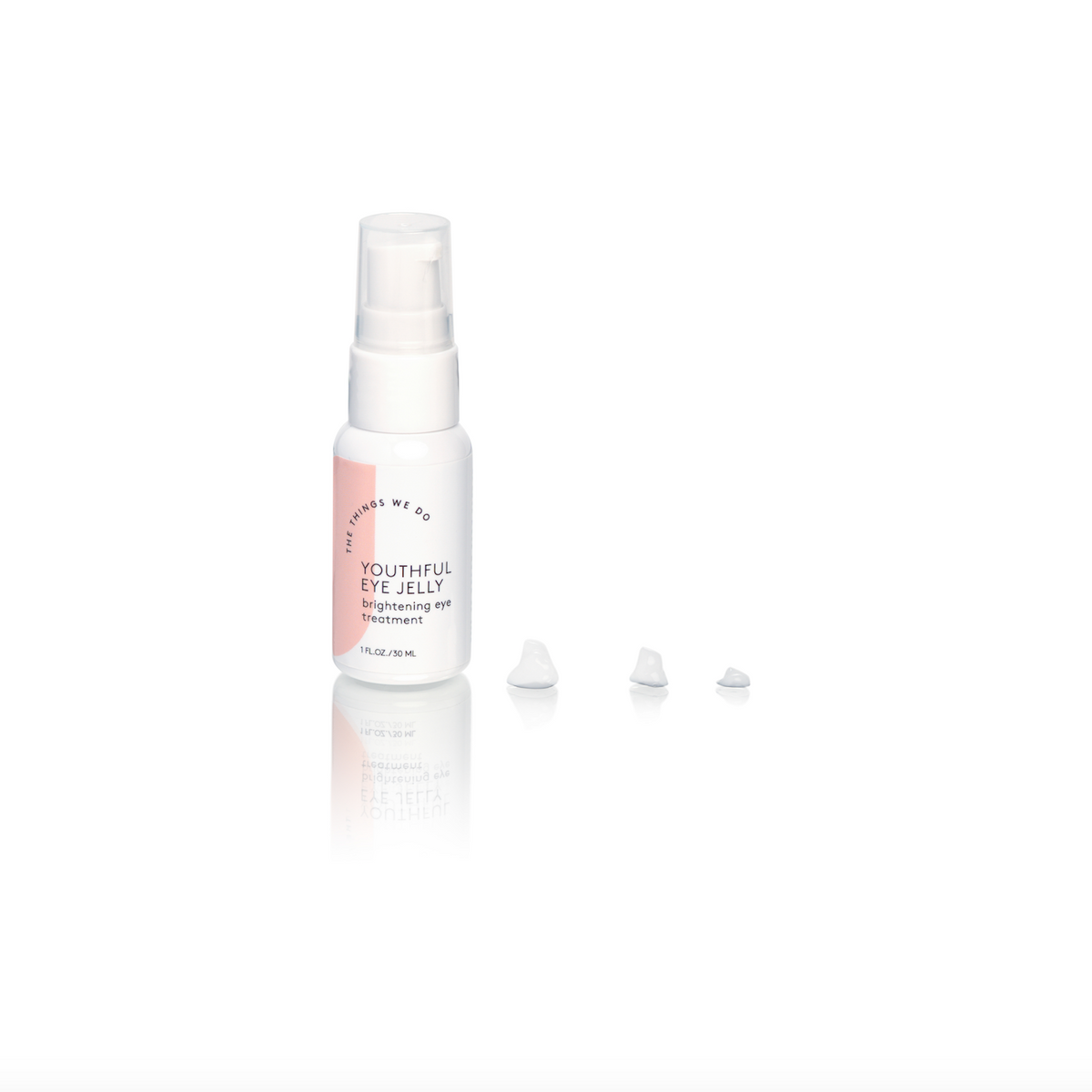
The Things We Do Beauty
Youthful Eye Jelly

The Things We Do Beauty
Do Over
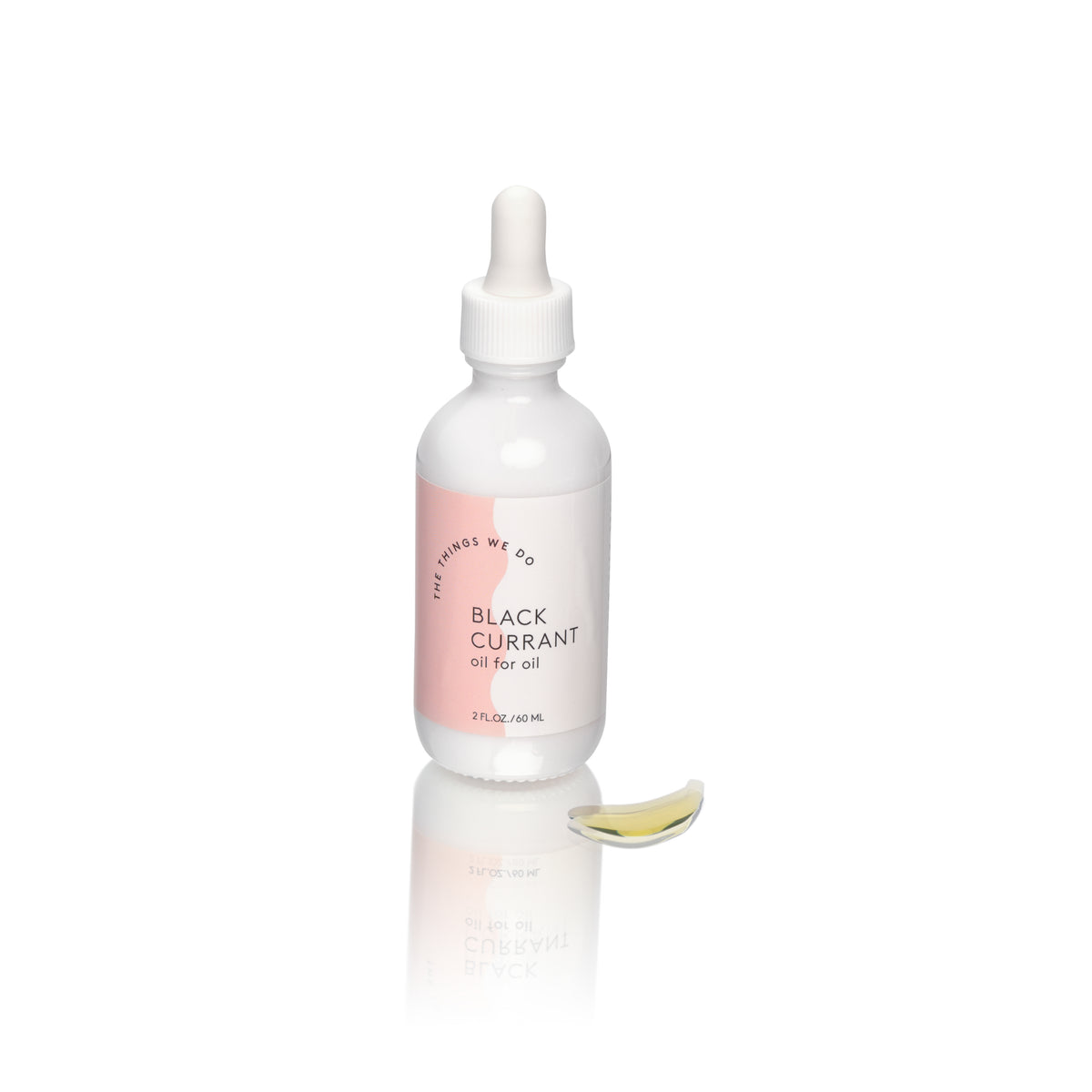
The Things We Do Beauty
Black Currant Oil
This interview has been edited and condensed for clarity.
Discover More: