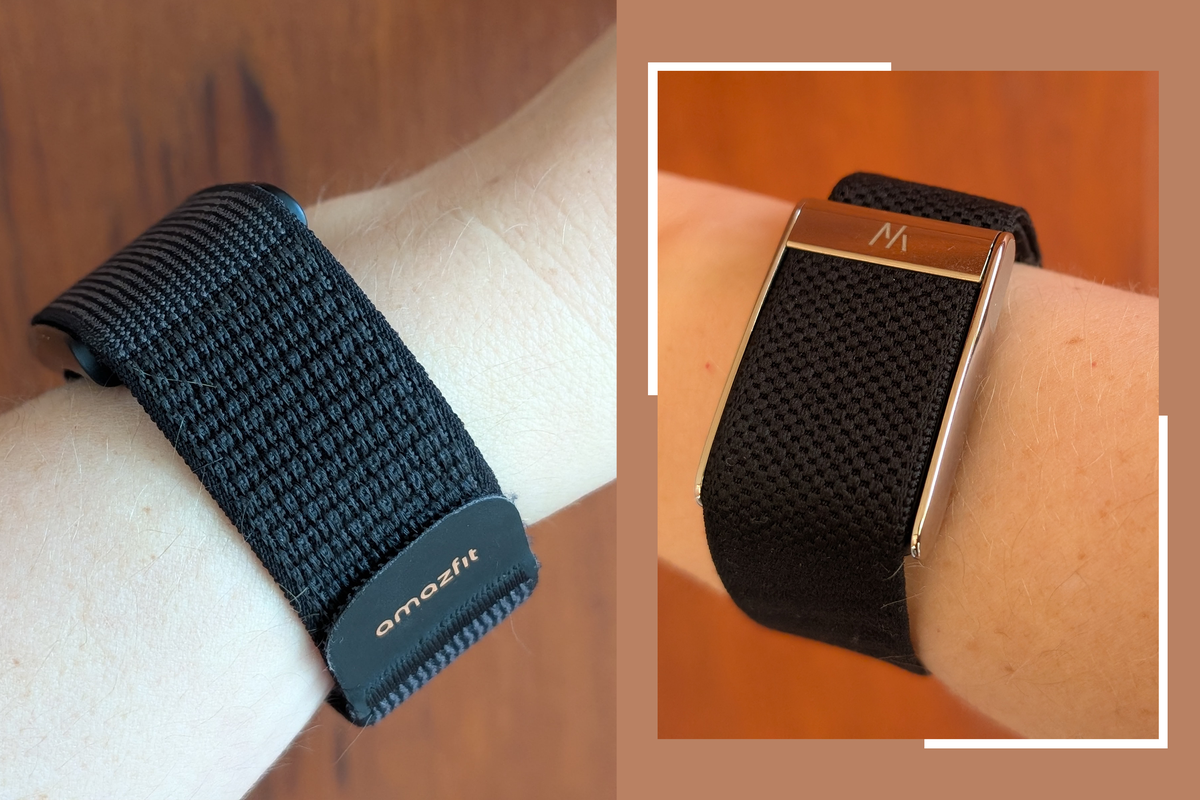
Whoop vs. Amazfit Helio Strap: A Comprehensive Review of Screenless Fitness Trackers
In the ever-evolving world of fitness technology, advancements aim to make tracking your health simpler and more effective. One of the notable innovations is the screenless fitness tracker, a device that offers insight into your body’s readiness to train rather than just logging your workouts. In this article, we’ll compare two popular options: the Whoop and the Amazfit Helio Strap. We’ll explore their features, usability, and insights to help you choose the right one for your fitness journey.
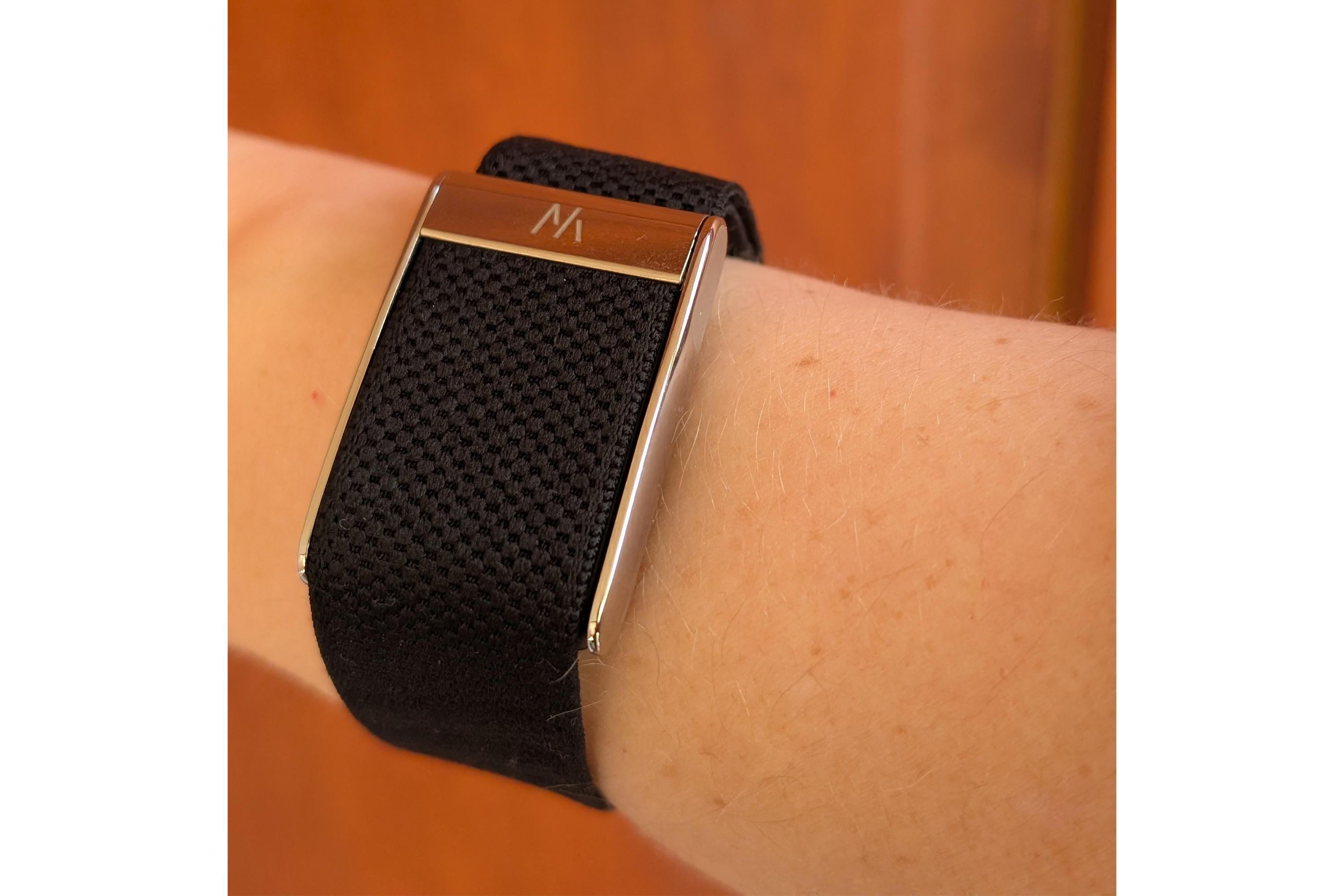
The Whoop strap feels weightless on the wrist (Jennifer Heimlich/The Independent)
Understanding the Basics of Each Tracker
Whoop made its debut in 2015, originally designed for professional athletes. It focuses on metrics that assess how well your body is recovering from stress—whether from workouts or daily life activities. Through important biometrics like heart rate variability, Whoop offers personalized guidance on the intensity of your training.
On the other hand, Amazfit Helio Strap, released recently, provides similar features but at a more budget-friendly price point. Retailing at $99 with optional subscription upgrades, it presents an attractive alternative for fitness enthusiasts who might find Whoop’s price tag of $149 to $359 per year prohibitive.
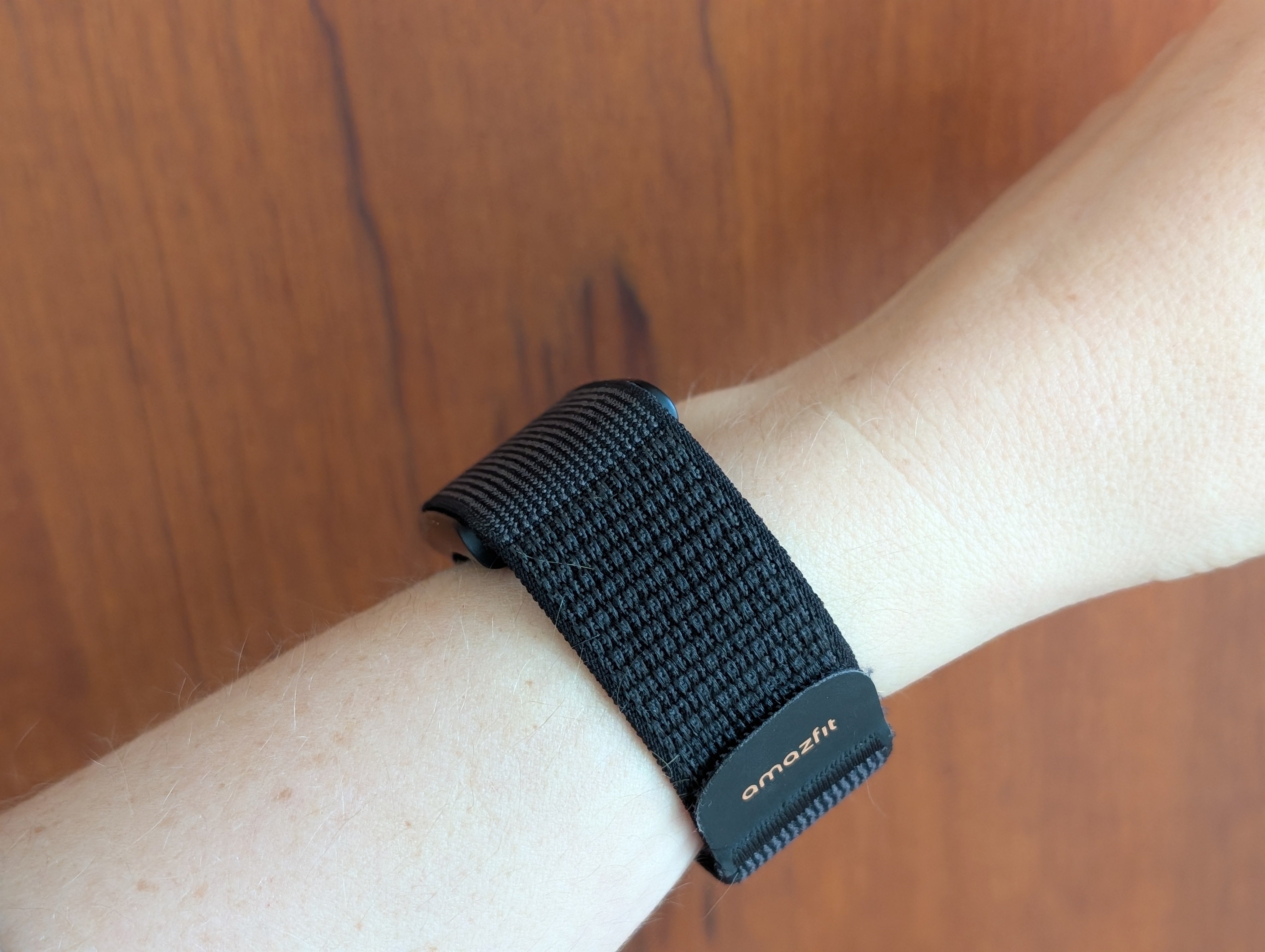
The helio strap caught on my clothes (Jennifer Heimlich/The Independent)
Methodology for Comparison
As a certified running coach and a health writer with extensive experience testing fitness trackers, I conducted a direct comparison by wearing the Whoop and the Amazfit Helio Strap simultaneously over a two-week period. This involved tracking metrics during daily activities, workouts, and even while sleeping, while also evaluating comfort, usability, and data accuracy against an Oura ring for additional context.
Design Differences
Both the Whoop and Amazfit Helio Strap are designed to be lightweight and comfortable, allowing for all-day wear. The Whoop band is noted for its slim profile, making it almost imperceptible during use. Conversely, the Helio Strap’s Velcro fastening raised some concerns, as it tended to catch on clothing. Despite this, they both offer a sleek design suitable for various settings.
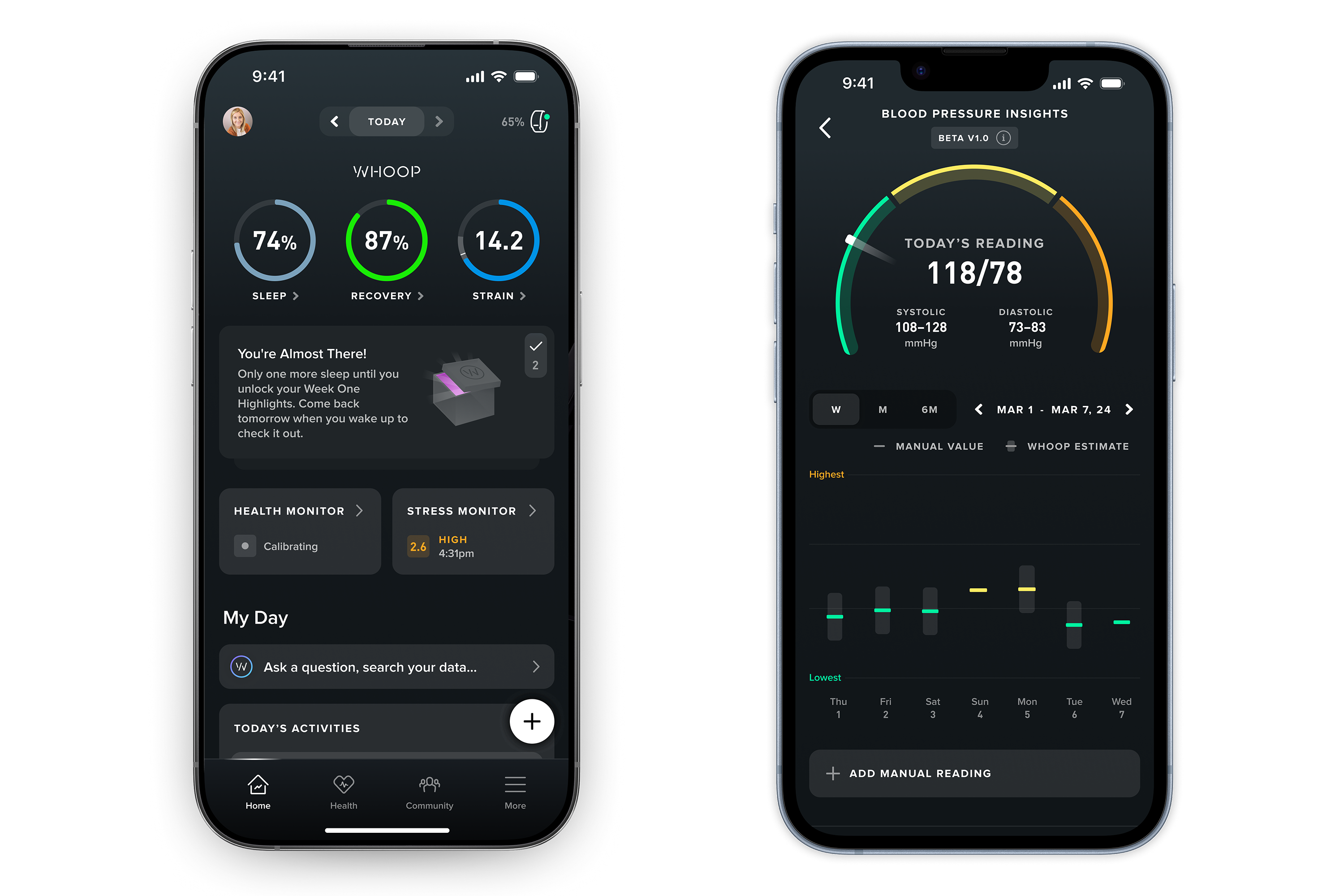
The Whoop interface is easy to use (Whoop)
Data Insights Paramount to Your Progress
The true value of a fitness tracker lies in the data it provides. Both devices monitor sleep patterns, activity levels, and recovery. However, Whoop delivers a more extensive array of data analytics, including sleep debt and exercise intensity across different heart rate zones. These additional insights can help optimize your training regimen.
The Helio Strap shines in its ability to update your daily “biocharge” score, providing real-time feedback on your performance and recovery throughout the day, including insights on short naps and workout strain. While Whoop gives a consolidated recovery score, the continuous monitoring can be particularly helpful for those keen on fine-tuning their tactics.
Accuracy and Reliability
When evaluating data accuracy, Whoop has demonstrated consistent results in various studies, showcasing nearly perfect heart rate and HRV readings. The Helio Strap, while reliable, showed slight discrepancies in activity metrics, which can impact the overall insights if not monitored closely.
User Experience
Navigating the apps of both devices offers a unique experience. Whoop’s interface provides clear, actionable insights, enabling users to grasp complex data without feeling overwhelmed. In contrast, some users may find the Amazfit app less intuitive, as it requires more interpretation of its data.
Which Tracker is Right for You?
If you’re seeking basic metrics with a one-time purchase, the Amazfit Helio Strap is an excellent choice. It provides essential data at a fraction of the cost. Alternatively, if your budget permits and you value in-depth analytics, the Whoop delivers far-reaching insights that can significantly enhance your training regimen.
Both devices excel in their own right, but knowing what you need from a fitness tracker will guide you in choosing the one that best aligns with your fitness goals.
Conclusion
When it comes to fitness tracking, technology has advanced significantly, providing us with tools to maximize performance and recovery. Whether you opt for the comprehensive insights of Whoop or the cost-effective Amazfit Helio Strap, you have the opportunity to tailor your fitness experience to better understand and improve your health. Always focus on the features that align with your specific needs, and remember that consistent tracking is key to achieving your fitness goals.