In 2021, virtually every action you take leaves behind a digital footprint, thanks to the close collaboration between major technology firms and government entities. This widespread surveillance raises serious concerns about personal privacy.
However, there’s still one effective way to maintain a degree of economic anonymity: cash transactions.
When you use cash, authorities cannot track your purchases, meaning they are unaware if the money you withdrew from an ATM ends up in your savings, groceries, or even precious metals. This lack of oversight is something the authorities find troubling.
Central planners are eager to know what you buy, where, when, and how much you spend. Introducing a digital currency could enable them to gain complete insight into every transaction, empowering them to control your spending habits.
For example, if a purchase does not fit within the parameters set by a digital currency’s surveillance algorithms, it could be rejected immediately. Should a transaction conflict with a designated social credit score, it simply wouldn’t go through. Overweight? Access to those donuts is denied.
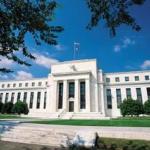
It is important to clarify that digital dollars are not the same as cryptocurrencies or decentralized finance options. They are intended to be issued by the Federal Reserve, allowing for comprehensive oversight of all your financial activities.
Absolute Control
The possibilities for regulating how you spend your money with digital dollars are limitless. For instance, the authorities could impose monthly spending caps.
You may have substantial savings, but if you exceed your monthly limit, you’re unable to make further purchases until the next month—no exceptions.
Additionally, your digital funds could have expiration dates. You would have to utilize them by a specific deadline or risk losing access to them altogether.
The conditions for spending digital dollars would be dictated by fabricated economic models created by the planners. What type of purchasing behavior do they deem necessary to regulate the economy effectively?
Is economic growth stagnating? Then they would likely shorten the expiry period of digital dollars. If the economy is booming, monthly spending limits could be tightened.
What about spending across state lines or in nearby counties? Would regulatory bodies allow it? Would violations incur penalties?
Initially, these scenarios seem far-fetched. Yet, when considering the intentions of central planners and those advocating for such systems, their implementation becomes alarmingly plausible.
The linchpin for totalitarian governance lies in adopting Central Bank Digital Currencies (CBDCs). With these currencies poised to replace cash, the justification will likely be framed as a measure for your safety—curtailing illegal transactions or managing public health risks.
Central Bank Visions of Absolute Control
The idea of a CBDC, like a digital dollar from the Federal Reserve, has been discussed for several years. Recently, John Titus of BestEvidence produced a video titled Larry & Carstens’ Excellent Pandemic, which elaborates on the implications of such developments in less than an hour and at no cost.
Are you familiar with Agustín Carstens, the General Manager of the Bank for International Settlements? He has made headlines for discussing how central banks would maintain complete control over retail CBDC transactions, including the authority to block specific purchases. Carstens stated:
“There is a huge difference [between CBDC and cash]. For example, with cash we don’t know who’s using a 100-dollar bill today. A key difference with the CBDC is the central bank will have absolute control under rules and regulations that will determine the use of that expression of central bank liability, and we will have the technology to enforce that.”
It is evident that planners desire unquestioned control over your financial decisions, effectively dictating how you manage your property.
Remember, money is property. It embodies your time, sacrifices, skills, and the risks you have taken to earn and save it. The central planners wish to dictate how you can enjoy and utilize your hard-earned resources.
Moreover, this desire for oversight is not confined to planners alone; elites in the business world share similar ambitions. Larry Fink, CEO of BlackRock, recognizes the advantages of such centralized control. He remarked:
“Markets don’t like uncertainty. Markets like totalitarian governments where you have an understanding of what’s out there.”
Total control may serve the interests of corporate elites and cronies, but it spells disaster for everyday individuals.
Sadly, we are just one crisis—real or perceived—away from implementing CBDCs and eradicating the remnants of economic privacy.
The ambitions of central bankers and elites will persist until their visions of absolute control are fulfilled.
Sincerely,
MN Gordon
for Economic Prism
Return from Central Bank Visions of Absolute Control to Economic Prism