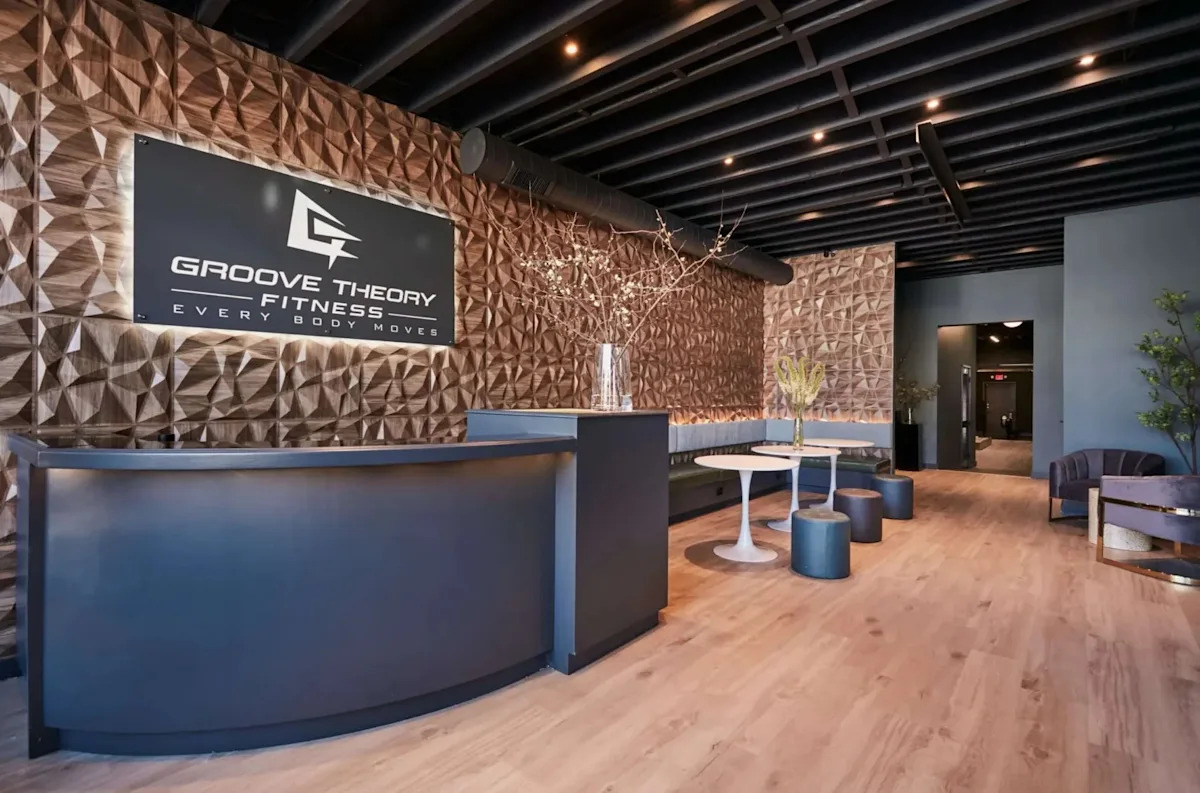
Across the nation, Black-owned fitness studios are redefining wellness in local communities. These spaces emphasize accessibility, culture, and connection over the rigidity of traditional workout routines. In New Jersey, for example, Groove Theory Fitness exemplifies this movement by creating a welcoming environment where community and exercise intertwine.
Founded by Keldrick Wright, Groove Theory Fitness has rapidly become a local hub for individuals seeking an inviting space to remain active. The studio features a variety of classes, including yoga, Pilates, strength training, and dance, while its underlying philosophy sets it apart from conventional gyms.
A Vision Rooted in Community
Wright’s journey began not with the intention of creating a fitness business but with a desire to engage his community. Originating from Georgia and a graduate of Howard University, he moved to New Jersey and found fulfillment working with adults with intellectual and developmental disabilities. Previously, when the studio operated under different ownership, Wright sublet it for recreational activities for his program participants, such as karaoke nights and social events.
When the previous owner unexpectedly passed away, Wright saw an opportunity to take over the space. What started as a means to provide ongoing programming for his clients blossomed into a larger vision for community wellness.
“I initially started this as a space for my special needs clients,” said Wright. Yet, through renovations and reimagining the studio’s potential, he recognized that it could benefit a broader audience.
Even without a formal background in fitness, Wright’s ability to create welcoming environments shone through.
“I’ve never owned a studio and I’m not a fitness enthusiast,” Wright admitted. “But I have a talent for crafting spaces that support community engagement.”
This philosophy informed Groove Theory’s programming, focusing more on enjoyment and variety than strict metrics or intensive bootcamp-style workouts. Having faced personal struggles with weight, Wright aspired to create a space that felt distinct from traditional gyms.
Rethinking the Workout Experience
Wright noted that conventional gyms often confine people to a specific workout style. Conversely, Groove Theory embraces diversity, encouraging attendees to switch it up; some days call for strength training, while others lend themselves to yoga or dance classes that promote movement.
At Groove Theory, the focus lies on participation over perfection. Wright envisions the studio as a place where individuals can come, move their bodies, and relish the experience without any pressure to perform.
This ethos is particularly evident in the studio’s popular hip-hop step classes. These dynamic workouts blend choreographed movements performed on platforms, combining rhythm with cardiovascular activity. Though step aerobics surged in popularity in the late 1980s and 1990s, it remains a cultural cornerstone in many Black fitness communities—especially in the South.
In the Northeast, however, it can be challenging to find classes celebrating this rich tradition.
Taking a hip-hop step class at Groove Theory evokes a rediscovery of culture. The class fuses music, choreography, and cardio into a lively hour. Participants navigate sequences layered over an upbeat hip-hop soundtrack, guided by an instructor who introduces increasingly intricate combinations.
The workout is intense enough to leave everyone glistening with sweat, yet the atmosphere remains enjoyable and supportive. Participants uplift one another as they strive to stay in sync.
This focus on collective energy exemplifies Groove Theory’s departure from traditional gyms, emphasizing community over individual achievement.
Building a Community
Although Wright didn’t consciously target a specific demographic, the studio has developed a strong following among local women. Many women balancing careers, family, and fitness find solace in this space. Whether attending with friends or discovering the studio on their own, they often return for the sense of belonging it offers.
Estimates show that around 90-95% of Groove Theory’s patrons are women, though men also participate in strength training and circuit classes throughout the week.
Beyond regular classes, the studio has become a versatile space for community events. It hosts comedy nights, LGBTQ-centered gatherings, and fundraisers, partnering with local organizations like the Newark LGBTQ Community Center to bring residents together.
Meanwhile, Wright’s foundational mission remains alive, as adults from his special needs program continue to enjoy sessions at the studio, filling it with joy and laughter.
Movement as a Wellness Journey
Wright’s vision allows the space to evolve organically, shaped by community needs and feedback.
“I believe in creating a space and allowing it to be a canvas,” he reflected. “We produce whatever the community brings to it.”
Groove Theory Fitness mirrors a broader transformation in how wellness is perceived within Black communities. Fitness is increasingly recognized not just as an individual pursuit, but as a collective journey rooted in culture, accessibility, and connection.
Wright emphasizes that a journey towards better health doesn’t need to start with demanding routines or intimidating settings. Often, it begins with simply showing up and exploring new opportunities.
“Just get to groove,” he advised. “You have to find your groove!”
For anyone seeking a fresh take on fitness, Groove Theory Fitness stands as a testament to the power of community, culture, and connection—reminding us that wellness can be both enjoyable and transformative.
The post Groove Theory Fitness Is Turning Workouts Into Community appeared first on Blavity.