In the wake of recent legislative changes, many Americans are increasingly concerned about the future of their food assistance benefits. The new reconciliation bill, signed into law by President Trump, has sparked significant discussions about the Supplemental Nutrition Assistance Program (SNAP) and its eligibility for various food items. This article outlines the current landscape of SNAP benefits and potential changes on the horizon.
The SNAP Benefits Landscape
The reconciliation bill signed into law by President Trump on July 4, 2025—known as the “Big Beautiful Bill”—does not alter the grocery items eligible for purchase with SNAP benefits or prohibit the purchase of “junk food” like soda, chips, or candy using these benefits.
However, the new law introduces significant changes to SNAP that may impact millions of Americans depending on food assistance, including revised work requirements for eligibility.
Moreover, independent of this new legislation, some states are taking steps to limit the types of food SNAP recipients can purchase, potentially removing items such as soda and energy drinks from approved lists.
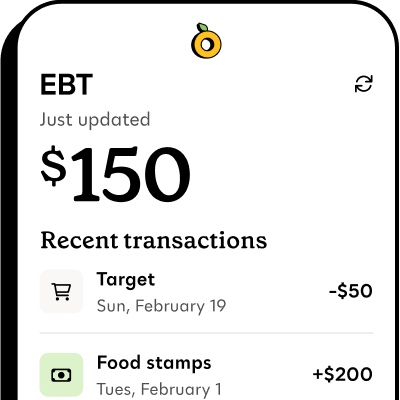
Propel is the #1-rated EBT balance checking app
The new legislation does not introduce additional restrictions on the foods eligible for purchase with SNAP benefits. Recipients can still use SNAP to acquire most groceries, including fruits, vegetables, meat, poultry, fish, dairy products, bread, cereal, beans and grains, snacks, and non-alcoholic beverages like water and juice.
The items that were previously ineligible remain so under the new regulations. SNAP benefits cannot be used for the following:
- Hot prepared foods that are ready to eat, such as rotisserie chicken or pizza slices
- Foods intended for consumption on-site, such as items from a restaurant within a grocery store
- Medications and supplements like vitamins and cold relief products
- Household products such as toilet paper and diapers
- Personal care products including shampoo and soap
- Alcohol and tobacco items
- Live animals (with exceptions for shellfish, fish removed from water, and animals prepared for pickup)
- Pet food and treats
While the federal bill did not modify the eligible food items for SNAP, numerous states are proactively implementing their own restrictions on certain purchases.
As of March 2026, the federal government has authorized requests from 22 states to prohibit specific foods under SNAP:
- Arkansas: Banned soda, juice drinks with less than 50% natural juice, unhealthy beverages, and candy.
- Colorado: Will ban soft drinks.
- Florida: Plans to ban soda, energy drinks, candy, and prepared desserts.
- Hawaii: Will ban soft drinks.
- Idaho: Banned soda and candy.
- Indiana: Banned soft drinks and candy.
- Iowa: Implemented a ban on most “taxable” food items, including candy and soda.
- Kansas: Will prohibit candy and soda.
- Louisiana: Banned soft drinks, energy drinks, and candy.
- Missouri: Is banning candy and processed desserts alongside “unhealthy drinks.”
- Nebraska: Banned soda and energy drinks.
- Nevada: Will restrict candy and sugar-sweetened beverages.
- North Dakota: Is banning candy and specific energy drinks.
- Ohio: Will prohibit sugar-sweetened beverages.
- Oklahoma: Banned candy and soft drinks.
- South Carolina: Will restrict candy, energy drinks, soft drinks, and sweetened beverages.
- Tennessee: Is banning processed foods including candy and sugary drinks.
- Texas: Banned sweetened drinks and candy.
- Utah: Banned soft drinks.
- Virginia: Banned sweetened beverages.
- West Virginia: Banned soda and other carbonated sweetened drinks.
- Wyoming: Will prohibit sweetened, carbonated beverages.
The implementation of these restrictions varies by state, with enforcement dates beginning in 2026 and extending through 2028. In total, 22 states have been approved to impose limitations on specific food purchases using SNAP benefits, impacting around 16 million Americans who rely on this program. Additionally, five more states are considering bills to further expand these restrictions.
Legislators in Arizona, Michigan, Mississippi, Montana, and Georgia are currently proposing their own SNAP amendments aimed at restricting ” junk food.”
Key Takeaways
- The “Big Beautiful Bill” does not restrict eligible food items under SNAP.
- Updated work requirements may affect SNAP eligibility for some recipients.
- 22 states have received approval to ban certain food items under SNAP.
- States may impose unique restrictions on food purchases, impacting millions.
- Implementation timelines for these restrictions vary among states.
FAQ
What foods can I still buy with SNAP benefits?
You can purchase most grocery items, including fruits, vegetables, meat, dairy, and non-alcoholic beverages.
Are there items that cannot be purchased with SNAP?
Yes, hot prepared foods, medications, and household essentials are among items that cannot be purchased.
Which states are implementing restrictions on SNAP purchases?
As of March 2026, 22 states have proposed or implemented bans on certain foods, including soda and candy.
These recent developments surrounding SNAP benefits illustrate the evolving nature of food assistance programs in the United States. As state-specific restrictions continue to emerge, it will be crucial for affected individuals to stay informed about the guidelines applicable in their areas.