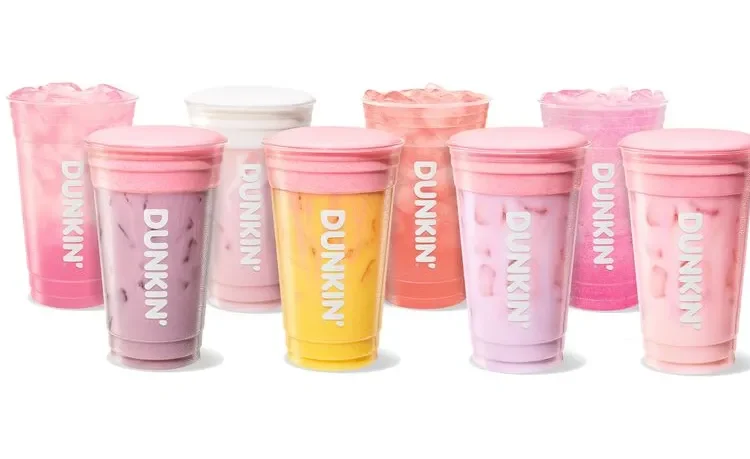
In a world where teenagers face numerous challenges, a recent study highlights a potential link between sugary beverages and increased anxiety levels in adolescents. The findings suggest that those who frequently consume soft drinks, energy drinks, and sweetened juices may be approximately one-third more likely to experience anxiety symptoms compared to their peers who consume these beverages less often.
Published in the Journal of Human Nutrition and Dietetics, this study was conducted by researchers at Bournemouth University in the UK. They conducted a comprehensive review, examining studies from the years 2000 to 2025 that focused on the relationship between sugary drink consumption and mental health in young individuals aged 10 to 19.
After sifting through over 120,000 results from scientific databases, the researchers identified nine relevant studies involving thousands of teenagers. Notably, two of these studies followed participants for about a year, providing deeper insights into the potential long-term effects.
The analysis revealed a consistent association between high sugary drink consumption and reported anxiety symptoms. The summarization of the data indicated that the risk of developing anxiety disorders increased by roughly 34% among adolescents who consumed sugary beverages frequently.
However, the researchers caution that this correlation does not establish a direct causal relationship; controlled studies would be necessary to determine if these drinks directly contribute to anxiety.
While recent public health campaigns have primarily focused on the physical repercussions of sugar consumption, such as obesity and type 2 diabetes, the mental health implications have not been adequately addressed.
This topic is becoming increasingly vital in light of the rising prevalence of anxiety disorders among young individuals. According to the World Health Organization, anxiety disorders now rank among the most common mental health issues in teenagers, affecting around one in seven adolescents globally.
Experts suggest that sugary drinks may exert physiological effects that impact mood. For instance, high sugar intake can lead to rapid spikes in blood sugar and insulin, followed by sharp declines, which may influence brain systems associated with mood and stress responses.
The researchers assert that recognizing modifiable habits, such as sugary drink consumption, may be a critical step in understanding the rising rates of anxiety among teenagers. Nonetheless, they emphasize the need for further studies to fully explore the link between diet and mental health during adolescence.
Key Takeaways
- Sugary drinks may increase the risk of anxiety symptoms in teenagers by about 34%.
- The findings stem from a comprehensive review of studies conducted by Bournemouth University.
- Over 120,000 study results were analyzed to identify relevant research on this topic.
- High consumption of sugary beverages consistently correlates with reported anxiety symptoms.
- More research is needed to establish a casual link between sugary drinks and anxiety disorders.
- Experts highlight the need for a focus on nutrition’s impact on mental health in adolescents.
FAQ
What types of drinks were examined in the study?
The study focused on soft drinks, energy drinks, and sweetened juices.
What was the primary conclusion of the study?
The study found a significant correlation between frequent consumption of sugary drinks and higher anxiety symptoms among teenagers.
Is there a causal relationship established between sugary drinks and anxiety?
No, the study emphasizes that the association observed does not confirm causation; further controlled studies are needed.
Why is this topic important now?
With rising anxiety disorders among youth, understanding diet’s impact on mental health is increasingly critical.
This research underscores the importance of mindful consumption among teenagers and the need for public health initiatives to address dietary habits. Addressing mental health in conjunction with diet could be key to improving overall well-being in this vulnerable age group.