March 17, 2026
This piece is sponsored by Avera Health.
In the United States, food is abundant, yet access to nutritious options remains a challenge for many, especially for those who need them most.
March marks National Nutrition Month, a time when Avera emphasizes the importance of healthy eating, particularly for women and children.
“We cannot simply assume that everyone has access to nutritious food,” stated Dr. Kara Bruning, a pediatrician with Avera.
According to Lori Dykstra, CEO of Feeding South Dakota, “Over 113,000 individuals in South Dakota are unsure of their next meal. This includes one in five children, and hunger can impact all aspects of their lives—how they learn, grow, and envision their futures. Ensuring reliable food access for kids in South Dakota is essential for their chance to thrive.”
In recent years, Avera has begun incorporating screening questions into annual checkups, including, “Are you concerned about your access to food?”

Healthy food access is a crucial aspect of social determinants of health—factors like housing, education, and transportation that influence overall well-being.
To combat food insecurity and its detrimental effects on health, Avera has launched six wellness pantries in clinics, with plans for further expansion into rural areas.
These wellness pantries are partially funded by a federal Healthy Start grant through the Health Resources and Services Administration and operate in collaboration with Feeding South Dakota, Avera Research Institute, and Avera’s Community Partnership program. Feeding South Dakota supplies food through grants and community donations, with additional grant funding assisting staffing for tracking and reporting efforts.
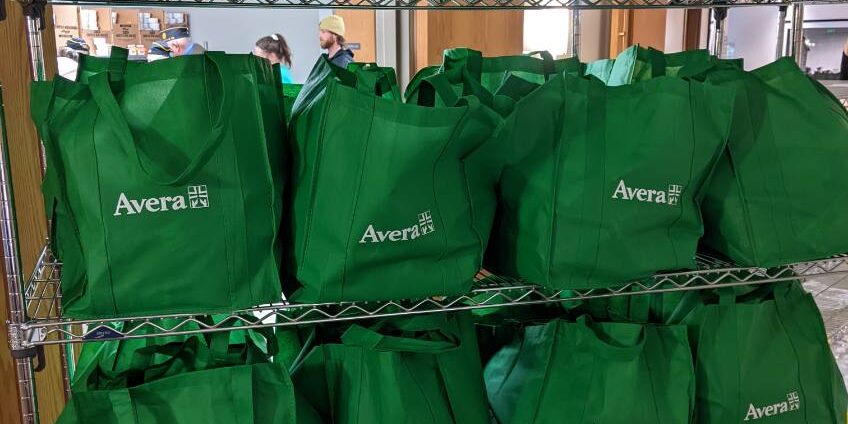
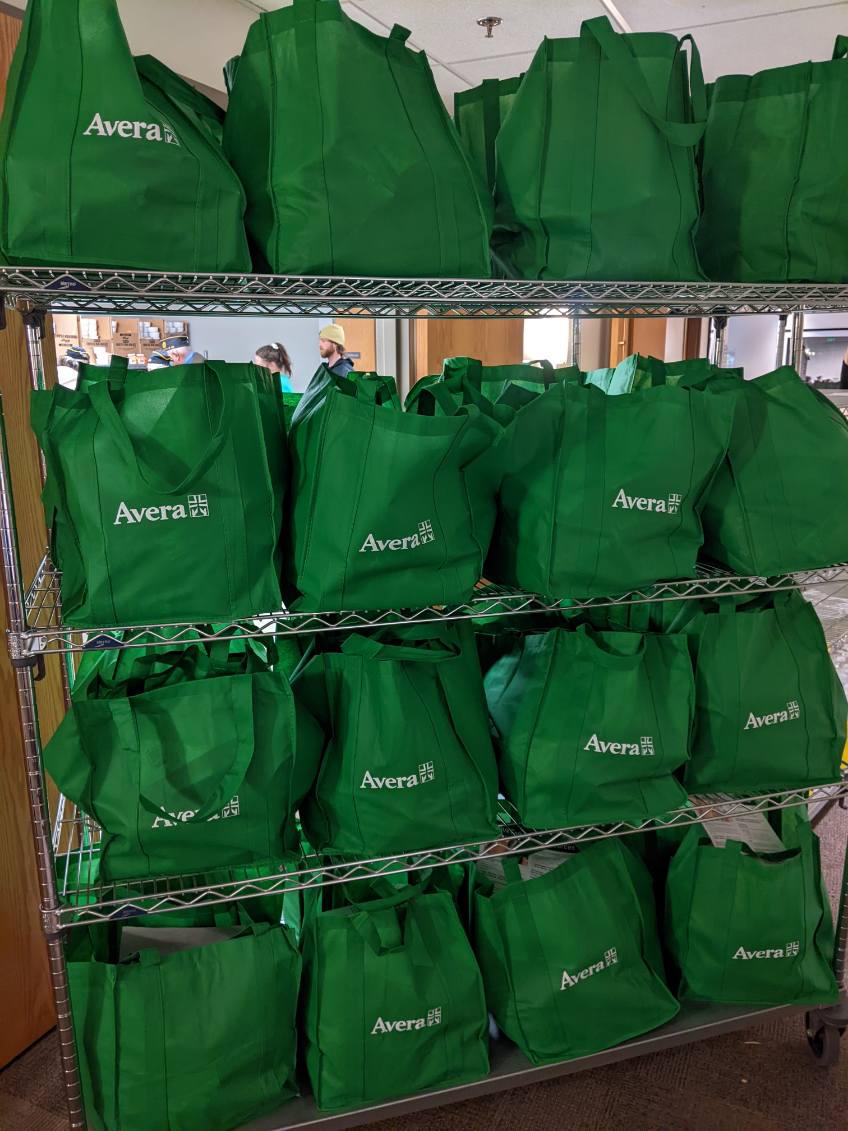
Since the program’s inception in early 2025, Avera has procured 32,000 pounds of food from Feeding South Dakota, distributing over 2,000 food bags across eight locations, primarily benefiting women, children, and their families.
The Impact of Nutrition on Health
Proper nutrition influences a child’s health beginning in utero. As children develop, healthy eating is vital for their overall well-being, supporting brain development, physical growth, dental health, immunity, and digestive functioning.
“When families face financial difficulties, they often turn to the least expensive food options. Unfortunately, these are frequently high in carbs, fats, sodium, and sugars, and low in nutrition,” noted Dr. Bruning, referencing choices like sugary cereals, white bread, and instant ramen or boxed mac and cheese.
Experts advocate for diets rich in fresh, lean proteins; fruits and vegetables (preferably fresh or frozen); low-sodium canned goods; fresh dairy; whole grains; and healthy fats.
“Relying on fast food and processed convenience items negatively impacts both health and educational performance,” Dr. Bruning remarked.
“We are witnessing increasing rates of childhood obesity and Type 2 diabetes—conditions once primarily seen in adults are now affecting children, teens, and young adults,” stated Dr. Joseph Vogel, also a pediatrician at Avera.
“Obesity can sometimes indicate food insecurity; children might become overweight when they lack access to the healthy foods that can prevent it, combined with insufficient opportunities for physical activity,” Dr. Vogel explained.
Inadequate diets can lead to nutrient deficiencies, such as anemia from low iron, or various behavioral health challenges.
Identifying Food Insecurity
Food insecurity may not always be evident during a doctor’s appointment, so screening questions help patients discuss their needs in a safe, confidential environment.
If a need for food is identified, clinic-based pantries can provide immediate assistance, offering shelf-stable items and dairy products to support families until they can find a more permanent solution. Additionally, families receive referrals to local food pantry resources.
In Sioux Falls, wellness pantries are available at pediatric and obstetric clinics in Plaza 1 on the Avera McKennan campus, the Avera McGreevy Seventh Avenue clinic, the Community Resource Center, and Avera 69th and Cliff clinic. Services have also extended to Pierre, Parkston, and Lake Andes, with plans for further rural outreach. Furthermore, the Avera Research Institute operates a wellness pantry that caters to mothers and children through community research initiatives.
Discover more about women’s and children’s services at Avera.