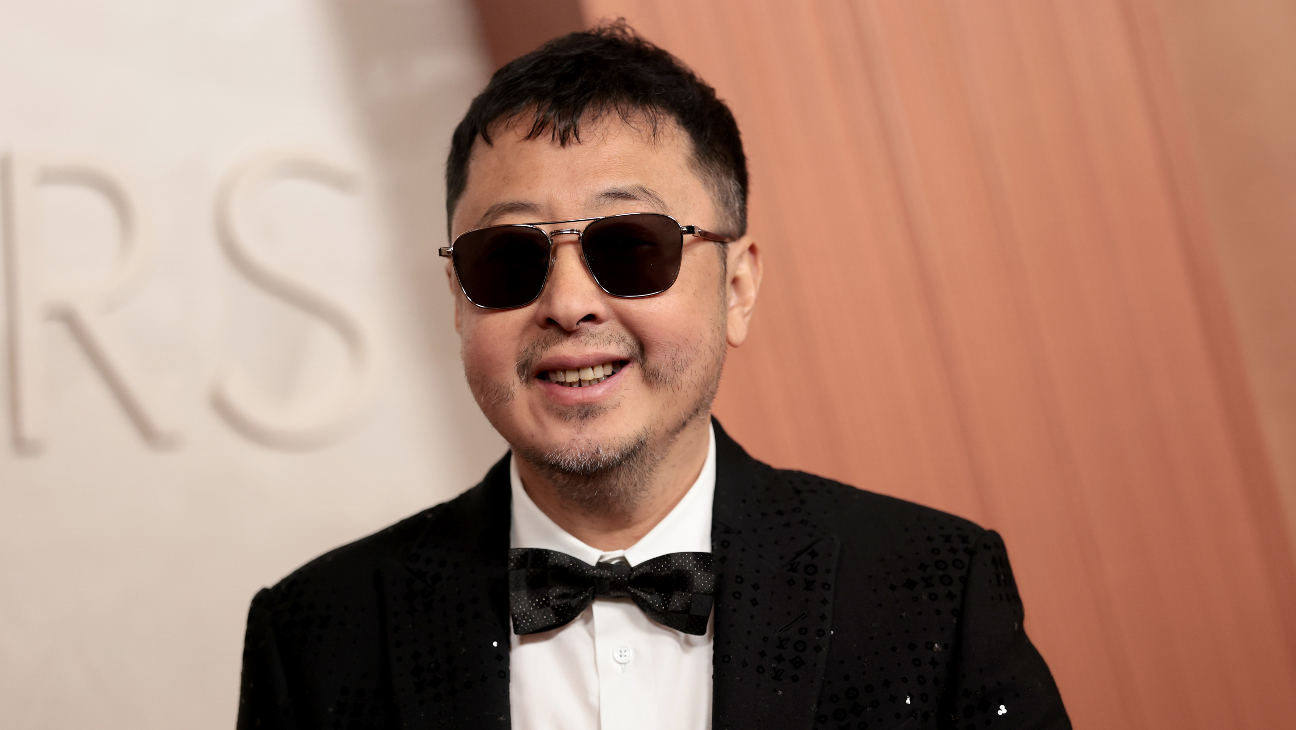
Renowned Chinese filmmaker Jia Zhangke recently expressed his fascination with the potential of artificial intelligence in cinema. Known for his critically acclaimed works like Still Life (winner of the Venice Golden Lion) and A Touch of Sin (winner of the best screenplay prize at Cannes), Jia has already produced two short films utilizing AI. During a masterclass held in Hong Kong, he shared his eagerness to explore what this technology can achieve, despite concerns from others in the industry.
“I approach new technology without jumping to conclusions,” Jia remarked during a panel discussion. “My priority is to engage with it to understand its implications.”
While filmmakers globally, especially in Hollywood, are exercising caution in adopting AI tools, developments are progressing at a rapid pace in some regions of Asia. China is vigorously promoting AI as part of its 15th Five-Year Plan for economic advancement, and leaders in Hong Kong are taking similar steps.
Additionally, the ongoing Filmart event in Hong Kong has become dominated by discussions on AI. This entertainment industry gathering, taking place at the Hong Kong Convention and Exhibition Centre, is filled with seminars, panels, and workshops aimed at highlighting the benefits of AI integration.
In his session, Jia maintained a grounded perspective, noting, “There are certainly both positive and negative aspects to consider. Avoid hasty protests or investments; we will need to tackle existing concerns through legal frameworks. My curiosity stems from the reality that new technologies can enhance the art of filmmaking and its production methodologies. Fresh media can offer pathways, concepts, and destinies previously unattainable.”
During a broad and engaging discussion, presented as part of the Asian Film Awards program, the 55-year-old Jia surprised attendees with revelations about his past, including his days as a champion breakdancer and how a commitment to regular jogging transformed him from a night owl into a dedicated filmmaker.
He also revealed insights into his creative processes, illustrating how he has adapted to technological advancements. For instance, Jia structured his acclaimed film A Touch of Sin (2013) around four distinct stories inspired by posts on social media, which prompted him to reflect on the evolving intensity and volume of information exchange.
“Every day on social media, you discover a plethora of content from around the globe,” he shared, expressing his fascination with Weibo, often dubbed “China’s Twitter.” “It became clear that there exists both a multitude of unrelated events and those that are interconnected. This realization led me to adopt that structural approach.”
Despite the focus on technology, the heart of the discussion remained close to Jia’s true passion: filmmaking itself.
“I grew up in a time when film was never viewed as a self-contained, isolated art form; it exists as part of the broader realm of contemporary art,” Jia commented. “Art reflects our shared social existence, and there are myriad ways to interpret our lives within that context.”