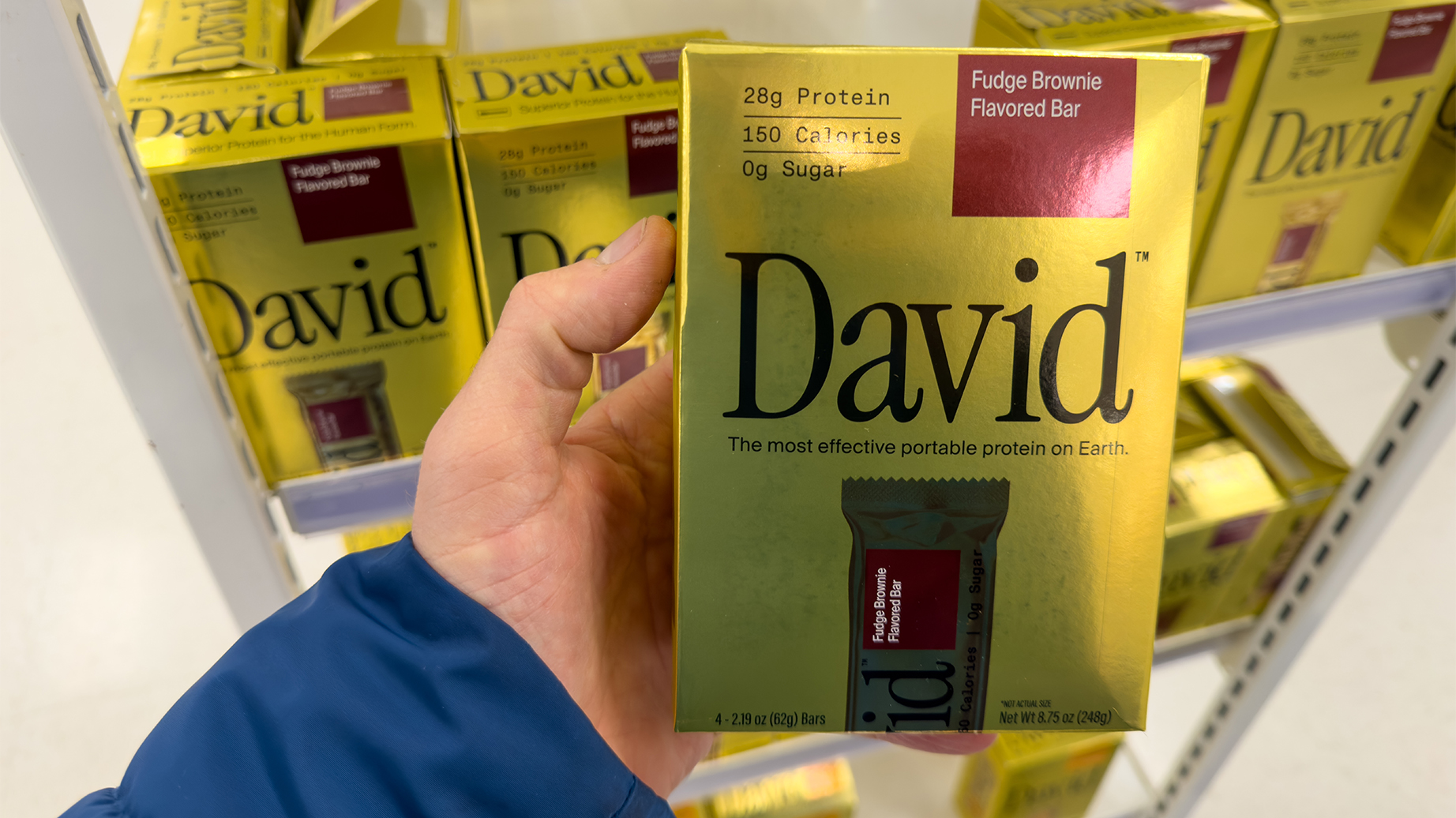
In a market where precision in nutritional content drives purchasing decisions, a viral protein bar brand is now facing legal scrutiny. A recent lawsuit questions the accuracy of the bar’s advertised nutritional values, particularly around its calorie and fat content.
The protein bar industry is heavily influenced by numbers. Calories, grams of protein, and fat metrics play crucial roles in consumer choices. For individuals monitoring their macros, managing weight, or fueling workouts, these figures are not just informational—they’re central to marketing strategies.
This focus on nutritional data has sparked a legal battle.
A class action lawsuit against David Protein claims that the company has misrepresented the calorie and fat content of its popular protein bars. Plaintiffs assert that laboratory tests reveal the bars contain significantly greater amounts of calories and fat than those stated on the packaging. This has caught the attention of the fitness community, where precise nutrient labeling is a key factor in consumer choices.
Understanding the Allegations
David Protein Bars became a sensation by promoting a straightforward claim: each bar contains 28 grams of protein, zero grams of sugar, two grams of fat, and 150 calories. This appealing ratio distinguishes it from many competitors, whose offerings typically range from 200 to 280 calories.
However, the lawsuit introduced in a New York federal court contends that these figures may not accurately reflect the bars’ actual nutritional values.
According to the complaint, independent tests conducted at an FDA-accredited lab showed each bar contains between 268 and 275 calories—approximately 80 percent more than the 150 calories claimed. Additionally, these tests reportedly found fat content in the range of 11 to 13.5 grams, which is substantially higher than the two grams advertised.
Federal guidelines do permit some variation in nutrition labeling, but this margin is limited. According to FDA regulations, the actual nutrient content of packaged foods generally cannot exceed the labeled value by more than about 20 percent. For a product marketed as having 150 calories, this would permit a maximum of roughly 180 calories.
The lawsuit argues that the stated laboratory findings exceed this permissible range significantly.
Scroll to continue reading
Plaintiffs claim that the low calorie count is fundamental to the brand’s marketing appeal. Priced between $3 to $4 each, David Protein bars are positioned at the higher end of the protein snack market. The complaint states that consumers were inclined to pay this premium because they believed the bars delivered an exceptionally high protein content while maintaining much lower calories compared to alternatives on the market.
A Brand Built on a Single Statistic
This legal challenge arrives amid rapid growth for David Protein in the protein snack segment.
The company was co-founded by Peter Rahal, who previously helped establish the RXBar brand, acquired by Kellogg’s in 2017 for approximately $600 million. Rahal launched David Protein in 2024, boasting a product containing 28 grams of protein but only 150 calories.
Fitness influencers quickly spread the message across TikTok, YouTube, and other platforms where conversations about calorie tracking and macro counting thrive.
As the interest in high-protein foods rises, driven by goals like muscle development, weight control, and specialized nutritional regimens, David Protein has experienced significant market demand. This trend has been propelled further by the use of GLP-1 medications, such as Ozempic and Wegovy, often necessitating a higher protein intake to preserve muscle mass while lowering caloric consumption.
Industry analysts estimate the company’s valuation has surged to around $725 million, positioning it as one of the most rapidly expanding startups within the protein snack sector.
David Protein’s Response
David Protein has categorically denied the allegations, asserting that the lawsuit employs an incorrect method for calculating calories.
In a statement regarding the case, the company contends the claims misinterpret federal nutrition labeling rules concerning calorie computation.
“The lawsuit asserting that David Protein bars contain more calories and fat than indicated on their nutrition labels is simply incorrect,” the company stated.
The core of the dispute lies in the methodology known as bomb calorimetry, referenced in the lawsuit. This technique calculates the total energy within food by burning a sample in a sealed chamber to measure heat release. While this method is often used to determine the gross energy available in a substance, it reflects total potential energy rather than the amount of energy our bodies can absorb during digestion.
David Protein argues that this approach does not accurately represent the way the body metabolizes certain ingredients in their bars.
Specifically, the company highlights EPG, or esterified propoxylated glycerol, a fat substitute crafted to replicate the taste and texture of fat while offering far fewer digestible calories. Given the body’s minimal absorption of this compound, federal labeling standards afford it a lower caloric value.
Under FDA guidelines, manufacturers must compute calories based on metabolizable energy, not solely the total energy indicated through combustion testing. Company representatives assert that treating EPG as a regular fat artificially inflates calorie counts.
Founder Peter Rahal has publicly defended the product, expressing that the company intends to challenge the lawsuit vigorously.
The Road Ahead
The case is still in its initial phases, and the court has yet to make any rulings concerning the claims.
If the lawsuit progresses, the focal point will likely be the appropriate methods for measuring calories of ingredients like EPG. Experts may debate the validity of using laboratory combustion testing versus metabolizable energy calculations to align with federal labeling standards.
This dispute underscores a larger issue within the health food sector: as brands increasingly market their products based on detailed nutritional metrics, even minor disagreements about measurement can escalate into significant legal confrontations.
For now, David Protein bars continue to be available on the market while the case navigates through legal processes.