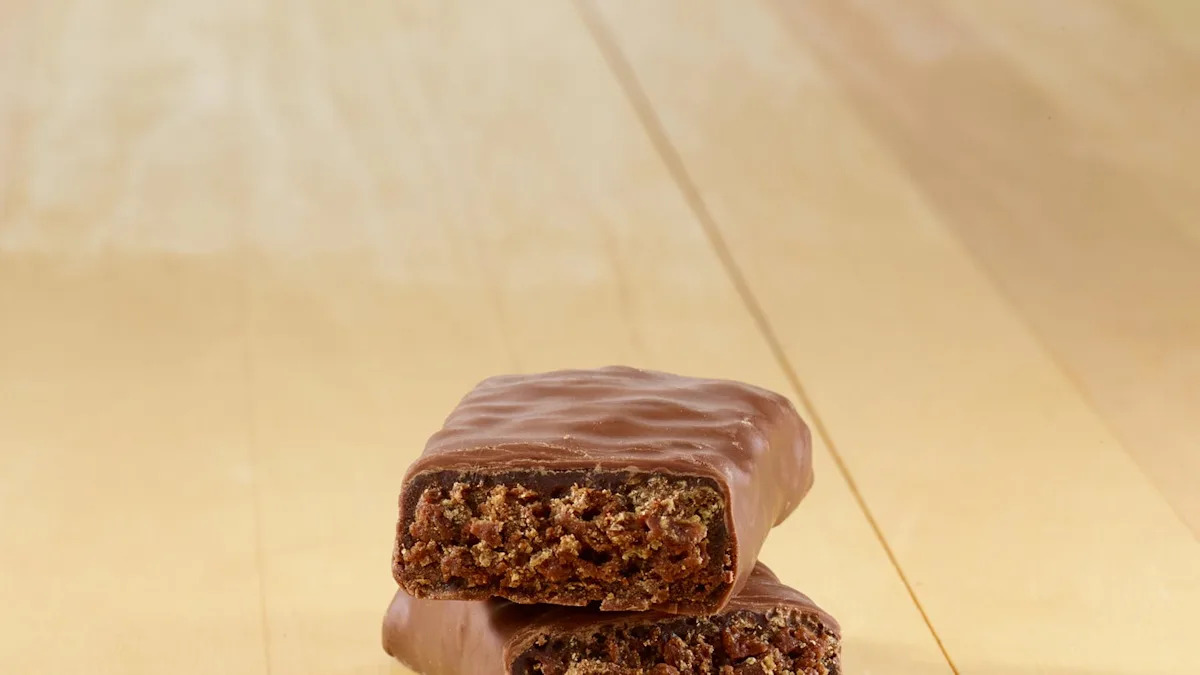
David Protein Under Fire for Misleading Claims
Recently, a class action lawsuit has emerged against David Protein, alleging that the brand has intentionally misled its customers regarding the nutritional information of its protein bars.
-
The packaging states that each serving comprises only 150 calories and 2 grams of fat; however, lab tests have revealed far higher figures.
-
The lawsuit seeks damages, restitution, and injunctive relief.
David Protein bars have been celebrated for their seemingly remarkable nutritional profile: with 28 grams of protein, zero grams of sugar, 2 grams of fat, and 12 carbohydrates, all packed into only 150 calories. Priced at a mere $3.25 per bar, they quickly became a sensation upon their release a few years back, even recently winning an award this year. However, these impressive nutrient claims are now under scrutiny.
A class action lawsuit filed against David Protein on January 23 charges the company with misrepresenting the calorie and fat content of its popular bars, thereby breaching both state and federal consumer protection laws. According to the lawsuit, the protein bars contain considerably more calories and fat than stated—an alarming 83% and 400% higher, respectively.
The complaint includes laboratory test results from an accredited source, showing that the bars actually contain between 268 and 275 calories per serving (over 100 calories more than claimed) and between 11 and 13.5 grams of fat per serving, a stark contrast to the 2 grams published on the label.
The lawsuit asserts that David Protein knowingly deceived consumers through inaccurate nutrition labels, leading them to make poorly informed purchasing choices. The plaintiffs argue that had they been accurately informed about the nutritional content, they either would have refrained from purchasing the bars or would have opted to pay a lower price.
Moreover, the lawsuit contends that this misrepresentation violates FDA regulations, which stipulate that the nutrient content of food products cannot exceed the declared value by more than 20%. It seeks to represent all individuals who purchased these protein bars in the United States and calls for a jury trial. The plaintiffs are asking for damages, restitution, and an injunction to prevent David Protein from continuing to sell misbranded products.
When interviewed by Vanity Fair, David Protein founder Peter Rahal defended the company’s labeling, insisting that, “This particular claim, among other things, fails to understand how the FDA measures the calories for EPG, one of our key ingredients. We intend to defend this claim vigorously.”


