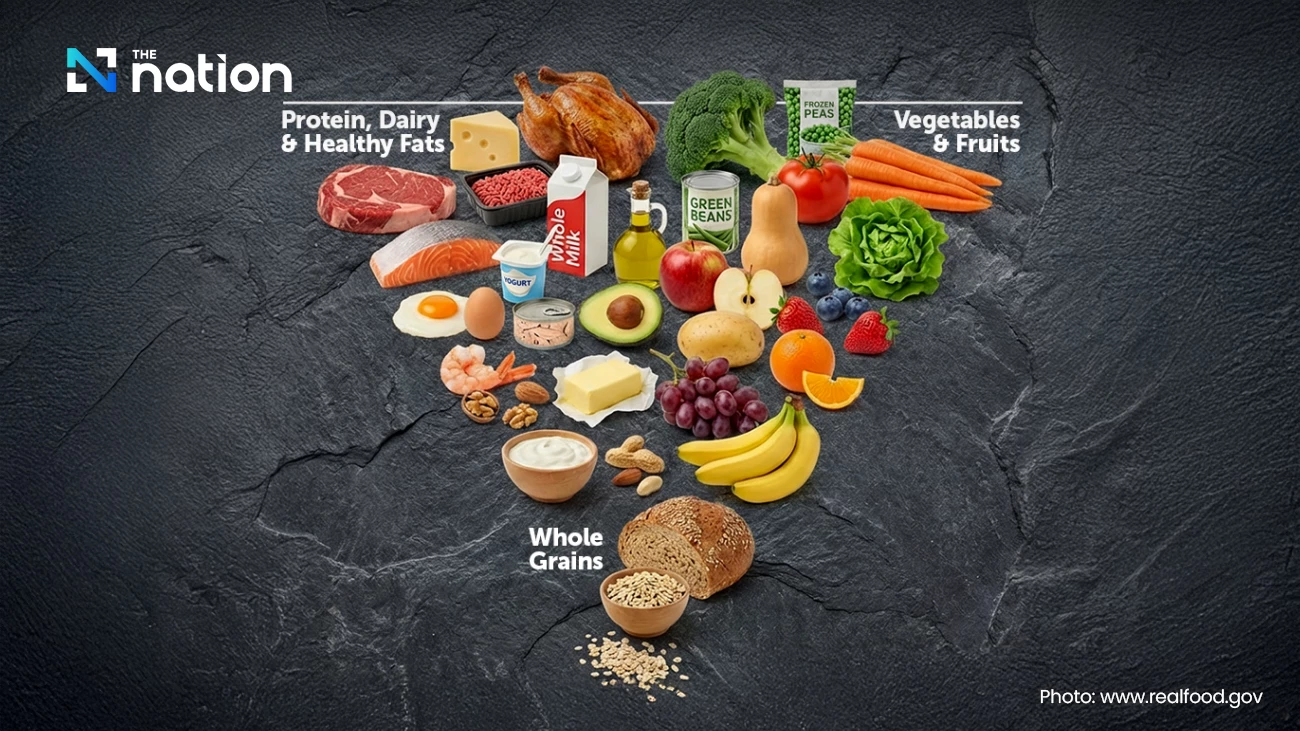
Department of Health encourages Thai citizens to adhere to the “Nutrition Flag” as concerns grow over the US dietary shift towards red meat and full-fat dairy.
In light of emerging nutrition trends from the United States, Thai health officials are raising concerns about the adoption of certain American dietary habits. They warn that the recent introduction of the “Upside-Down Pyramid” model could pose health risks tailored to the American lifestyle rather than the Thai demographic, potentially resulting in a rise in chronic health issues.
The Bureau of Nutrition, part of the Department of Health, has recently responded to the 2026 US Dietary Guidelines. These guidelines have shifted the focus towards increased consumption of high-protein foods, including red meat, butter, and full-fat dairy products, placing plant-based proteins at the bottom of the dietary hierarchy.
Despite its growing popularity on social media platforms, experts caution that this approach significantly deviates from World Health Organization (WHO) recommendations and could present specific health risks for the Thai population.
Understanding Kidney and Heart Risks
The American dietary model advocates for a protein intake of 1.2 to 1.6 grams per kilogram of body weight, nearly doubling the traditional recommendation of 0.8 grams. This substantial increase raises alarms among health professionals.
“High consumption of animal protein, especially from red meat and full-fat dairy products, significantly elevates saturated fat and sodium intake,” noted a report from the Department of Health. “This not only raises the risk of coronary heart disease but also imposes undue stress on the kidneys, potentially leading to long-term renal complications.”
Moreover, the WHO advises that saturated fat should constitute no more than 10% of total daily energy intake— a limit that could easily be surpassed under the revised American dietary model.
In conclusion, as dietary trends evolve globally, it becomes increasingly vital for individuals to consider health guidelines suited to their unique physiological and cultural needs. The Department of Health’s message is clear: adhering to the established “Nutrition Flag” will support better health outcomes tailored to the Thai population. Staying informed and mindful of nutrition can help prevent potential health challenges in the future.


