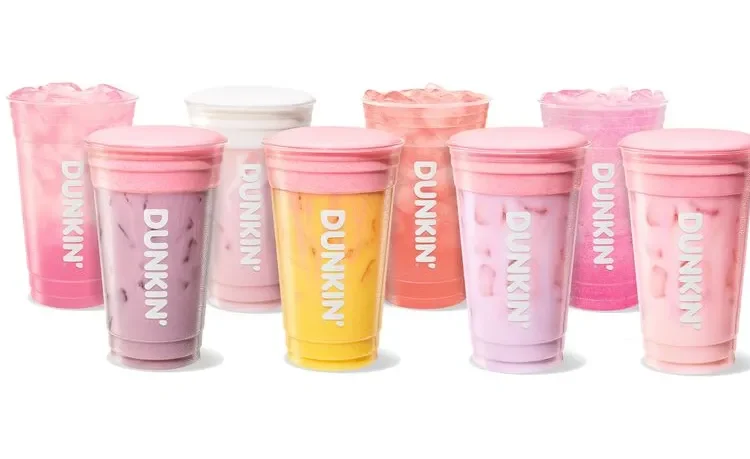
As the spring equinox approaches on March 20, 2026, food and beverage establishments are gearing up to refresh their menus. This seasonal transition is an opportunity for coffee shops, quick-service restaurants, and bars to introduce vibrant new offerings, incorporating floral and herbal elements that take center stage in the upcoming spring selections.
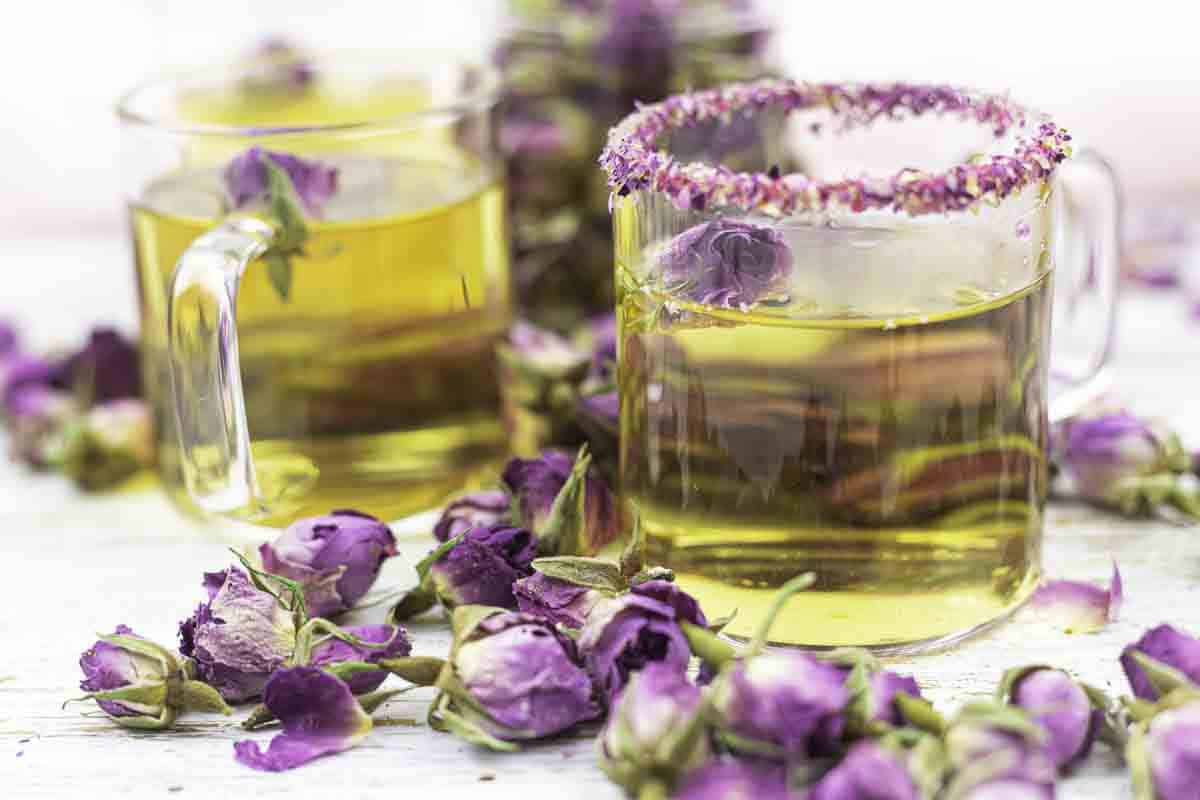
Beyond merely unveiling fresh flavors, spring menus provide an opportunity for businesses to rotate limited-time offerings and reimagine standard favorites with a seasonal twist. The inclusion of botanical ingredients lends a unique flair that complements coffee, tea, soda, and cocktail selections.
Spring brings a botanical surge
Persistence Market Research estimates that the global market for botanical-infused beverages will reach $398.4 million in 2025, marking an increase from approximately $373.4 million in 2024. The projected growth rate is 7.8% annually through 2032, driven by consumer demand for sugar-free and low-calorie options, a growing interest in nonalcoholic beverages, and increased plant-based purchasing.
Preparation for spring menus began weeks prior to the equinox. For example, Starbucks unveiled its seasonal offerings on March 3, featuring Iced Lavender Cream Chai, Iced Ube Coconut Macchiato, and Toasted Coconut Cream Cold Brew. Additionally, BeverageDaily highlighted that Twinings expanded its ready-to-drink sparkling tea line in 2026 with Revive, a peach-focused beverage infused with elderflower.
Botanicals move beyond garnish
Ingredients like lavender and hibiscus are increasingly used as primary components rather than mere garnishes. Chick-fil-A, for instance, launched four new strawberry hibiscus beverages on March 9, incorporating botanical flavors into mainstream offerings designed for everyday consumption rather than specialty menus. Beverage developers are now utilizing floral and herbal ingredients to create distinctive flavor profiles in coffee drinks, teas, and non-alcoholic options.

Botanical ingredients often make a significant impression as they are among the first flavors customers encounter, distinguishing drinks that would otherwise blend into less memorable options such as traditional chai or lemonade. Their unique contributions elevate standard drinks and can enhance a brand’s overall appeal.
Mocktails and functional drinks expand the market
Botanicals are increasingly recognized for their business potential beyond seasonal flavors, particularly in rapidly expanding drink categories. According to International Wine and Spirits Record, the global volume of non-alcoholic alternatives is expected to grow by 36% from 2024 to 2029, with a 9% increase projected for 2025, translating to over 18 billion servings by 2029. In 2025, alcohol-adjacent beverages, which include many functional drinks, grew by 11%.
Additionally, research from Innova Market Insights indicates that 19% of consumers now prioritize functional beverages as part of their wellness routines. This trend highlights the growing intersection of beverages with health and beauty considerations, ensuring that botanical ingredients remain relevant as developers create cocktails that provide complexity without alcohol.
Botanical drinks earn a longer run
The true test of these offerings will come after their initial launch in spring. If customers continue to seek out drinks featuring lavender, hibiscus, and elderflower post-equinox, businesses will have compelling evidence that these ingredients should be included in year-round beverage planning rather than being reserved for seasonal specials. Spring 2026 could mark a pivotal moment for the ongoing presence of botanical flavors on beverage menus.
Mandy Applegate is the creator behind Splash of Taste and several other prestigious food and travel blogs. She co-founded Food Drink Life Inc., an innovative collaborative blogging initiative, and frequently contributes articles to major online publications, continually on the lookout for the next significant trend.
The post Spring equinox sparks a surge in botanical flavors appeared first on Food Drink Life.
Key Takeaways
- The spring equinox on March 20, 2026, marks the beginning of new beverage menus featuring botanical ingredients.
- Botanical-infused beverages are projected to reach $398.4 million by 2025.
- Lavender and hibiscus are increasingly being used as main ingredients rather than mere garnishes.
- As wellness trends rise, functional drinks incorporating botanicals are gaining popularity.
- The success of spring offerings will determine their potential for year-round inclusion on menus.
FAQ
What types of botanical flavors are being featured in spring menus?
Popular botanical flavors include lavender, hibiscus, and elderflower, which are being integrated into various beverages like teas, coffees, and cocktails.
How significant is the trend towards botanical drinks?
The botanical-infused beverages market is projected to grow significantly, highlighting increasing consumer demand for diverse and innovative drink options.
Are mocktails becoming more popular?
Yes, mocktails and non-alcoholic beverages are experiencing substantial growth as consumers seek functional and enjoyable drink options without alcohol.