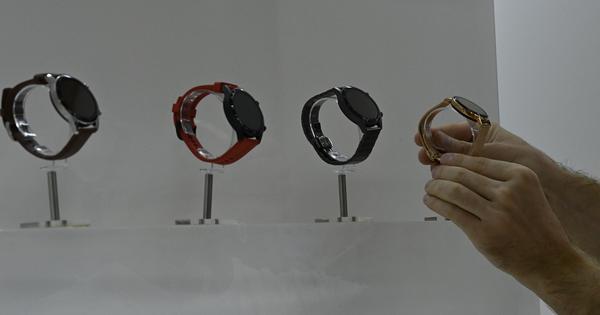
In recent years, wearable technology like fitness trackers and smartwatches has become increasingly popular. In the UK alone, about half of the population utilizes these devices to monitor their health and activity levels, including metrics such as heart rate, step counts, and sleep quality. As artificial intelligence continues to evolve, we can anticipate these gadgets will become even more advanced, potentially offering insights into our health well before we consult a healthcare professional.
Although wearables offer valuable information about our cardiovascular health, it’s important to remember that they also have limitations. A key strength of modern wearable technology is its ability to record a wide range of data and track trends over time. This feature makes them ideal for assessing the impact of lifestyle changes. For instance, your device can indicate whether improvements in your diet or exercise habits are positively influencing your sleep quality or overall well-being.
Many popular wearables not only track physical activity but also gather cardiovascular data through photoplethysmography (PPG). This technology uses light sensors to interact with tiny blood vessels in the skin, providing estimates of blood volume changes that can be essential for measuring heart rate and blood oxygen levels. Some devices even record electrocardiographic (ECG) data, allowing users to get a view of their heart’s electrical activity.
These advanced features can be remarkably useful during cardiology consultations. Traditional clinical ECGs often capture heart rhythm data for a limited duration, such as 24 to 72 hours. By contrast, smartwatches and fitness trackers are worn for longer periods, which means they can capture important data during episodes of cardiac symptoms, like palpitations. Research has shown that wearables can effectively detect conditions such as atrial fibrillation, a heart rhythm disorder linked to an increased risk of stroke, making them valuable tools for ongoing blood pressure monitoring.
While wearables provide insightful data, relying solely on their readings can be problematic. Many devices measure blood pressure through PPG, which differs from the inflation method used by traditional cuffs. Consequently, wearables may only offer a range instead of precise values, leaving users uncertain about their true blood pressure status. Currently, there is a lack of standardization in how these devices report metrics, resulting in discrepancies even among wearables designed for the same purpose.
Moreover, despite claims of medical-grade accuracy, most wearable devices have not received formal approval as medical devices from regulatory authorities. It’s crucial for consumers to understand this distinction to avoid placing unwarranted trust in the data provided by their devices. While wearables can illuminate many aspects of heart health, significant improvements are needed before they can be reliably integrated into cardiac care.
Ensuring quality control and compatibility across various brands will be essential for future developments. Furthermore, making patients’ data reliable and easily accessible to healthcare providers will be key in realizing the potential of wearable technology in healthcare settings. To position wearables as standard tools in the NHS by 2035, several pivotal issues need to be addressed promptly, as highlighted in the NHS’s ten-year plan for England.
In conclusion, wearable technology offers numerous benefits for individuals keen to monitor their health and fitness levels. While these devices can provide invaluable insights, it’s essential to approach their data with a critical eye and not rely on them as the sole means of assessing health. By combining the technology with professional medical advice and ongoing lifestyle modifications, you can enhance your well-being effectively.