
Published March 15, 2026 03:19AM
Whether you’re a seasoned runner or just starting out, understanding how to gauge your training intensity is crucial for improving your fitness. This article explores an insightful study from the University of Zagreb that unearths a simple yet effective strategy for optimizing your running workouts. Let’s dive into the findings and practical recommendations that can transform your training sessions.
Finding the Right Intensity
Many novice runners face a common question during their initial workouts: “How fast should I be running?” This uncertainty can be daunting, especially in a competitive environment. In recent years, training methods have evolved, with many athletes now utilizing tools like heart rate monitors and lactate measurements to avoid overtraining. However, a recent study in Medicine & Science in Sports & Exercise proposes that the best training intensity might be easier to gauge than you think: it should feel like a 7 on a scale of 0 to 10 in terms of effort.
Insights from the Research Study
The research team, led by Daniel Bok, enlisted 17 runners to participate in three specific workouts. Each workout consisted of three 3-minute intervals with two minutes of rest between them. The participants were instructed to maintain an effort level of 6, 7, or 8 on the perceived exertion scale, which ranges from “hard” to “very hard.”
The key focus of the study was to measure how much time runners spent working at over 90% of their VO2 max—an important measure of cardiovascular fitness. Essentially, VO2 max reflects how effectively your body can transport and utilize oxygen during intense exercise. To improve your fitness, it’s vital to spend time working at or near this maximum level, effectively training your body’s capacity to process oxygen.
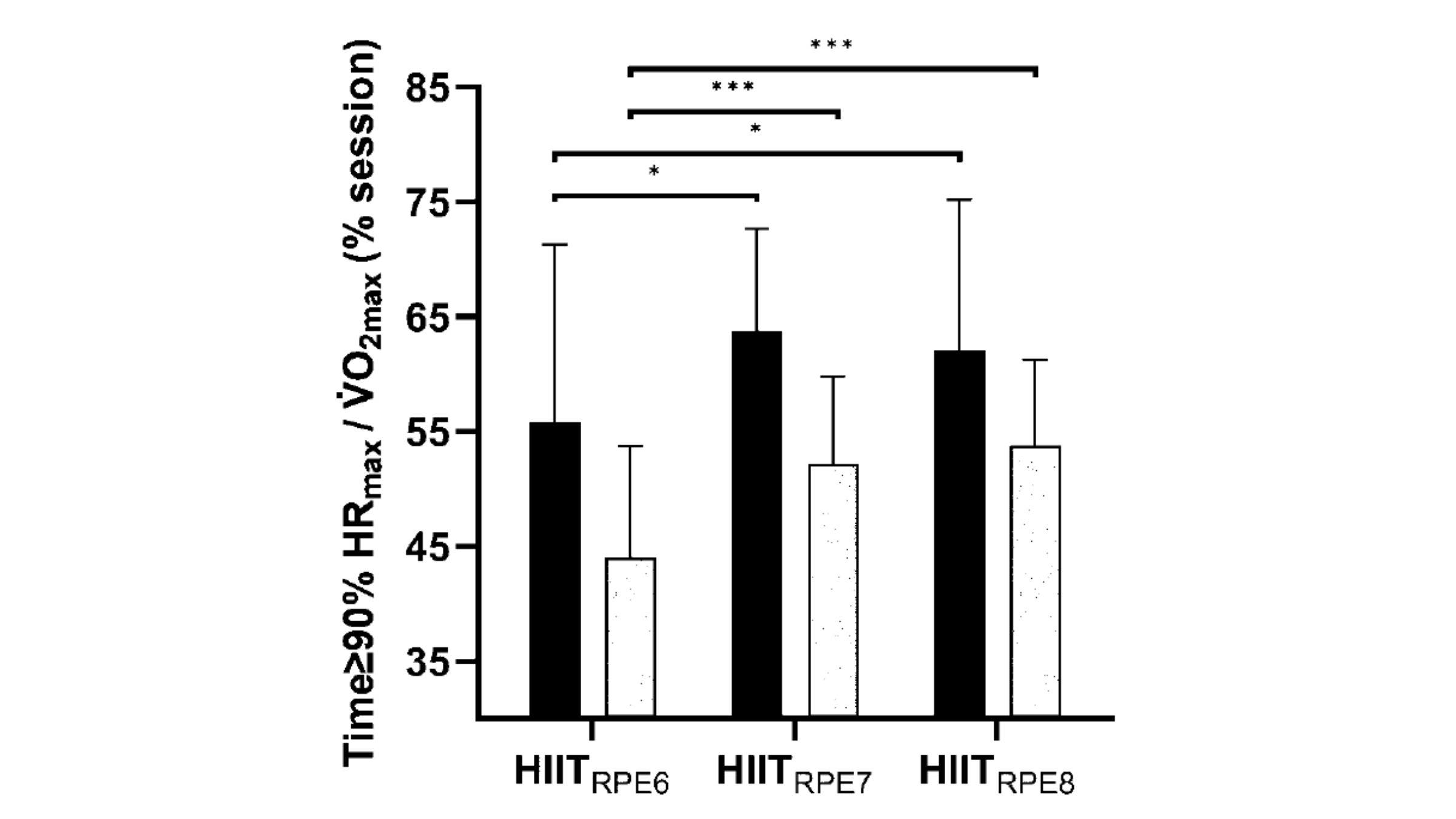
The findings were clear: workouts at an effort level of 6 were less effective for accumulating time at over 90% of VO2 max compared to harder efforts. Moreover, both the 7 and 8 effort levels yielded similar results, suggesting that the level 7 intensity might be the sweet spot for maximizing training benefits without unnecessary fatigue.
How to Apply This in Your Training
While the study suggests that an effort level of 7 works well, it doesn’t mean you should stick to this intensity for every workout. The workouts primarily included nine minutes of high intensity, which means you may need to adapt your intensity for longer sessions. If you plan to do longer intervals, a slightly lower effort might be more effective for sustaining performance and achieving the desired training effect.
The essential takeaway from the research is that using perceived effort as a guide can help you develop a more intuitive understanding of your training. As runners pushed harder, they naturally adjusted their pace, ensuring their efforts consistently aligned with their goals. This association allows for better pacing without relying solely on external metrics like clocks or GPS watches.
It’s also worth noting that runners were instructed to maintain their effort level at 7 throughout each interval, which meant starting fast and gradually reducing speed as they fatigued. This approach can lead to higher time spent above 90% of VO2 max compared to even pacing during intervals.
Final Thoughts
The study concludes with an important reminder that more intensity isn’t always synonymous with better results. Transitioning from a 7 to an 8 effort can indeed feel more challenging and may require longer recovery periods without yielding additional training benefits. The sweet spot for this particular workout was found to be an effort level of 7 out of 10, suggesting that the best approach may not always be to push to your absolute limit. Rather, finding a balanced intensity will facilitate better training gains while minimizing fatigue.
By refining how you gauge your effort during training, you’ll be well on your way to improving your running performance. Remember, it’s not just about running as fast as you can; it’s about training smartly and effectively.
For more fitness insights and tips, sign up for the email newsletter and explore my new book The Explorer’s Gene: Why We Seek Big Challenges, New Flavors, and the Blank Spots on the Map.