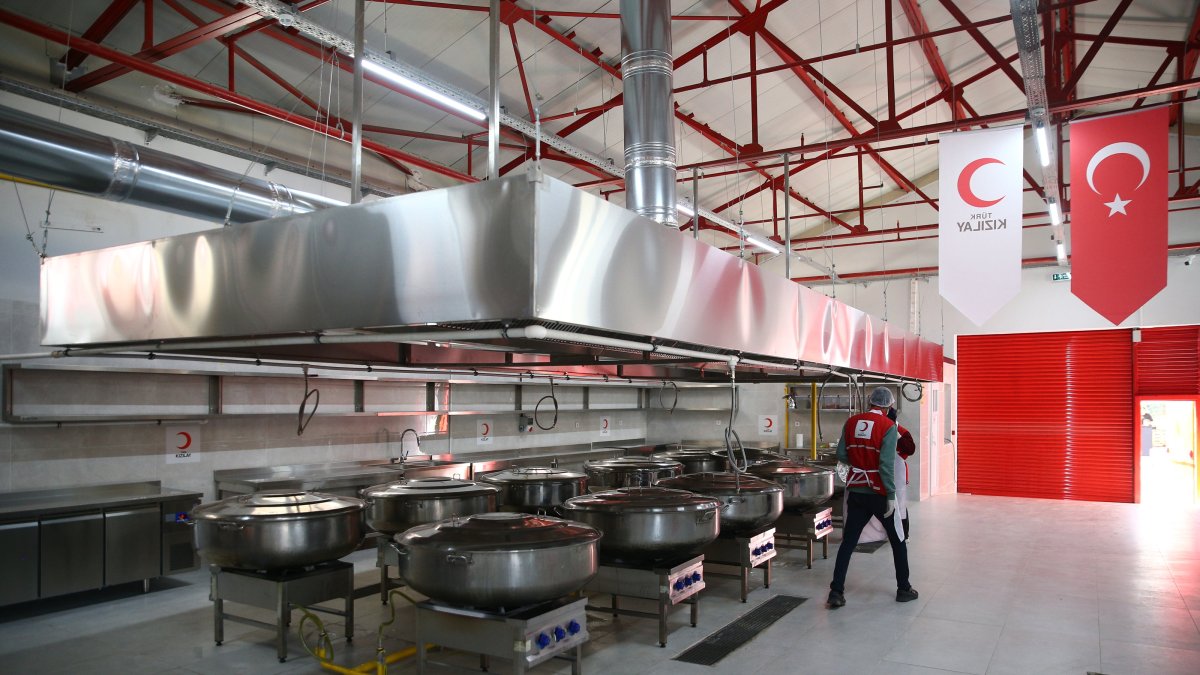
In a significant expansion of its humanitarian efforts, the Turkish Red Crescent (Kızılay) has inaugurated a new soup kitchen in Adana, Türkiye. This facility represents a crucial step in enhancing the organization’s food assistance and disaster response capabilities across the country.
The new soup kitchen, located at the Kızılay Disaster Center in the Yüreğir district, is set to provide daily meals for thousands of individuals. It will also function as a major emergency food distribution center in times of need, according to officials present at the opening ceremony.
Kızılay President Fatma Meriç Yılmaz emphasized the importance of this facility in delivering essential meals to vulnerable populations while simultaneously bolstering the organization’s overall humanitarian framework.
“This soup kitchen is part of the ’81 Soup Kitchens in 81 Provinces’ initiative,” Yılmaz explained, highlighting its aim to expand food assistance services throughout Türkiye.
The soup kitchens primarily cater to elderly individuals living alone, people with disabilities, and those who struggle to prepare meals at home.
“We say to those who may feel isolated, ‘we are right by your side.’ Our commitment extends especially to our senior citizens, individuals with disabilities, and others who lack the resources to cook for themselves. The spirit of community thrives during Ramadan, but these soup kitchens will continue to serve throughout the entire year,” she added.
The Adana facility has been designed to adapt to various needs, with scalable capacities to address both daily demands and emergent situations.
“This soup kitchen currently has the capability to serve meals to 3,000 people daily, and can be expanded to accommodate up to 11,000 and, if necessary, even 30,000. This flexibility is crucial in disaster situations,” Yılmaz noted.
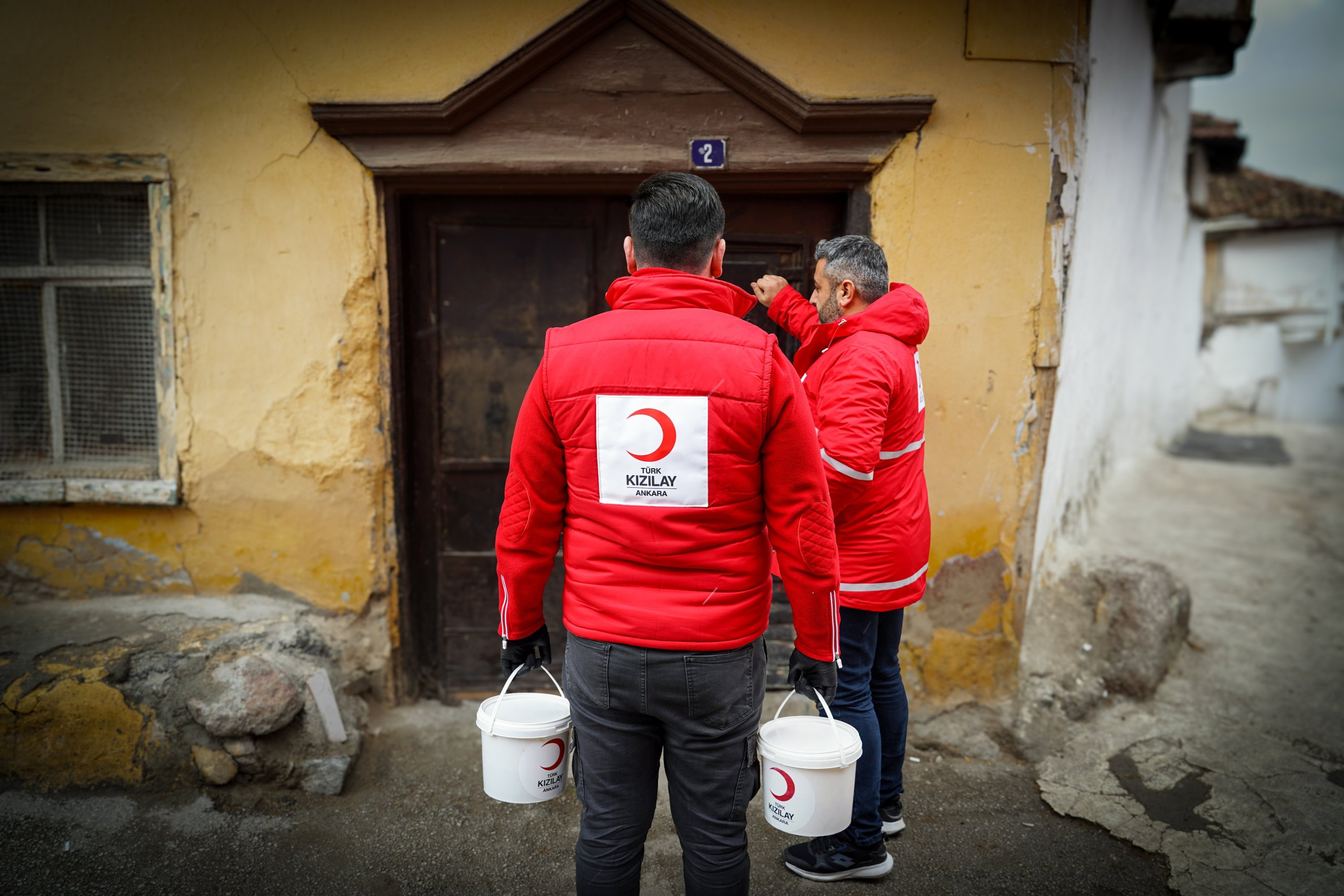
Yılmaz also detailed the organization’s broader strategy, indicating that the network of soup kitchens is expanding thanks to contributions from donors and volunteers.
“Initially, we set up 46 soup kitchens across Türkiye, and with the generous support of our donors, we plan to establish 22 additional facilities in 2026, many of which will be newly constructed,” she said.
The long-term goal is to ensure that each province in Türkiye has at least one operational soup kitchen, while larger cities will have multiple locations.
“In two years, we aim to have at least one soup kitchen in each of the 81 provinces, with larger cities like Istanbul housing at least 10,” Yılmaz stated.
She emphasized that public support and the efforts of volunteers are vital for sustaining this initiative.
“The more donations we receive, the greater our responsibility and commitment. We thrive on reaching more people,” she asserted.
Yılmaz also highlighted the organization’s extensive volunteer network, comprising over 450,000 individuals. “At Kızılay, we are a large family, ready to assist anyone in need. Our collective energy increases with the volume of work and support we receive,” she added.
The soup kitchen initiative is designed to ensure comprehensive support for everyone in Türkiye.
During the opening ceremony, Adana Governor Mustafa Yavuz acknowledged Kızılay’s significant contributions to communities during both challenging times and in everyday life. He stated that the organization has consistently supported citizens through some of the province’s most difficult circumstances.
Yavuz remarked that the new soup kitchen will serve not only as a daily support facility but also as a vital resource during emergencies.
“This facility is more than a mere soup kitchen; a city with access to food and work fosters peace. Ensuring that Adana has food and opportunities is essential for its stability,” he said.
“Kızılay’s role extends beyond food distribution; it also provides shelter, clothing, and health services through blood donation initiatives,” he added, urging citizens nationwide to support the organization through volunteering and blood donations.
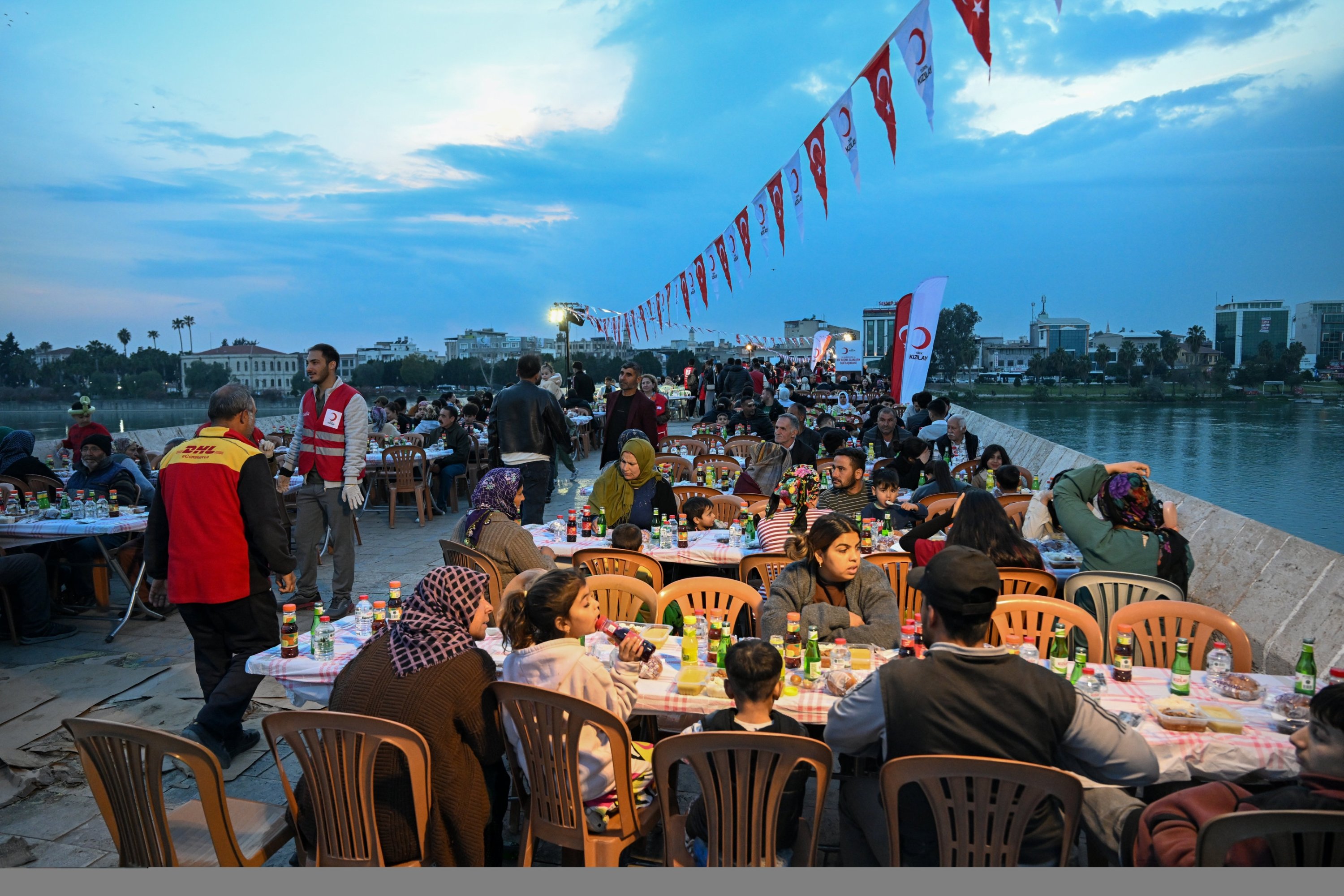
Later, following the opening ceremony, Kızılay hosted a vibrant Ramadan iftar on the historic Stone Bridge over the Seyhan River, uniting 3,000 attendees to share the blessings of the holy month.
During the gathering, Governor Yavuz praised Adana for its rich geography, abundance, historical legacy, and diverse gastronomy.
“Adana is a remarkable city, and by leveraging its potential, we can further promote its identity,” he stated.
He also noted the recent international recognition of one of the city’s traditional beverages.
“Şalgam, a valued product of Adana, received geographical indication registration from the European Union yesterday. We aim to promote our offerings that elevate Adana’s profile both nationally and globally,” he added.
Key Takeaways
- Kızılay’s new soup kitchen in Adana serves thousands daily and expands emergency response capabilities.
- The facility is adaptable, with the potential to increase meal capacity significantly during crises.
- Targeted populations include the elderly, disabled individuals, and those unable to cook for themselves.
- The initiative aims to establish a soup kitchen in each of Türkiye’s 81 provinces, with multiple locations in larger cities.
- Public donations and volunteer efforts are critical for sustaining the expanded network of soup kitchens.
FAQ
What is the purpose of Kızılay’s soup kitchens?
The soup kitchens aim to provide daily meals to vulnerable groups and serve as emergency food distribution centers during crises.
Who does the soup kitchen primarily serve?
It primarily supports elderly individuals, people with disabilities, and those unable to prepare meals at home.
How many soup kitchens does Kızılay plan to open in Türkiye?
Kızılay aims to establish at least one soup kitchen in each of Türkiye’s 81 provinces, with additional locations in larger cities.
What is the capacity of the Adana facility?
The Adana soup kitchen is equipped to serve 3,000 daily, with the potential to expand to 11,000 and up to 30,000 in emergencies.
How can the public support Kızılay’s initiatives?
The public can contribute through donations and by volunteering, which are essential for sustaining the organization’s efforts.