Navigating the Future of Influencer Marketing: The Rise of AI Avatars
In today’s digital age, social media has transformed how we discover and engage with beauty and wellness products. However, this new landscape also harbors challenges, including the emergence of AI influencers, which can blur the lines between authenticity and deception. Let’s explore what these trends mean for consumers and marketers alike, and how to navigate this complex terrain.
The Rise of AI Influencers
Your social media feed may showcase a familiar face recommending a top-notch anti-aging cream, but there’s a chance that this influencer isn’t even human. The realm of AI deepfakes has entered the beauty industry, creating virtual personas that endorse products through affiliate links. This trend is becoming a significant player in the $32 billion global influencer industry, raising questions about the trustworthiness of such endorsements.
The Shadows of Fake Promoters
Scammers are taking advantage of the influencer phenomenon by creating AI representations of popular personalities to market products they have never endorsed. For instance, prominent plastic surgeon Dr. Andrew Cohen expressed concerns about AI avatars promoting questionable supplements, fearing it could undermine his credibility and mislead consumers into making unhealthy choices.
Moreover, some fraudulent accounts have taken creativity to the next level by forging entirely new AI characters. One notable example is the TikTok account “Holistic Health Finds,” which showcases a deepfake claiming to be the wife of South Korea’s highest-paid plastic surgeon. This persona promotes a batana oil product, leaving many followers questioning its authenticity.
Tackling the Issue
In response to this surge of deceptive practices, social media giants are implementing measures to protect users. Recently, YouTube unveiled a tool that enables creators to identify deepfake accounts that imitate them. This initiative represents a step toward ensuring that social media remains a platform for genuine connections.
When AI Isn’t a Scam
While many brands are cautious about employing AI influencers, some companies are open to utilizing these virtual avatars for cost-effective promotions. Notably, Aitana Lopez, an AI character generated by a talent agency, has garnered nearly 400,000 followers on Instagram and collaborated with renowned haircare brand Olaplex. This practice has raised concerns among traditional beauty influencers who worry that their careers could be threatened by automation.
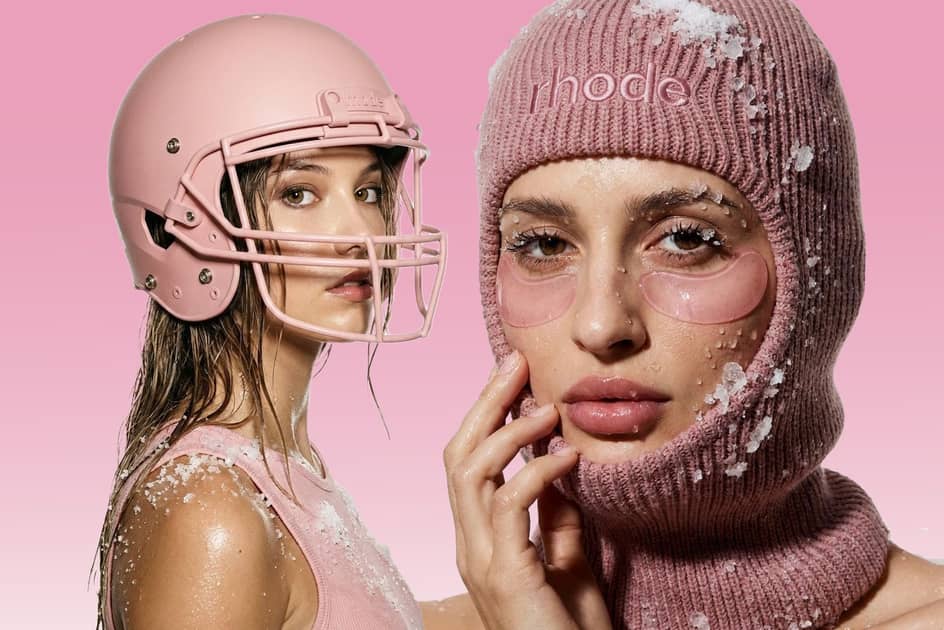
Interestingly, some AI-driven content stems from grassroots movements. A recent viral trend saw users create AI-generated images of themselves mimicking the aesthetic of Hailey Bieber’s cosmetic line, Rhode. This trend highlights the blend of technology and creativity that characterizes today’s beauty landscape.
The Impact on Beauty Standards
Beyond the economic implications for influencers, there are deeper societal concerns. Observers note that AI avatars, often featuring flawless facial structures, may exacerbate unrealistic beauty standards. Reports indicate that plastic surgeons are receiving client requests for alterations to resemble these AI-enhanced appearances, further complicating the quest for self-acceptance.
Conclusion: Staying Informed
As the influencer landscape evolves, it’s crucial for consumers to remain discerning. While AI influencers may offer innovative marketing opportunities, they also challenge our perceptions of beauty and authenticity. By staying informed and questioning endorsements, you can make better decisions about the products you choose to support. Always prioritize transparency and seek out authentic voices in the beauty community to guide you on your wellness journey.