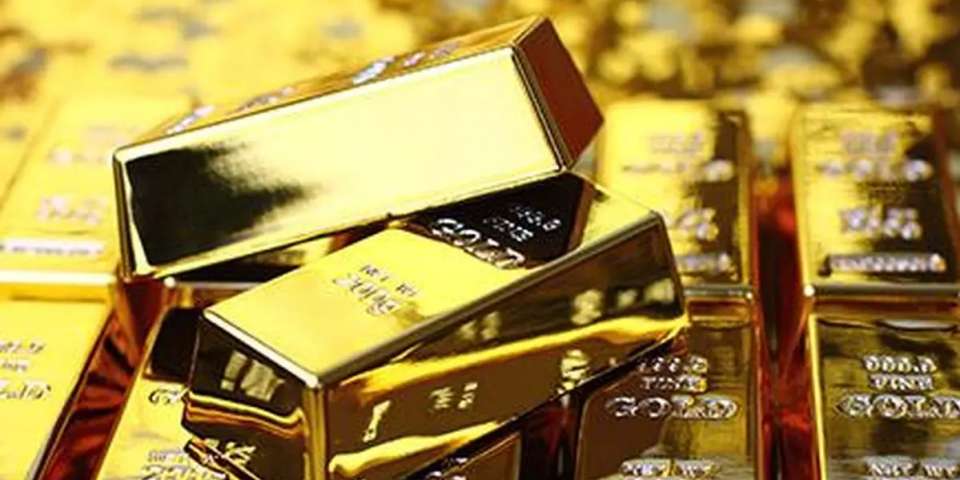
Gold Imports and India’s Trade Balance: The Need for Structural Reform
India’s relationship with gold is profound and multifaceted, significantly influencing the nation’s trade dynamics. The recent trends in gold imports have sparked discussions about their impact on India’s trade balance. In this context, it is essential to adopt a more proactive and strategic approach rather than merely reacting to current circumstances. This article explores the implications of gold imports and highlights the necessity for structural reforms in trade policy.
The Impact of Gold Imports on Trade Balance
India is one of the largest consumers of gold globally, with imports largely driven by cultural significance and investment demand. This substantial influx of gold affects the nation’s trade deficit. As gold imports rise, they contribute to a widening trade gap, which can adversely affect the value of the Indian rupee and overall economic stability.
Current Challenges
- Volatility in Global Markets: Fluctuations in gold prices on the international market can lead to unpredictable trade balances.
- Increasing Demand: The persistent demand for gold creates pressure on India’s foreign exchange reserves.
- Import Dependency: A reliance on gold imports makes the economy vulnerable to external shocks.
The Need for Structural Reform
To mitigate the challenges posed by gold imports, India must move away from reactive policies geared toward short-term fixes. Instead, a shift toward structural reforms is crucial. This could include:
- Diversification of Investments: Encouraging alternative investment avenues can reduce dependency on gold.
- Strengthening Domestic Production: Enhancing local jewelry manufacturing and promoting gold recycling can reduce import pressures.
- Enhancing Financial Literacy: Educating consumers about investment options beyond gold can shift demand patterns.
The Role of Government and Policy Makers
Government intervention plays a pivotal role in this transformation. Policy makers need to implement strategies that stabilize the gold market while fostering a more resilient economy. Regulations that incentivize the development of the domestic market for gold and other assets can protect the trade balance and support sustainable growth.
Conclusion
The interplay between gold imports and India’s trade balance is complex, necessitating a strategic rather than a reactive approach. By embracing structural reforms, India can navigate the challenges of gold imports while bolstering its economic foundations. The future of the nation’s trade balance depends on such proactive measures that seek long-term stability and growth.