Navigating the World of Fitness Trackers: A Focus on Whoop MG and 5.0 Bands
As the market for consumer fitness trackers expands with a plethora of devices, the challenge intensifies for individuals seeking the ultimate wellness companion. Although I’ve relied on my Apple Watch for some time, the rising popularity of Whoop fitness trackers has piqued my curiosity. Renowned among fitness professionals, including the team at Men’s Health, Whoop has recently introduced the MG and 5.0 bands, prompting me to explore their functionality in everyday fitness life.
In this article, I’ll share insights into the Whoop MG based on my experience, covering usability, app navigation, and whether this device stands up to traditional smartwatches as a daily fitness companion.
Whoop MG: Design and Usability
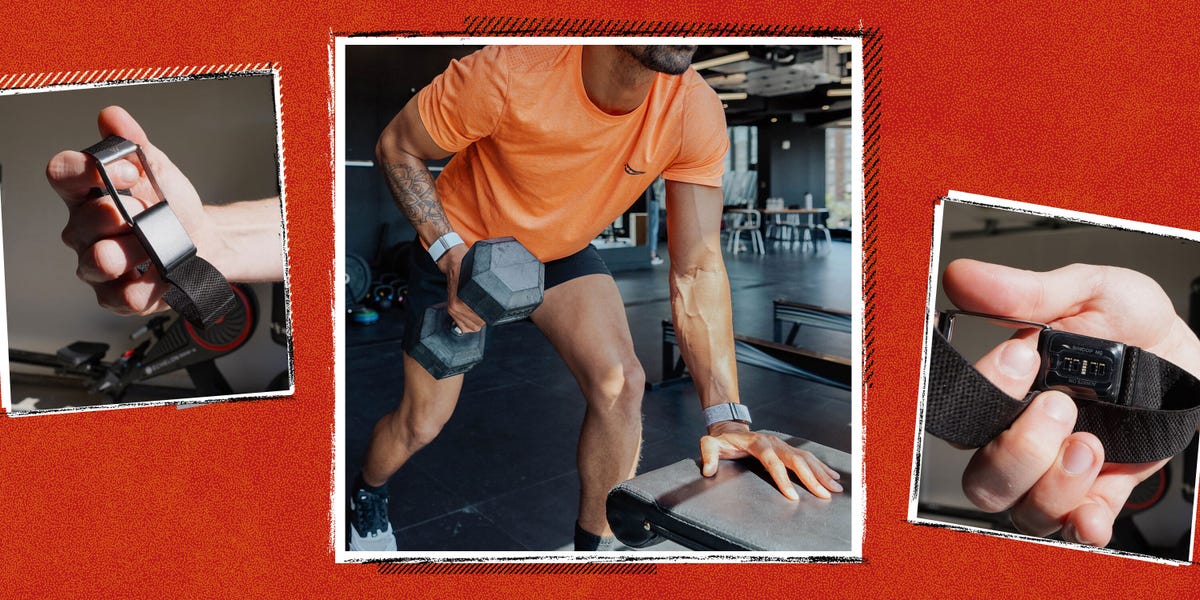
The Whoop MG features a sleek, understated design, with a smaller sensor housing compared to earlier models. The default fabric strap offers comfort and is easy to adjust. Pairing the band with my iPhone was seamless, and I appreciated its consistency in maintaining a connection throughout my testing period. It sits snugly on the wrist, allowing for freedom of movement during workouts without catching on sleeves.
One noticeable difference coming from an Apple Watch is the lack of a display. While I initially missed the ability to check the time or monitor metrics at a glance, I found that the absence of a screen encouraged me to remain focused on my workout rather than getting distracted by notifications. Instead, the band collects data in the background, which is available for review later in the app.
One of the standout features of the MG is its impressive battery life, lasting up to 14 days. Throughout my usage, I rarely found myself needing to recharge it, a significant advantage for active individuals. On the Life membership plan, the band includes a wireless battery pack for quick, on-the-go charging without removing the sensor.
Navigating the App and Whoop Coach
The Whoop app is your hub for tracking a wide range of metrics, including Sleep, Recovery, and Strain. Upon opening the app, you’re presented with these three core metrics, allowing you to dive deeper into detailed charts and trends. It may seem overwhelming compared to the simple ring system of the Apple Watch, but it offers a more comprehensive picture over time.
The first few days of using Whoop require some commitment to fully set up your profile and preferences. While you may take time before seeing benefits from features like Healthspan, which assesses your “Whoop Age,” the effort is worthwhile for motivated users.
For instance, after several weeks of continuous data collection, I learned that my “Whoop Age” was slightly older than my actual age—a reminder to focus on improving my sleep and activity levels. This feedback can be both motivating and slightly stressful, especially if you’re currently not at your peak fitness.
The app’s dashboard is user-friendly, featuring color-coded metrics and a Daily Outlook powered by Whoop Coach, which provides personalized recommendations to enhance your daily routine. Basic advice often encourages good practices like maintaining a regular sleep schedule, proper hydration, and stress management techniques. This offers practical, actionable guidance for anyone looking to enhance their wellness.
Training and Strain Tracking
During workouts, the Whoop MG is so lightweight that it often disappears from my consciousness. Its activity detection is excellent; it logs various workouts autonomously based on heart rate and movements. From weightlifting sessions to casual family activities, the device accurately reflects daily exertion levels.
The Strain metric measures how hard your body is working during physical activities, directly influencing your recovery score. So, if you’re easing into your fitness routine, Whoop will encourage you to increase your activity levels to strike a better balance. This kind of analysis provides valuable insights and can guide you in setting achievable fitness goals.
Subscription Model and Features
A distinguishing aspect of the Whoop experience is its subscription model. You essentially receive the hardware for free but commit to a membership for ongoing use. Subscriptions come in three tiers:
- Whoop One ($199 annually): Basic tracking with up to five days of battery life.
- Whoop Peak ($239 annually): All features of Whoop One, with extended battery life and additional tracking capabilities.
- Whoop Life ($359 annually): The complete package, including top features and the advanced MG hardware.
For those accustomed to traditional smartwatches like Apple’s, this annual payment model might initially seem daunting. However, for fitness enthusiasts who value detailed analytics and long battery life, Whoop presents a compelling case.
Conclusion
Incorporating the Whoop MG into my daily routine has enhanced my understanding of how various factors—such as sleep, stress, and activity levels—interact over time. While it may require a higher initial commitment regarding setup and data interpretation, the insights it provides can be invaluable for improving overall wellness.
If you’re content with basic fitness monitoring and prefer occasional alerts, a standard smartwatch may suffice. However, if you’re eager for in-depth analysis and a better perspective on your health trends, the Whoop MG is worth considering as a powerful ally in your fitness journey.
Brandon Russell is a freelance writer focused on technology and fitness gear. He draws on his rich background in journalism to provide insightful product reviews and practical advice for readers.