As generative AI tools find their place in professional media production, a significant challenge arises: how can creators ensure their AI-generated content does not unintentionally infringe on intellectual property, celebrity likenesses, or brand materials?
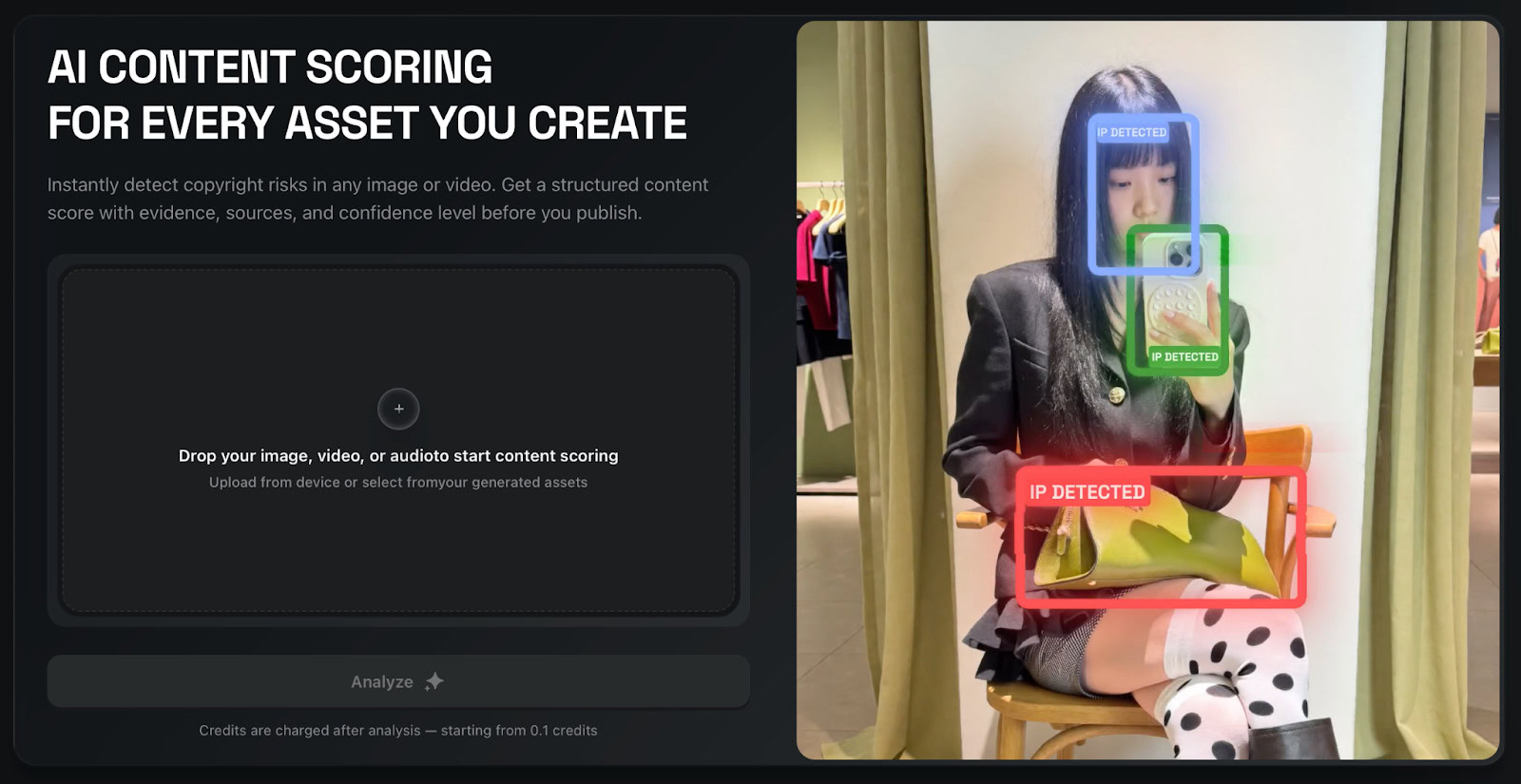
To address this concern, San Francisco-based Higgsfield, a video and image platform tailored for professional creators, has unveiled a promising solution. Today, the company announced the launch of a content-scoring feature designed for Team Plan customers. This tool evaluates AI-generated content and flags any visual similarities to celebrity likenesses, characters, brand logos, and other protected intellectual property.
The Challenge at Hand
The generative AI sector is still in its infancy, prompting creators, marketers, and independent filmmakers to approach these tools with responsibility. As AI-generated content increasingly appears in high-profile festivals and professional projects, the discourse has shifted from whether to embrace AI to how to utilize it without encountering legal and ethical pitfalls.
Despite the rapid adoption of these technologies, the absence of standardized safeguards remains a hurdle for broader commercial application. Higgsfield’s innovative tool aims to bridge this gap, providing creators with an effective means to evaluate their outputs prior to final production.

The content-scoring feature assigns a similarity score to evaluated content, aiding users in identifying potential conflicts. According to the company, this system offers a nuanced approach compared to existing market solutions, providing contextual insights about flagged items.
Specifically, the feature assesses content against various categories of protected material, including:
– Characters from popular movies, television, and video games (e.g., Harry Potter, Spider-Man)
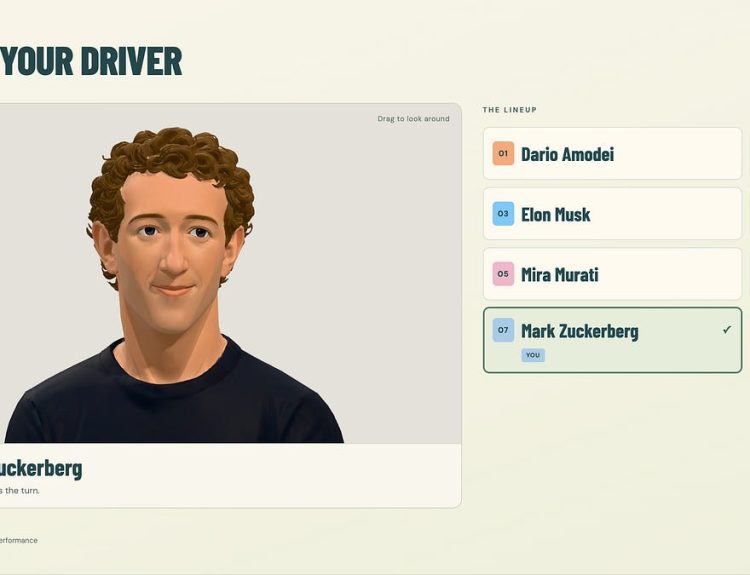
– Likeness of public figures, encompassing stylistic alterations that may present a celebrity in unique forms or with concealing props
– Brand logos and textual assets, such as trademarked phrases
– Renowned artworks and distinctive visual concepts
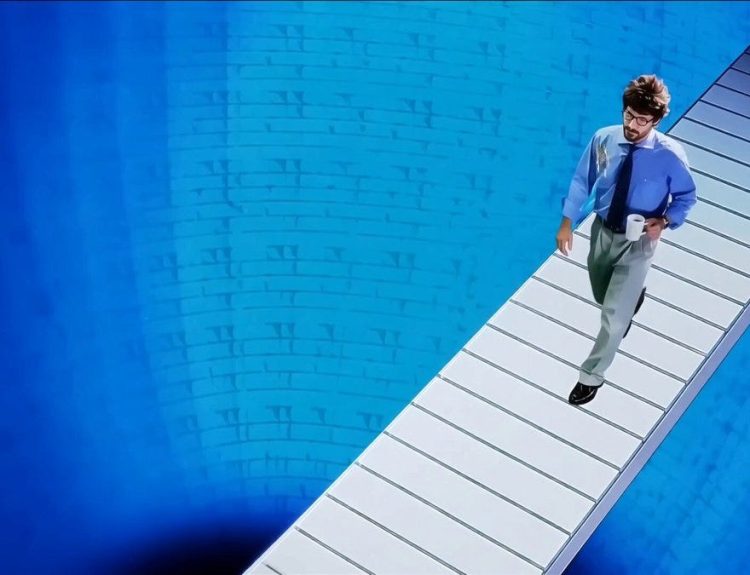
– Cinematic signatures, including recognizable visual styles linked to specific directors or films (e.g., Wes Anderson, Denis Villeneuve, Alfred Hitchcock)
– Audio content, such as music and other sound elements featured in video outputs
When a similarity is detected, the tool clarifies the nature of the resemblance, identifies the potential rights holder, and pinpoints the exact location of the similarity within the video.
Expanding on Broader Efforts
The content-scoring feature complements another recent introduction from Higgsfield: the “Soul Cast,” an image model that limits image reference uploads to reduce the risk of generating someone else’s likeness. Together, these tools underscore the company’s dedication to responsible AI development.
“Generative video is still an unexplored territory, and studios, platforms, and policy experts are grappling with the complexities of intellectual property and likeness,” stated Higgsfield CEO Alex Mashrabov. “By activating our content-scoring feature, we provide creators a practical way to evaluate their outputs before final production. We believe proactive tools like this will soon be standard within the generative AI ecosystem.”
A Commitment to Ethical AI
Higgsfield positions this new feature as part of a broader commitment to the ethical and responsible commercialization of AI. The company recently launched the Higgsfield Action Contest, boasting a $500,000 prize pool, which has attracted nearly 8,800 submissions so far. The announcement highlighted that content safety is critical to the review process along with originality and storytelling.
The company serves professional creators, brands, agencies, and marketing teams involved in high-fidelity video production at scale. Higgsfield develops its own generative video and image models while integrating leading third-party models (including OpenAI’s Sora, Google’s Veo and Nano Banana, Alibaba’s WAN, Kuaishou’s Kling, Bytedance’s Seedream, and Seedance, and MiniMax) into a cohesive production-ready workflow.
Implications for the Industry
For studios, agencies, and independent creators exploring AI-generated content, the legal framework remains unclear. Intellectual property law has yet to fully adapt to the capabilities of generative AI, and the definition of infringement in AI-generated works is still developing.
While tools like Higgsfield’s content-scoring feature won’t independently clarify these legal uncertainties, they provide creators with a means to flag potential issues early on. This approach embodies proactive risk management in an evolving landscape where the rules are still being formulated.
Ultimately, the widespread adoption of such tools across the industry may hinge on their practical effectiveness. Currently, Higgsfield offers this feature to Team Plan customers with the expressed intent of empowering creativity while respecting intellectual property.