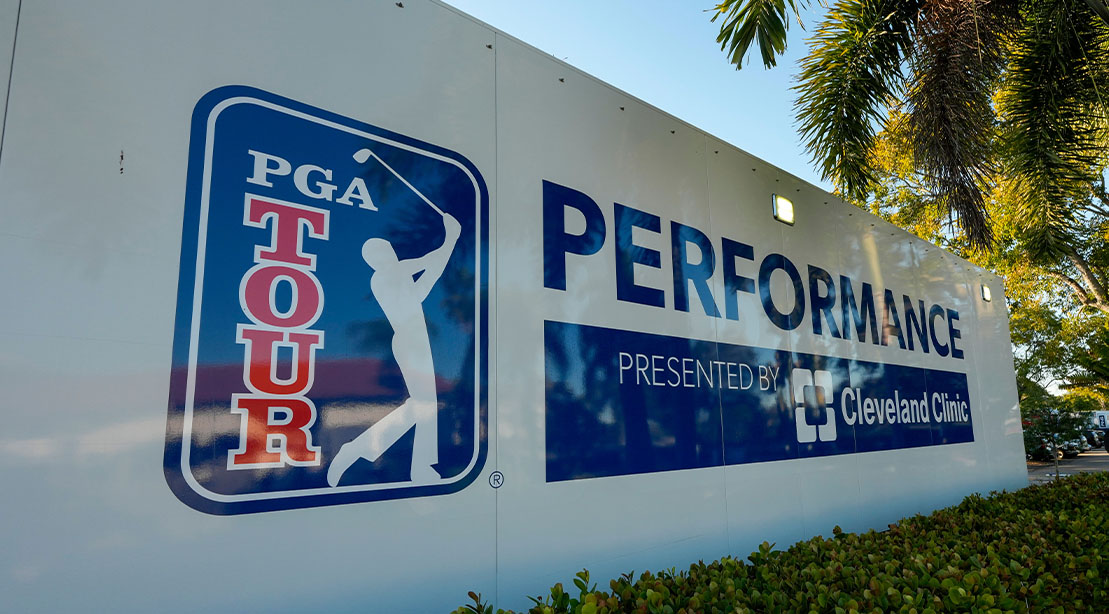
Unlocking Successful Golf Performance: The Hidden Infrastructure Behind the PGA Tour
When fans flock to a PGA Tour event, they witness picturesque fairways, competitive leaderboards, and the electrifying tension of the final round. However, what remains largely unseen are the essential preparations that take place behind the scenes: the cold plunge pools humming in the shadows, the expansive mobile gyms that spring to life before dawn, and the physical therapists preparing players for the rigors of the day.
At the heart of this intricate setup is Andy Levinson, Senior Vice President of Tournament Administration for the PGA Tour. While he may not swing a club, Levinson plays a pivotal role in transforming the way modern golfers prepare for competition.
The Role of Infrastructure in Golf Performance
In professional sports, athletes often benefit from dedicated training complexes and support staff readily available year-round. However, for golfers, who travel for over 40 weeks each year, creating a reliable support system is crucial. Levinson describes his responsibilities as overseeing player health and fitness, mental health programs, nutritional support, and other essential resources provided on-site.
“Being a traveling circus,” as he puts it, requires a consistent approach to athlete care, ensuring that each tournament site offers the same high-quality support as an elite training facility.
Evolution of the Player Performance Center
The PGA Tour’s commitment to athlete wellness began in the 1980s with a single truck offering physical therapy services. Over time, this evolved into a more comprehensive system, introducing two modern trailers: one dedicated to physical therapy and chiropractic services, and the other functioning as a fully equipped fitness center. Each week, these trailers are staffed with trained medical professionals, ensuring athletes receive the care they need.
Additionally, a “Recovery Center” was introduced, featuring light weights, resistance bands, stretching areas, cold plunge pools, and an infrared sauna. This facility plays a vital role in preparing athletes before competition and aiding their recovery afterward.
Embracing Modern Health Strategies
Recognizing golf as a physically demanding sport similar to contact sports, the tour helps athletes remain mindful of their physical health. The arrival of players like Tiger Woods marked a turning point, emphasizing fitness as a priority among golfers.
Today, players tailor individual training regimens that include strength training, flexibility exercises, and recovery strategies. Such attention to preparation is no longer an optional pursuit; it’s a vital infrastructure component.
Revolutionizing On-Site Healthcare with Cleveland Clinic
To further enhance player health, the PGA Tour partnered with the Cleveland Clinic, bringing advanced medical services directly to tournaments. Athletes now have access to dermatological screenings, cardiac evaluations, and musculoskeletal analyses on-site, a convenience not always available in golf.
These assessments help players better understand their health status and developed personalized strategies for performance enhancement, marking a significant leap forward in the care offered to athletes.
Longevity in the Game
Golf careers are often extended thanks to strategic preparation. Unlike conventional contracts in other sports, golfers’ continuance relies on their performance year after year. As Levinson notes, successful athletes prioritize physical conditioning, nutrition, and mental well-being.
The modern Tour athlete embodies this triad of health, further exemplified through Levinson’s commitment to meeting the players’ needs and fostering a culture of well-being throughout the Tour.
A Vision for the Future
Levinson’s journey into constructing this infrastructure began unintentionally. Initially involved in sponsorship management, he identified crucial gaps in athlete care that needed addressing. Over time, with contributions from medical experts and feedback from players, the program evolved into an extensive support system, culminating in an environment where healthier athletes thrive.
As technology advances, the integration of data analytics and artificial intelligence will continue shaping the way players analyze their performance, allowing them to train smarter, not just harder.
Conclusion
While the glamour of professional golf is apparent on the course, the unsung heroes behind the scenes—like Andy Levinson—are crucial in providing the resources necessary for success. The rigorous preparations, advanced healthcare partnerships, and tailored training regimens combine to create a system that prioritizes athlete well-being. As players look to the future, they carry the advantage of extensive support, allowing them to maximize their potential and enjoy longer, healthier careers. Golf success may begin with skill, but true excellence is built on a foundation of preparation, recovery, and support.