The Evolution of Cosmetic Outsourcing: Insights from Leading Players
In the past two decades, the cosmetic industry has experienced significant growth, particularly within the perfume sector. This expansion has led to a heightened demand for outsourced services among various brands, from newcomers in the beauty and lifestyle realms to well-established luxury labels. These companies often seek external support to meet their production and distribution needs, emphasizing the importance of flexibility and expertise in the fast-paced market. Below, we explore how industry leaders are adapting to these demands.
Arcade Beauty: From Samples to Full-Scale Production
Arcade Beauty has positioned itself as a key player in the cosmetics industry, specializing in perfume sampling. In 2024, they enhanced their operations by acquiring the Yves Rocher industrial site in Brittany. According to Carl Allain, President of the Arcade Beauty group, this acquisition broadens their capabilities beyond sampling to include a full range of products.
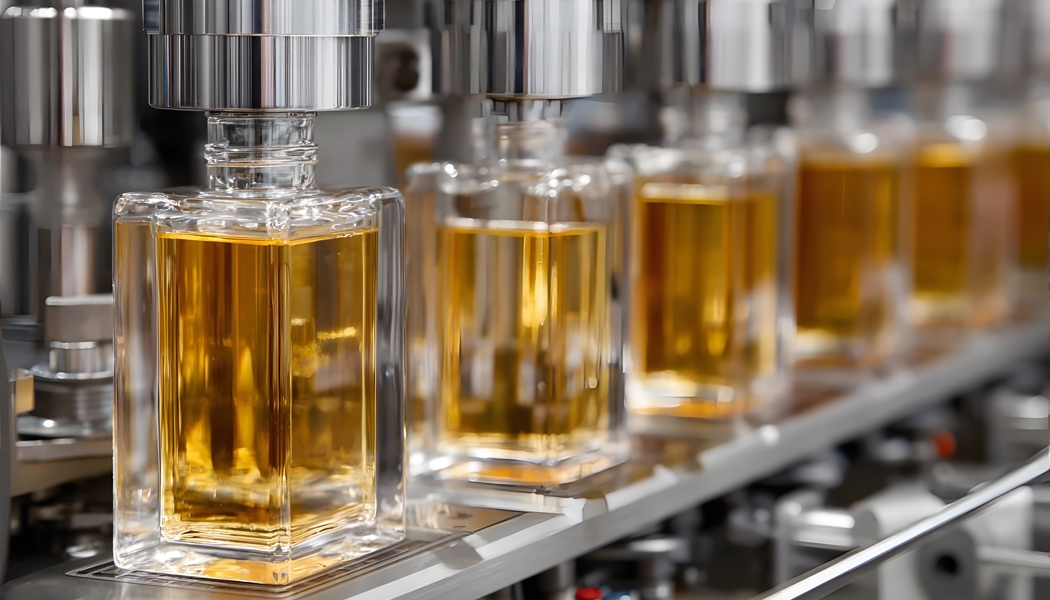
This facility is equipped with comprehensive production tools, such as maceration, mixing, and quality control, which are vital for efficient manufacturing. “We pride ourselves on offering flexible solutions to the entire perfume market, including rapidly growing segments like Hair and Body Mists,” says Allain. Currently, the Brittany site can produce 60 million units annually, with ongoing production primarily for Yves Rocher under a five-year agreement.
With facilities in France and a production site in New Jersey, Arcade Beauty aims to achieve a balanced revenue stream from both sampling and retail products. At present, the sampling segment constitutes 70% of their business. Allain states, “We can provide a diverse range of products, from 1 ml samples to 500 ml full-sized items, with a significant emphasis on travel sizes that are currently in high demand.”
Lalique Beauty Services: A Commitment to Excellence
Another notable player in the industry is Lalique Beauty Services, which transformed the former Nina Ricci site in Ury, near Paris, into a state-of-the-art production facility. Initially aimed at supporting their own brands, they have recently opened their doors to partner brands. Baptiste Claeys, Deputy CEO, notes, “We opted for outsourcing when we realized our additional capacity, which now accounts for 35% of our business, with aspirations to reach 50%.”
Lalique Beauty Services offers a comprehensive range of support throughout the entire perfume production process. Their facilities can handle everything from component reception to quality control, focusing on maintaining rigorous standards in both Europe and the Middle East.
“We produce fragrances across various production lines for sizes ranging from 5 ml to 300 ml, including ultra-luxury items crafted from Lalique’s crystal glass—a hallmark of excellence in craftsmanship,” Claeys explains. The site consistently produces around 10 million items annually while maintaining additional capacity to meet surges in demand.
Claeys acknowledges that the outsourcing market is becoming increasingly competitive, with many major brands choosing to bring production back in-house. “We aim to enhance our status as a leading industrial partner in the perfume sector while actively seeking new collaborations both in France and globally,” he adds.
Conclusion
As the beauty and perfume industries continue to evolve, companies like Arcade Beauty and Lalique Beauty Services show how outsourced manufacturing can adapt to ever-changing demands. Their commitment to flexibility, quality, and building strong partnerships positions them as essential allies for brands seeking to navigate the complexities of the modern market. Whether you’re a startup or an established label, collaborating with these industry leaders can provide the support needed to thrive in an increasingly competitive landscape.