Recent revisions to SNAP (Supplemental Nutrition Assistance Program) food benefit regulations are poised to significantly impact shoppers in various states. These forthcoming changes center on restricting purchases of specific food items, aimed at promoting healthier food choices among SNAP recipients.
As of January 1, several states initiated new guidelines that prohibit purchases of soda, energy drinks, candy, and other snacks for individuals receiving SNAP assistance. According to the Department of Agriculture, a total of 22 states are slated to enforce additional restrictions beginning in 2026.
While certain regulations have already taken effect, others will be implemented later this year, with some not expected to take place until 2027 or 2028, as advised in federal government notifications. During the 2024 federal fiscal year, approximately 42 million Americans, constituting about 12% of the U.S. population, depended on SNAP benefits each month, according to Department of Agriculture statistics.
The new restrictions are part of an initiative by Health and Human Services Secretary Robert F. Kennedy Jr. aimed at promoting healthier food consumption in the United States. Alongside advocating for skepticism toward vaccine mandates, Kennedy has highlighted the necessity of curbing certain food ingredients, such as sugar and harmful food dyes.
To enact these changes, individual states were required to petition the federal government for waivers to alter existing SNAP purchase guidelines. The effectiveness of these restrictions in improving the health of SNAP participants remains uncertain, as many shoppers and retailers have yet to receive detailed lists specifying which products will be deemed ineligible for purchase using SNAP funds. The Food Research and Action Center (FRAC) expressed concerns in a blog post last December.
In Iowa, for example, the changes specify that products like vitamins and minerals, as well as candy-coated items, will no longer be eligible for purchase with SNAP benefits. FRAC noted, “The items list does not provide enough specific information to prepare a SNAP participant to go to the grocery store.”
Key Takeaways
- 22 states plan to enforce new SNAP restrictions starting in 2026.
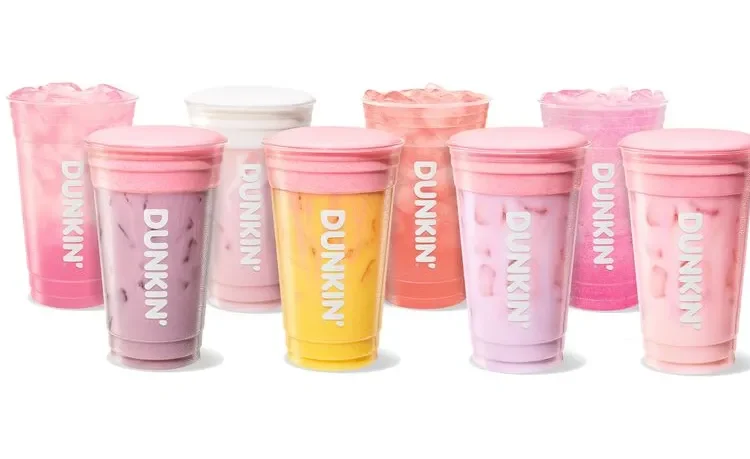
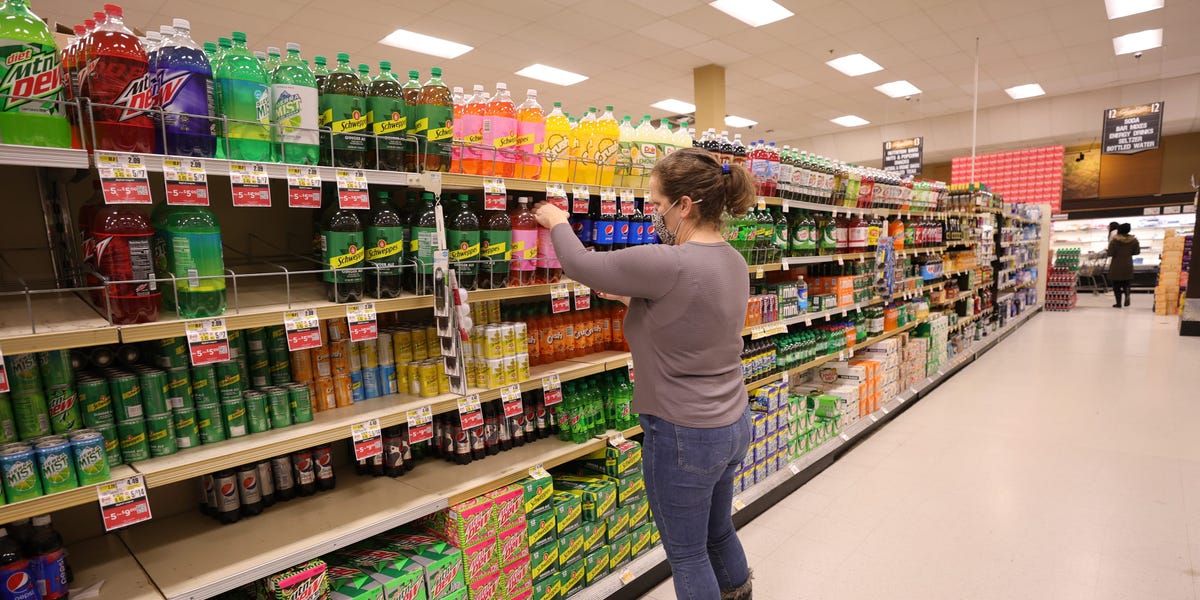
- Restrictions include bans on sodas, energy drinks, and candy.
- Changes are part of a broader health initiative led by Secretary Robert F. Kennedy Jr.
- Implementation timelines vary; some rules won’t be enacted until 2027 or 2028.
- Shoppers and retailers may not receive comprehensive information about eligible products.
New SNAP Rules by State
Arkansas
Beginning July 1, restrictions will apply to purchases of sodas, “unhealthy drinks,” beverages containing less than 50% natural juice, and candies.
Colorado
In Colorado, buyers will be prohibited from using SNAP funds to purchase soft drinks starting on April 30.
Florida
In Florida, SNAP recipients will face limitations on soda, energy drinks, candy, and prepared desserts starting on April 20.
Hawaii
Hawaii will limit purchases of soft drinks for SNAP users beginning on August 1.
Idaho
In Idaho, restrictions on soda and candy were enacted for SNAP recipients starting on February 15.
Indiana
In Indiana, restrictions on soft drinks and candy purchases were to be implemented on January 1.
Iowa
Iowa, which enacted changes on January 1, now specifies that all “taxable food items” are restricted. This includes sodas, candy-coated items, vitamins, chewing gum, and drinks that contain 50% or less fruit or vegetable juice, per notifications sent to recipients.
Kansas
Kansas is set to prohibit SNAP purchases of candy and soft drinks starting on February 15, 2027.
Louisiana
Louisiana’s SNAP rules have already restricted purchases of soft drinks, energy drinks, and candy since February 18.
Missouri
In Missouri, new restrictions will begin on October 1, affecting the purchase of candy, prepared desserts, and “certain unhealthy beverages.”
Nebraska
SNAP users in Nebraska have faced restrictions on soda and energy drinks starting on January 1.
Nevada
In Nevada, as of February 1, 2028, candy and sugar-sweetened beverages will be restricted for SNAP recipients.
North Dakota
Beginning on September 1, North Dakota will limit purchases to exclude soft drinks, energy drinks, and candy.
Ohio
Ohio will prohibit the purchase of sugar-sweetened beverages using SNAP benefits effective October 1.
Oklahoma
Starting on February 15, Oklahoma shoppers using SNAP will see fresh restrictions on soft drinks and candy.
South Carolina
In South Carolina, beginning on August 31, candy, energy drinks, soft drinks, and sweetened beverages will face new SNAP purchasing restrictions.
Tennessee
On July 31, Tennessee will impose restrictions on the purchase of processed foods and beverages, including soda, energy drinks, and candy.
Texas
Texas will enforce new rules starting on April 1, limiting purchases of sweetened drinks and candy for SNAP users.
Utah
Utah has restricted the purchase of soft drinks for SNAP beneficiaries as of January 1.
Virginia
Virginia will impose restrictions on “sweetened beverages” for SNAP users beginning on April 1.
West Virginia
Restrictions on soda purchases for SNAP shoppers in West Virginia began on January 1.
Wyoming
As of February 1, 2027, Wyoming will prohibit SNAP recipients from using their benefits to purchase sugar-sweetened carbonated drinks.
FAQ
What is SNAP?
The Supplemental Nutrition Assistance Program (SNAP) provides food benefits to eligible low-income individuals and families, helping them afford nutritious food.
What types of items are being restricted?
New restrictions primarily target purchases of sugary drinks, energy drinks, candy, and certain prepared desserts.
When will these changes take effect?
The proposed restrictions vary by state, with some effective immediately and others scheduled for future implementation from 2026 to 2028.
How will these changes affect SNAP users?
These changes may limit the availability of certain products for SNAP recipients, influencing their purchasing options in stores.
Why are these changes being made?
The changes are aimed at encouraging healthier eating habits among SNAP participants by restricting access to high-sugar foods and beverages.
In conclusion, as states begin to implement these new restrictions on SNAP purchases, the conversation surrounding food benefits and healthier choices continues. These regulations highlight an ongoing commitment to promoting better dietary habits while also underscoring the need for clear communication to affected shoppers.