The Evolving Landscape of Beauty Advertising: Have Male Ambassadors Arrived to Stay?
The world of beauty advertising is undergoing an exciting transformation, moving beyond traditional influencers and models to embrace a diverse array of ambassadors, including male celebrities. This trend is reshaping how beauty brands communicate with their audience, offering innovative marketing strategies and fresh perspectives.
A Bold Move by MAC Cosmetics
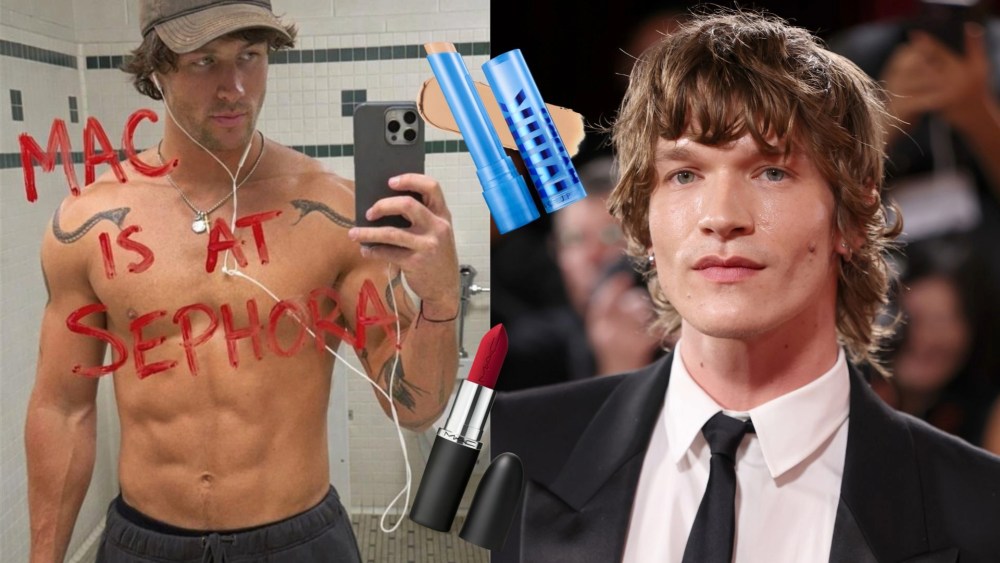
In a surprising shift from the usual celebrity endorsements, MAC Cosmetics recently launched its Sephora campaign featuring Rob Rausch, a reality TV star known for his recent victory on “The Traitors.” Instead of following the conventional route of using A-list personalities or beauty influencers, MAC showcased Rausch in a striking Instagram post where he posed shirtless in front of a mirror with the tagline “MAC is at Sephora,” written in the iconic Ruby Woo red lipstick. This unconventional choice was strategic: within three days, the campaign garnered nearly 8 million impressions across various social media platforms and expanded the brand’s reach with a billboard ad in Times Square.
The Rise of Male Ambassadors in Beauty
The use of male celebrities in beauty marketing isn’t just a one-off stunt. This trend reflects a broader strategy among beauty brands to tap into the male demographic while also appealing to their core female audience. Recent examples abound:
- At the Golden Globes, Milk Makeup featured Connor Storrie to promote their upcoming Hydro Grip Gel Concealer.
- Ulta Beauty showcased Gen-Z male influencers such as Tyriq Withers and Jeremiah Brown, positioning them casually with Ulta shopping bags.

Harris Dickinson for Rhode.
In June 2025, the beauty brand Rhode selected Harris Dickinson, a rising star from the show “Babygirl,” to promote its Glazing Mist. Earlier that year, L’Oréal Paris appointed Formula 1 driver Carlos Sainz as the global ambassador for its Elvive hair care line.
The Strategic Shift Explained
Brand strategist Jemma Wu highlights the significance of this trend: “Beauty brands are shifting towards male ambassadors to engage the female gaze, creating a blend of entertainment, fandom, and social media virality.” This approach not only creates buzz but also fosters community engagement as audiences are encouraged to discuss, share, and meme the content.

Carlos Sainz for L’Oréal Paris.
The campaigns often take a lighter approach. For example, actor KJ Apa, in his musician persona Mr. Fantasy, featured in a fun and vibrant campaign for Gorgie, a clean energy drink brand. His involvement illustrated the brand’s playful side while further broadening its appeal.

KJ Apa/Mr. Fantasy for Gorgie.
Wu notes, “With so many internet-famous men rising to prominence, and beauty content becoming more snackable and engaging, this strategy is a perfect fit for driving audience interaction.”
Conclusion
The beauty advertising landscape is rapidly evolving, with male celebrities rising as prominent brand ambassadors. This shift not only diversifies marketing strategies but also embraces the changing dynamics of audience engagement, paving the way for a more inclusive and entertaining approach to beauty. As brands continue to innovate, it will be fascinating to see how they blend traditional and contemporary elements to connect with their evolving audience.