Iran Conflict Disrupts Key Commodity Markets
The ongoing conflict involving Iran is creating substantial ripples in global commodity markets. From oil to food supplies, metals, and precious metals like gold, the war is negatively impacting various sectors, causing prices to fluctuate dramatically.
Impact on Oil Prices
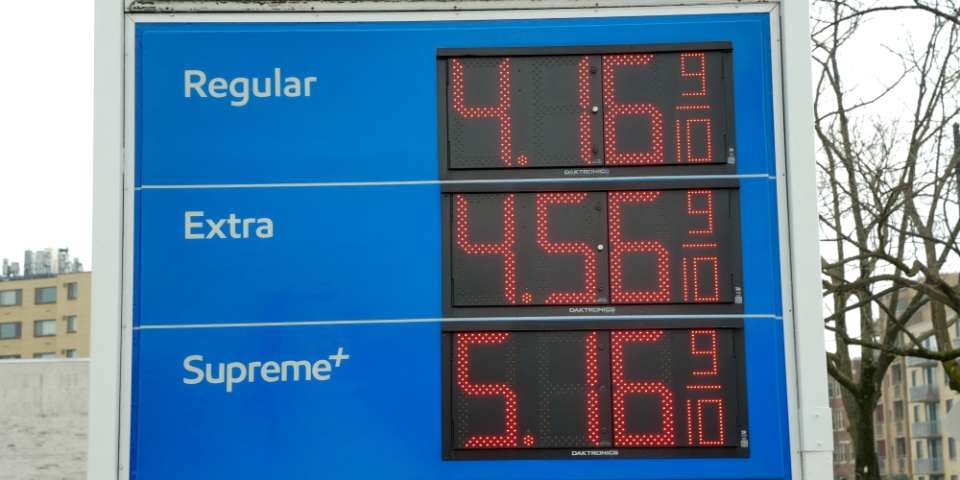
Oil has been one of the most affected commodities. As tensions escalate, production and distribution are increasingly threatened, resulting in a spike in prices. Investors are closely watching the situation, anticipating further disruptions that could affect not only regional supplies but also global markets.
Food Supply Concerns
The war is also raising alarms over food supplies, particularly in regions that rely on imports. Iran’s agricultural sector, already strained, faces additional challenges from the conflict. As a result, food prices are experiencing upward pressure, potentially leading to shortages in various markets.
Metals Market Uncertainty
Similarly, the metals market is feeling the effects of the ongoing conflict. Disruptions in supply chains are causing fluctuations in prices for critical metals needed in various industries. Investors are wary, knowing that the instability could linger for an extended period, impacting production and availability.
Gold: A Safe Haven
In times of geopolitical uncertainty, gold is often viewed as a safe haven for investors. As tensions rise, many are turning to gold as a protective measure against market volatility. This shift is likely to cause gold prices to increase as demand rises amidst the uncertainty.
Conclusion
The Iranian conflict is having a profound impact on global commodity markets. With significant repercussions for oil, food, metals, and gold, investors and consumers alike must stay vigilant and prepared for ongoing volatility in these essential sectors.