March 8, 2026, 7:00 a.m. ET
Lentils might not enjoy the limelight like other trendy superfoods, yet these small legumes have provided nourishment to humanity for millennia. Recent scientific insights suggest that they warrant greater recognition.
“Lentils are packed with many essential nutrients your body requires,” states LeeAnn Weintraub, a registered dietitian and nutrition consultant from Los Angeles. “Their affordability and versatility contribute to their popularity as a smart addition to meals.” Research indicates that lentils can enhance heart health, stabilize blood sugar levels, improve digestion, and potentially reduce the risk of chronic diseases.
Despite their numerous advantages, many individuals are still unclear about what lentils are, their health benefits, and whether they can be incorporated into daily meals. Here’s what you need to know.

What are lentils?
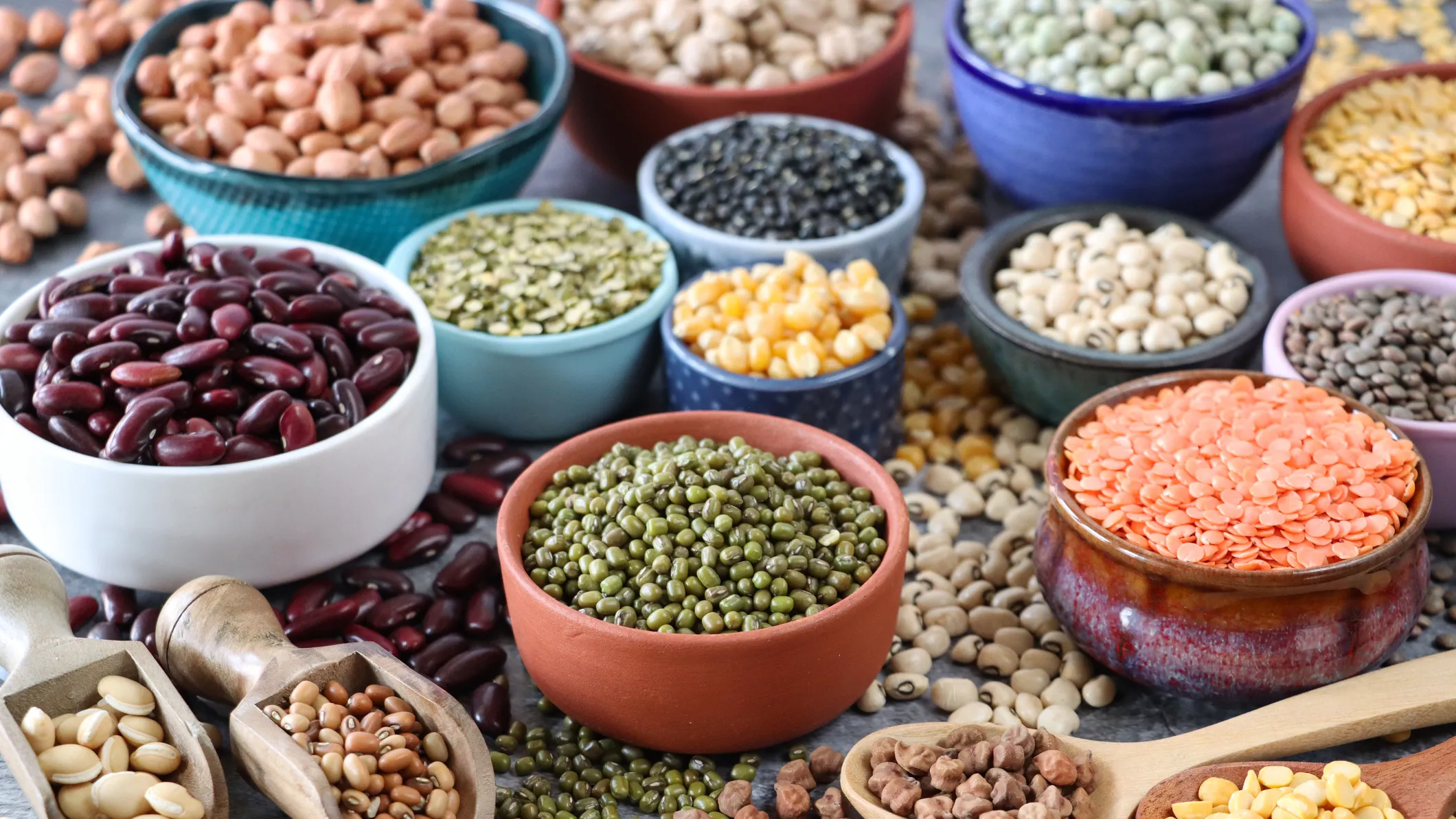
Lentils are the edible seeds of a plant in the legume family, scientifically designated as Lens culinaris. They have been grown for thousands of years across various regions, including the Middle East, Europe, Asia, and North Africa.
According to Weintraub, lentils belong to a subgroup of legumes referred to as “pulses,” which includes the dried seeds from pod-producing plants such as beans, chickpeas, and peas. “You can purchase them either whole or split,” explains Christine Palumbo, a registered dietitian and nutrition expert from Chicago. “Although there are over 50 varieties available, the most commonly sold in the U.S. are brown, green, and red.”
These various types of lentils feature unique textures and culinary applications. For example, brown and green lentils maintain their shape when cooked and are perfect for salads and side dishes, while red and yellow lentils break down into a creamy texture, making them ideal for soups, stews, and curries.
Are lentils good for you?
Research reveals that lentils are nutrient-dense and provide numerous health benefits. They contain approximately 15 to 16 grams of dietary fiber per cooked cup, which “promotes satiety and supports digestive health,” according to Weintraub. Since fiber slows digestion and carbohydrate absorption, lentils can mitigate sharp fluctuations in blood sugar levels.
With about 18 grams of plant-based protein per cooked cup, lentils supply the essential nutrients needed for tissue repair, immune function support, and muscle maintenance. This impressive blend of high protein along with fiber and a relatively low calorie count—around 230 per cup—makes lentils an ideal smart carbohydrate option that can aid in appetite control and support healthy weight management.
Additionally, lentils are rich in bioactive compounds like polyphenols that possess antioxidant and anti-inflammatory properties, potentially aiding in the fight against oxidative stress—an issue linked to aging and various chronic diseases, including certain cancers.
Furthermore, they are an excellent source of folate, providing about 45% of your daily requirement in just one cup. This B vitamin is crucial for DNA synthesis and cell division, making it especially vital during pregnancy for healthy fetal development. “Additionally, lentils are a good source of magnesium, zinc, and other B vitamins,” Palumbo adds—nutrients that support energy production, immune system health, and the functioning of nerves and muscles.
Lentils are also “rich in iron and potassium,” notes Weintraub. Potassium helps maintain fluid balance and regulate blood pressure, while iron is crucial for hemoglobin formation, which facilitates oxygen transport throughout the body and assists in maintaining energy levels.
Can you eat lentils every day?
For most individuals, incorporating lentils into a daily balanced diet is perfectly fine, though moderation and personal tolerance are essential.
Due to their high fiber content, consuming large quantities—particularly if your diet has been low in fiber—can lead to digestive discomfort. “While fiber provides numerous benefits, consuming too much at once can result in gas and bloating,” warns Palumbo. Consequently, individuals with digestive conditions like irritable bowel syndrome (IBS) should be cautious with portion sizes and gradually increase their intake.
Lentils also contain compounds such as phytates and lectins that may impede mineral absorption slightly or cause discomfort if undercooked,” says Weintraub—however, proper soaking and adequate cooking greatly reduce these compounds’ effects. Additionally, those with kidney disease should be mindful of their potassium levels, as compromised kidneys may struggle to manage potassium effectively.
As long as these considerations are taken into account, Weintraub concludes, “lentils are a straightforward and affordable food that offers a remarkable array of plant-based protein, fiber, and vital nutrients with every serving.”