The Newsletter for the Technically Curious
Welcome to our newsletter, where we share updates, tool reviews, and insights from an enthusiastic founder turned investor and eternal tinkerer. As we step into a new year, with fresh opportunities and ideas, let’s explore a fascinating journey through the world of coding, especially for non-technical individuals.
New Year Reflections
Happy New Year, everyone! Last week, I unexpectedly went viral. I had been contemplating a post on how I effectively utilize coding agents while considering myself ‘non-technical’. However, I never managed to finish it. Then, on New Year’s Eve, in a moment of spontaneity, I shared my thoughts aloud using a voice tool and published it. To my surprise, it garnered nearly 4 million impressions on X. 🤯 This post serves as a launchpad for 2026, though it may include some technical jargon that I’ve accrued over time.
This year, my aim is to assist more non-technical individuals in becoming familiar with coding. I plan to delve deeper into these topics, produce more written and recorded content, and increase my publications. My journey has led me to utilize coding agents extensively, spending 3 billion tokens in just four months, engaging with an agent that writes code I couldn’t create myself.
While some may label my approach as ‘vibe coding,’ I believe this term neglects the skills involved in the work. Similarly, the term ‘no-code’ in 2019, when I founded a no-code education company (later acquired by Zapier), seems to diminish the effort put forth in these processes.
Recent Projects
Over the past few months, I have accomplished several projects, including:
- Personal Site: I redesigned my personal website to resemble a terminal CLI tool, which surpassed my earlier attempts from this year.
- Feed: I developed a simple social tracker that monitors mentions of Factory on Twitter, alongside posts from our subreddit and GitHub issues. It’s open-source and has received over 100 stars, with several users cloning it for their own endeavors.
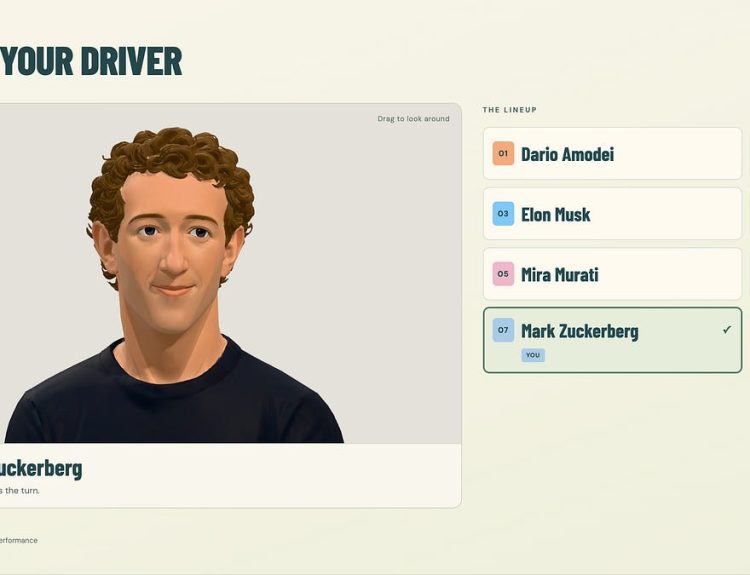
- Factory Wrapped: I created the initial version of our ‘wrapped’ product, which was well-received by the team and has been integrated into the live product.
- Custom CLIs: Numerous custom command-line interfaces (CLIs) have been constructed, such as the Pylon CLI, which the team has utilized for customer support, and others for adding tokens to accounts.
- A Crypto Tracker: I invested in a company that accurately predicts signals in dynamic data, and I created a tracker to automatically open and close positions based on these predictions, resembling a mini-hedge fund.
- Droidmas: I conducted twelve experiments or games over twelve days, exploring themes discussed on Twitter including memory and context management.
- AI-Directed Video Demo System: By providing a prompt, the system autonomously records a video while monitoring and adjusting for any issues or responses needed.
- Telegram Bot powered by Droid Exec: This bot allows me to sync my local repositories on a VPS and interact with them via a chatbot interface.
These projects, along with about 50 others, have taught me immensely about the nuances of coding and project management.
The Power of CLI
My interactions exclusively occur through a Command Line Interface (CLI). I find it to be a more capable tool compared to web interfaces, allowing me to witness the process unfold in real-time. Often, I identify an issue or opportunity for improvement that I believe could be addressed with code – a sentiment that has become second nature to me.
Building from Scratch
When starting a new project in Droid (Factory’s CLI), I engage the model in a dialogue to set the context for what I want to achieve, followed by formative questioning to develop a detailed plan. From here, I let the agent operate autonomously, observing the progress and stepping in when necessary to provide guidance.
This iterative approach allows me to learn from each obstacle I encounter, prompting me to consider whether I should develop reusable templates or refine my recording system, enhancing the efficiency of future endeavors.
Documentation and Collaboration
I’ve been diligently working on improving my agents.md documentation while ensuring that every new repository I create is equipped with clear guidelines and tips on best practices. Currently, I have a local repos folder that contains all my coding projects, and I’m making sure to install the Droid GitHub app for seamless deployment.
Learning from Others
Viewing other engineers’ agents.md files has been instrumental in enhancing my documentation. Continuous improvement is key to ensuring a smoother workflow in every new session.
Embracing Command-Line Tools
My journey into the world of CLI has progressed significantly, especially as I grasped the repetitive nature of certain tasks. By leveraging bash commands, I’ve been able to automate workflows and streamline processes effectively.
Expanding My Knowledge
Understanding the concept of a Virtual Private Server (VPS) has also become crucial. This knowledge is essential for projects that require high data accessibility and uptime.
Additionally, I’ve discovered the importance of incorporating skills like bash commands into my coding repertoire. I now possess a portable Gmail CLI for efficient project management.
Shifting Perspectives on Coding
Reflecting on the evolution of my coding practice, I no longer view it as a daunting task. Instead, I focus on mastering the use of AI agents as valuable collaborators in the development process. This perspective allows me to approach coding with curiosity and adaptability.
The Future of Coding
This new methodology reassures me that I’m part of a rapidly evolving technical community, which blurs the lines between amateur and professional coding. I am not merely ‘non-technical’ nor am I a conventional programmer; I am part of this new technical class without a defined label.
People have compared this fresh programming landscape to a game, with endless opportunities for exploration and learning. Each experiment, regardless of its outcome, contributes to a wealth of knowledge and experience.
Every idea has potential. Trial and error, coupled with quick iterations, allows for rapid learning and innovation. I find joy in being able to create prototypes within hours, moving swiftly to discard ideas that don’t resonate rather than investing extended periods into them.
Ultimately, I believe we’re on the precipice of a coding renaissance, where an explosion of software projects will emerge. Although many may not find success, the potential for impactful products is immense.
Through building ahead of my existing capabilities, I advocate for others, especially non-technical individuals, to embrace this journey into coding. With the right mindset, anyone can engage with these tools and discover their own creative potential. The essential takeaway? This is a playground for experimentation—allow yourself to play.
Final Thoughts
This entire experience has been incredibly enriching, filled with opportunities for learning and growth. If you find yourself curious or inspired by the possibilities, don’t hesitate to explore, question, and create.
If you enjoyed this newsletter, consider sharing it with a friend! Thanks for joining me on this journey, and here’s to a marvelous year ahead!