In Denver, a significant discussion unfolded regarding the potential restrictions on SNAP recipients’ ability to purchase soft drinks. The Colorado Board of Human Services has opted to postpone their decision, reflecting a broader conversation about health and nutrition accessibility for those relying on food assistance.
Discussion on SNAP Restrictions
DENVER — After hours of testimony and discussion, the Colorado Board of Human Services decided to delay their vote on whether to restrict SNAP recipients from using their food assistance to buy soft drinks.
Under the Colorado ‘Healthy Choice Waiver,’ SNAP recipients would not be able to use their food assistance to buy drinks that contain less than 50% of fruit and vegetable juice by volume. Beverages like water, milk, milk alternatives, baby formula, and self-mixing electrolyte packets would still be eligible for purchase.
The board voted 8-1 to delay the vote on the waiver until their April 3 meeting. The waiver was requested by the Colorado Department of Human Services, separate from the board, and approved by the U.S. Department of Agriculture. It now requires the Board of Human Services’ approval for implementation. Similar waivers restricting candy and sugary drinks for SNAP recipients have been approved in 21 other states.
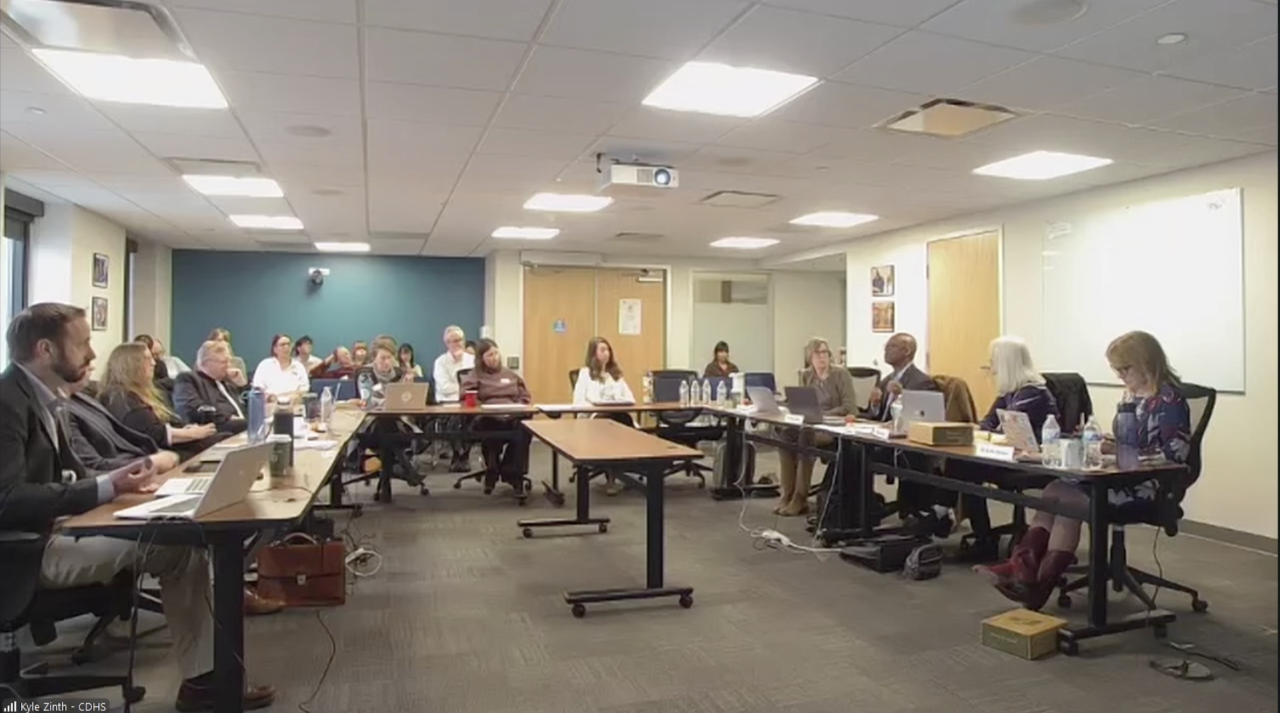
Denver7 | Zoom Meeting Recording of State Board of Human Services Meeting
Proponents argue that the waiver would promote healthier choices, while opponents contend that it would stigmatize SNAP recipients. Tamara Pogue, a board member and Summit County Commissioner, motioned to delay the consideration during Friday’s meeting, with board member Brisa Chavez supporting the motion.
“What I’m really looking for is a package of policy that doesn’t start with a ban,” Pogue stated.

Denver7 | Zoom Meeting Recording of State Board of Human Services Meeting
Pogue emphasized the need for assurances that individuals have the opportunity to make their own choices before the board makes decisions on their behalf.
“There are no surgeon general warnings on sodas that say consuming these beverages are bad for you, like, we have not made it possible for consumers to make the best choices, and that’s the piece that’s bothering me,” she said.
“So, where I am right now is I would really like to see public policy that is built on the science of prevention, which is you start with giving people education, and when that fails to work for a whole host of reasons, then you move to outright bans.”
For SNAP recipients like Kayla Frawley, who attended the meeting and voiced her opinions, the delay in the vote offered a sense of optimism.

Denver7
“This delay in vote gives me hope that… the committee members on the board really listen to community in saying, ‘Oh, we cannot implement this waiver,'” she expressed.
Dr. Mary Young, chair of the board and a member who voted to postpone the decision, mentioned her concerns revolving around research during Friday’s meeting.
“We’ve heard that there isn’t research that really shows that restricting this will bring a change in behavior,” she noted. “But we’ve clearly heard from communities who support people who receive SNAP and individuals who receive SNAP themselves that it will have an impact on them.”
“We’re not even sure, with these potential negatives, whether putting this in will have a positive impact,” she added.
Board Member Mychael Dave, who serves as vice chair, acknowledged the compelling testimonies shared and highlighted the “burden” the waiver would place on low-income individuals.
“Right now, we’re only telling poor folks about this message of restriction,” he remarked.
“I think we turn around the priority,” he suggested. “We turn around the board. Don’t put it on poor people first and make them the guinea pigs.”
Shelley Banker, director of the Office of Economic Security within CDHS, communicated to Denver7 prior to Friday’s meeting that the waiver’s implementation aligns with the state’s health goals.

Denver7
“We know that Coloradans can make choices with their own dollars and purchasing, but this aligns one with our health priorities in Colorado, and also gives an opportunity for us to long-term track some of the healthy benefits and outcomes,” she noted.
However, Frawley and other advocates believe this waiver would lead to more complications than benefits.
“It would have a gigantic impact in ways that we can’t even see,” Frawley said.
“The waiver itself is not the easiest to understand, and so you’re going to have a lot of confused community members about what they can buy and what they can’t. SNAP and WIC participants have expressed that the stigma in checking out with groceries is a significant stress factor,” Frawley explained.
Banker of OES stated that they aim to ensure consumers are informed about the impending changes, collaborating with retailers to spread the word so that Coloradans are prepared before they reach the checkout line.
Frawley also highlighted how these changes would affect her and other parents.
“Like my kid right now, he has two lacrosse practices; he’s got a Saturday game,” she mentioned. “I’m getting Gatorade.”
“Those are the simple things automatically that are taken out of our opportunity to just be dignified parents,” she added.
Dayana Leyva, senior policy and advocacy manager with Provecho Collective, formerly the Colorado Blueprint to End Hunger, resonated with Frawley’s views when she spoke with Denver7 ahead of Friday’s meeting.
“It creates just a heightened stigma,” she stated.

Denver7
Leyva suggested that the change could affect individuals with specific dietary needs that require sugary, sweetened beverages.
“These restrictions are very much one-size-fits-all, which is not an approach that works for a lot of SNAP participants,” she remarked.
Denver7 also contacted Governor Jared Polis’ office following the board’s decision to delay their vote. A spokesperson stated that Colorado’s Healthy Food Waiver would “improve nutritional options” for SNAP participants.
The statement said:
“Governor Polis is committed to increasing access to healthier foods and supporting Colorado farmers and ranchers. The Governor is appreciative of the conversation at the Board of Human Services today about the state of Colorado’s Healthy Food Waiver from USDA, and agrees with many of the points that were discussed about the need for a comprehensive approach to nutrition. The waiver is one part of a broader strategy to ensure Coloradans have access to more healthy foods and the best information possible to make healthy choices. Our approved waiver would improve nutritional options for SNAP recipients and increase access to healthy foods that are part of leading healthy lives and encouraging healthier eating, especially for Coloradans using SNAP to put food on the table.”
Denver7 also reached out to the Colorado Department of Human Services’ Office of Economic Security for comment on the board’s decision, but had not heard back by the time of publication.
If the board had approved the waiver on Friday, it would have gone into effect on April 30. Denver7 inquired with the Colorado Department of Human Services to determine if this delay affects the implementation timeline.
Frawley underscored her commitment to advocacy, stating that she will attend the April 3 meeting when the board reevaluates the waiver.
“You have to keep showing up, otherwise we risk having our benefits limited and taken away,” she concluded.
Key Takeaways
- The Colorado Board of Human Services has delayed a vote on restricting SNAP purchases of soft drinks.
- The proposed ‘Healthy Choice Waiver’ aims to limit eligible beverages to those containing at least 50% fruit or vegetable juice.
- Proponents argue for healthier choices, while opponents fear increased stigma for SNAP recipients.
- Community voices raise concerns about lack of education and potential confusion from the waiver’s implementation.
- Advocates emphasize the importance of dignity and choice for SNAP recipients in selecting their purchases.
- The board will reconvene to discuss the waiver on April 3.
FAQ
What is the Healthy Choice Waiver?
The Healthy Choice Waiver is a proposed restriction that would limit SNAP recipients from purchasing soft drinks that do not contain at least 50% fruit or vegetable juice.
When will the board make a decision on the waiver?
The Colorado Board of Human Services is scheduled to reconsider the waiver on April 3.
What drinks can SNAP recipients still purchase?
SNAP recipients would still be able to buy items such as water, milk, milk alternatives, baby formula, and electrolyte packets that can be self-mixed.
What are the community concerns about the waiver?
Many community advocates worry about confusion among SNAP participants regarding what they can and cannot purchase, along with the stigma associated with using food assistance.
Is the waiver supported by any government entities?
The waiver has been requested by the Colorado Department of Human Services and has received approval from the U.S. Department of Agriculture, but requires the Board of Human Services’ approval to be enacted.