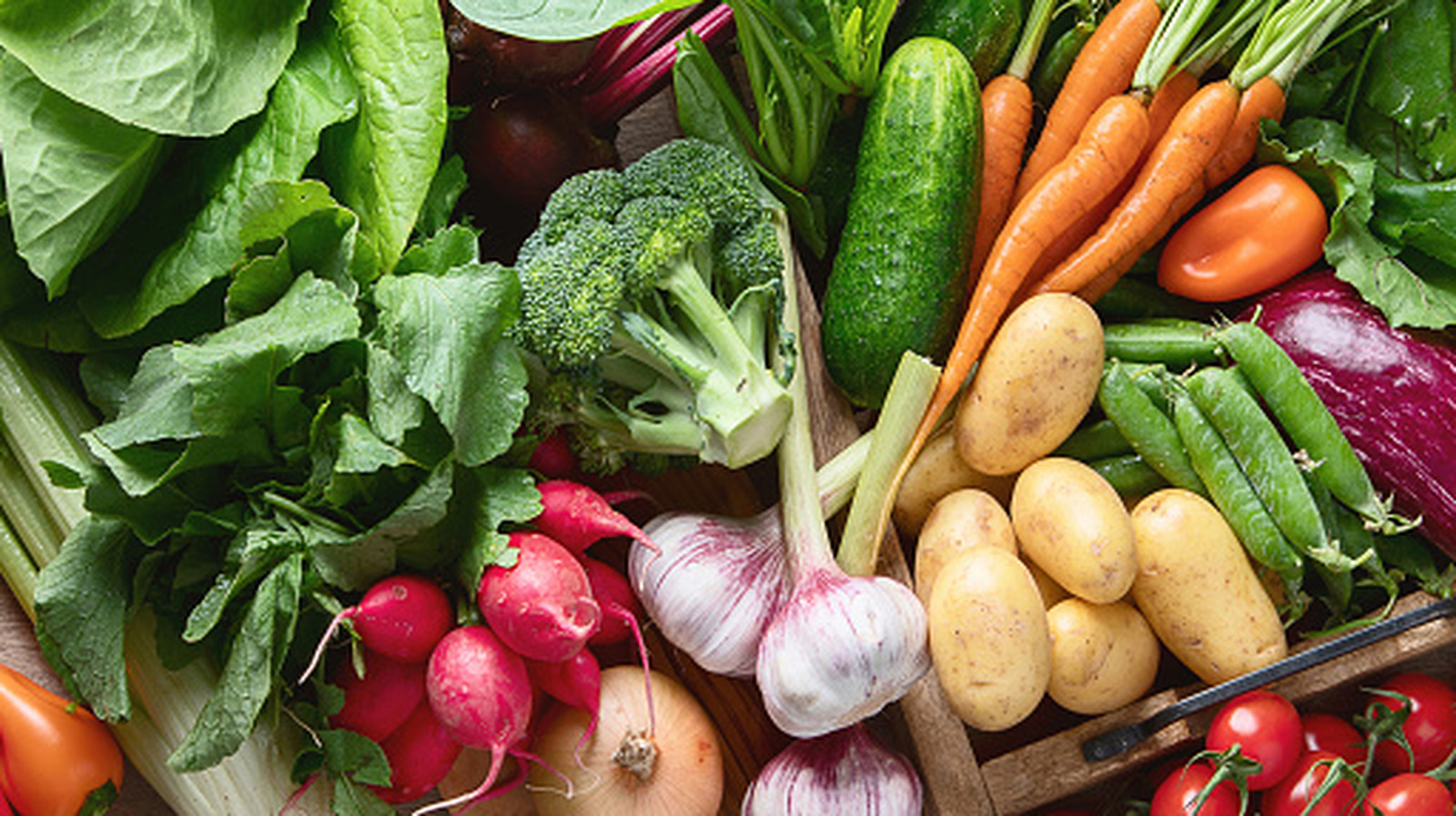
Nutritional guidelines are continually evolving, but one principle remains consistent: incorporating more fruits and vegetables is always beneficial. Yet, not all options offer the same nutritional value. While none of them are inherently bad, some stand out as true nutritional superstars. A 2014 study conducted by the Centers for Disease Control and Prevention identified one vegetable that surpasses the rest, though it might not be a regular staple in your grocery cart. To really enhance the nutrient density of your diet, consider adding more watercress.
In this study, researchers evaluated 47 different foods to determine which were “powerhouse fruits and vegetables” (PFV). Among the 41 foods examined, only one, watercress, achieved a perfect score of 100. The closest competitor was Chinese cabbage with a score of 91.99, while white grapefruit ranked lowest at just 10.47.
The study’s metrics focused on the percentage of daily recommended values for 17 different nutrients per serving of fruits and vegetables, along with the bioavailability of these nutrients. The resulting figure was divided by the food’s energy density, effectively measuring nutrient density on a per-calorie basis. This analysis demonstrated that watercress is a superb low-calorie, nutrient-rich vegetable.
What Makes Watercress So Beneficial
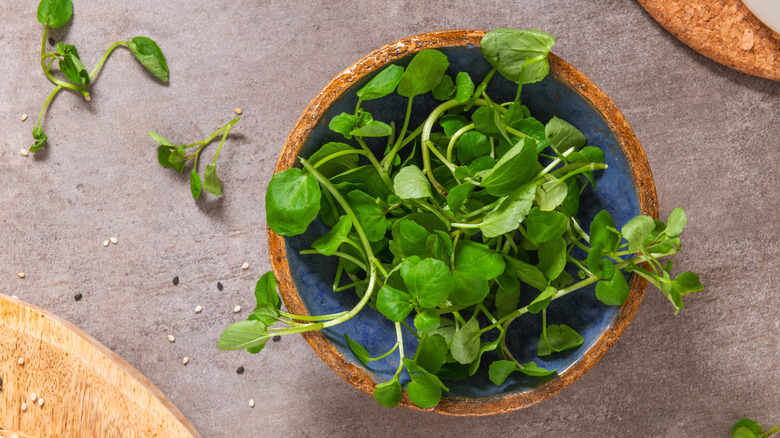
The study highlighted a focus on leafy greens, which are generally low in calories and high in nutrients. The top 16 entries on the list were predominantly various herbs and greens, including kale, parsley, and beet greens. However, none of these came close to matching watercress in terms of nutrient density. For context, the well-known nutrient powerhouse kale scored only 49.07 on the same scale. So, what exactly makes watercress so exceptionally nutritious?
Many vegetables excel in specific nutrients, but watercress stands out for its wide array of beneficial components. It boasts high levels of vitamin A, vitamin C, and vitamin K1, along with valuable amounts of vitamin B6, calcium, iron, and folate. It also contains copper, manganese, and abundant antioxidants. Additionally, watercress is rich in protein and fiber, while being low in fats and sugars. This vegetable contains a mere 11 calories per 100 grams, providing the benefits of a multivitamin in a single serving.
The study results confirm that watercress is remarkably good for health. But what do these nutrients offer? This green is known to protect the heart by lowering LDL cholesterol, enhance kidney function, and contribute to bone health by preventing osteoporosis and promoting new bone growth. Additionally, research suggests that it could assist with asthma management, safeguard against DNA damage, and even combat cancer due to its high sulforaphane content.
Ways to Incorporate More Watercress
Given its impressive array of benefits, it’s clear that watercress deserves a place in our diets. While it might not be one of the most familiar ingredients in American kitchens, it’s quite easy to incorporate. This peppery green has a flavor reminiscent of mustard greens, peppery radishes, and arugula, yet it’s tender enough to be consumed raw. Eating it in this state is also ideal for maximizing its nutritional benefits.
Watercress can be used like other raw greens—simply toss it into a salad or layer a few leaves on a sandwich. In fact, a traditional British dish featuring watercress tea sandwiches showcases the greens as a star ingredient. However, a watercress and pea salad topped with grilled salmon may provide a more nourishing and complete meal.
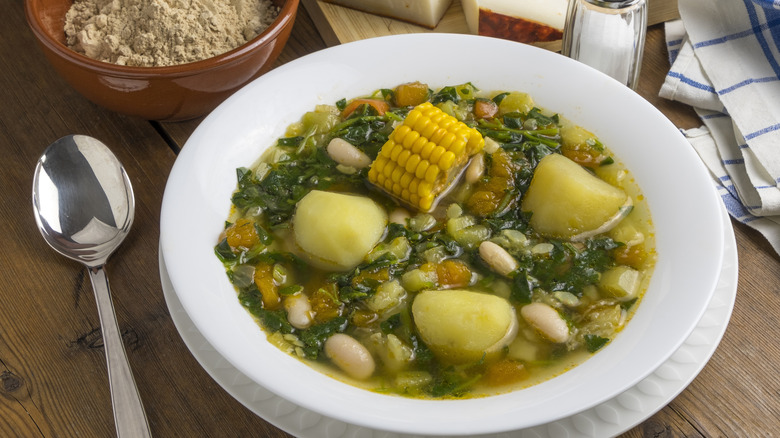
Another time-honored way to prepare watercress is in an easy watercress soup. For optimal flavor and nutrient retention, it’s best to add the watercress at the end of cooking, either blending it fresh into the soup or wilting it into the broth.
The peppery notes of watercress also encourage creativity in the kitchen. You could incorporate it into mashed potatoes for an Irish-inspired colcannon or whip up a herby, spicy pesto featuring watercress to drizzle over grilled fish. There are countless ways to introduce more of these nutrient-rich greens into your daily meals.


