Throughout much of internet history, there have been two main types of participants: content creators and consumers. Crafting an exceptional video—one that is cinematic, narrative-driven, and captivating—required not only high-end equipment and editing prowess but also a dedicated team and a significant time investment that most individuals simply couldn’t afford. This division between creators and viewers has long shaped online culture.
However, artificial intelligence is rapidly narrowing that gap.
The Old Barrier Was Real
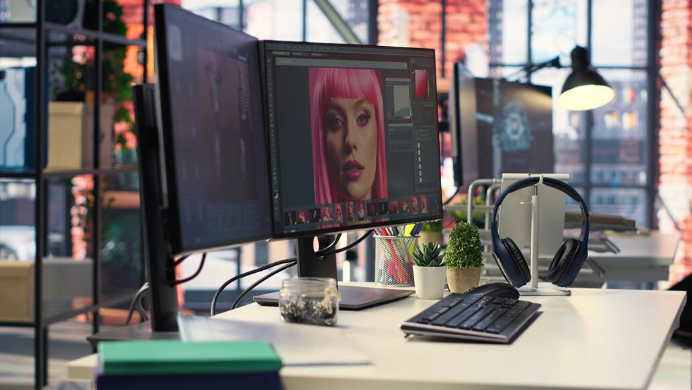
Let’s face it: Video production was costly—not just financially but in time and effort as well. A polished, short clip on platforms like YouTube could take hours to film, days to edit, and often thousands of dollars in software and hardware. Even with the advent of smartphones and user-friendly editing apps, the learning curve remained steep. Many aspiring creators abandoned their channels not for lack of ideas, but because the execution proved too daunting.
This is where AI has made significant strides.
The Numbers Are Staggering
The AI video generation market was valued at approximately $788 million in 2025 and is forecast to reach $3.4 billion by 2033. This isn’t just marketing hype; it reflects substantial investments in genuinely effective tools. A striking 49% of marketers now incorporate AI video generation into their workflows, and brands have reported reductions in production costs by as much as 60% when using AI-powered video tools.
However, the real narrative lies with individual creators. By 2025, the top 100 faceless YouTube channels—where no humans feature on camera and visuals are entirely AI-generated—saw their subscriber counts grow 340% faster than traditional channels with on-screen hosts. These solo creators are now producing anywhere from 200 to 300 videos a month with minimal manual intervention, transforming what once seemed impossible into a viable business model.
What Changed: The Technology Finally Caught Up
For years, AI video tools showed promise in demonstrations but proved challenging in practical applications. Characters often moved awkwardly, faces sometimes distorted mid-scene, and complex tasks frequently became problematic.
Recent advancements have transformed this landscape. ByteDance’s Seedance 2.0, launched in early 2026, introduced multimodal input capabilities, allowing the integration of images, video clips, audio, and text simultaneously. This means if you upload a reference clip for a specific camera movement, the AI can replicate it seamlessly. Provide a picture of a character, and that character remains visually consistent throughout every shot. Add audio, and the AI synchronizes sound and movement from the get-go—no tedious post-production fixes necessary.
The result is videos that withstand scrutiny—not just impressive for AI but simply impressive.
The Creator Economy Just Got a New On-Ramp
This evolution is particularly exciting for anyone who has a story to share but struggled with the visual storytelling aspect.
There’s just one hitch: Seedance 2.0’s primary platform, Dreamina (known as 即梦, Jimeng in China), caters mainly to the Chinese audience. For English-speaking users eager to utilize this technology, options have been frustratingly limited. Some have turned to third-party account resellers, while others have navigated cumbersome workarounds for access. This inaccessibility has become a source of frustration in creator communities.
Fortunately, Western-facing platforms are beginning to address this issue. Seedance 2 on ReelsLab provides the same powerful model in a user-friendly interface designed for global audiences—no resellers, no complicated procedures, no barriers. Users can create cinematic-quality clips from mere text prompts or single images, all without any editing software, film crew, or prior production experience. Just describe your scene, choose a visual style, and let the AI take care of the rest.
This is especially significant for fan communities, where creators can now bring their favorite worlds to life through short films, original characters, and visually engaging video essays that go beyond mere static images. High-quality tools that were once reserved for professional studios are now accessible at consumer-level pricing.
The Debate Worth Having
This technological shift isn’t without controversy. Seedance 2.0 itself garnered attention when viral clips inspired by real actors and established film characters attracted cease and desist letters from Disney and Paramount, along with scrutiny from the Motion Picture Association. These are indeed important issues—questions surrounding copyright, consent, and the use of existing creative works to train AI models remain unresolved.
Nevertheless, the creative opportunities are equally significant, and it is crucial to separate the technology from its possible misapplications. Just as camera technology did not lose its value because of misuse, the same principle applies here. When employed to create original worlds, narrate unique stories, or allow independent creators to produce content at previously unattainable scales, these tools present exciting possibilities.
You Don’t Need Permission Anymore
As we observe the landscape of AI video in 2026, the most fascinating aspect isn’t the technology itself but the implications it brings. For decades, the entertainment industry has functioned on a model of gatekeeping—studios chose what got made, networks determined what was aired, and even the YouTube era required a significant investment of time, skill, and often financial resources to create compelling content.
This paradigm is beginning to crumble. A solo creator armed with a solid idea and the right tools can now produce visually competitive content that stands up alongside mainstream productions. The quality standard has dramatically increased, and the cost has plummeted.
Whether you’re a filmmaker on a tight budget, a gamer with a creative vision, a comic book enthusiast eager to see your interpretations come to life, or simply someone who has always observed from the sidelines and wondered about creating something—it’s now far more accessible than ever before.
The director’s chair is no longer exclusive. Grab one for yourself.