A proposal aimed at prohibiting Coloradans from utilizing food-assistance benefits to purchase soda and sugary fruit juices was halted on Friday by a state board. Critics argued that the measure represented an overreach that could undermine the dignity and autonomy of low-income families.
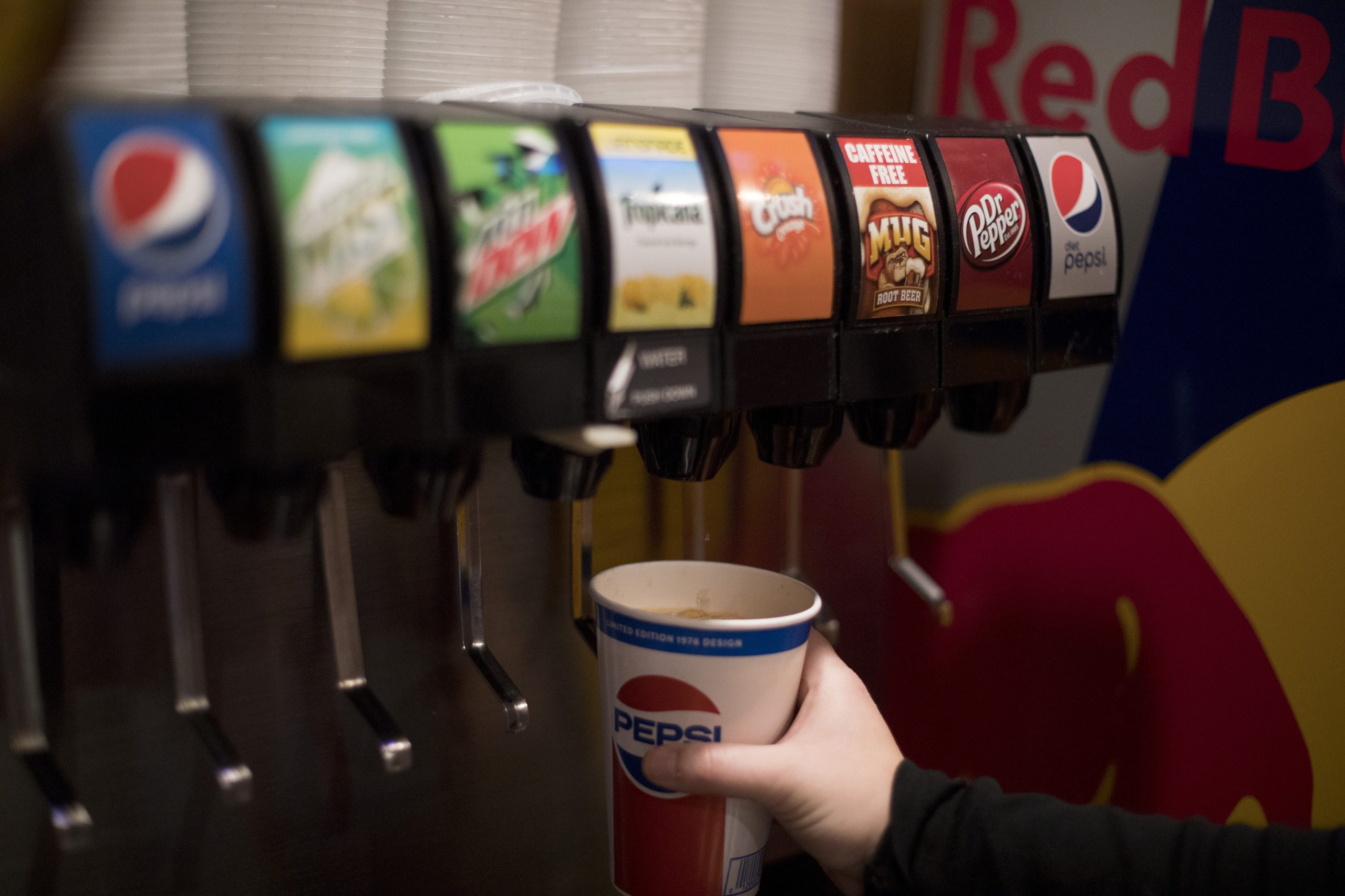
The proposed rule would restrict the use of the federal Supplemental Nutrition Assistance Program (SNAP) to buy sodas, as well as fruit juices with added sugars or artificial sweeteners.
In August, Governor Jared Polis secured approval from the U.S. Department of Agriculture for this “healthy choice” initiative, but he required the endorsement of the governor-appointed state human services board to enact it. The final step sparked significant controversy, drawing opposition from homeless advocacy groups, Save the Children, Hunger Free Colorado, and a group of 27 Democratic state lawmakers.
Opponents, including food stamp recipients, claimed the restriction would diminish individuals’ autonomy to make their own food choices and could exacerbate food insecurity. The discussion around sugary beverages continued for approximately seven hours, ultimately leading to an 8-1 vote by the board to defer a decision until their next meeting on April 3. Multiple board members expressed their intention to vote against the proposal prior to the vote.
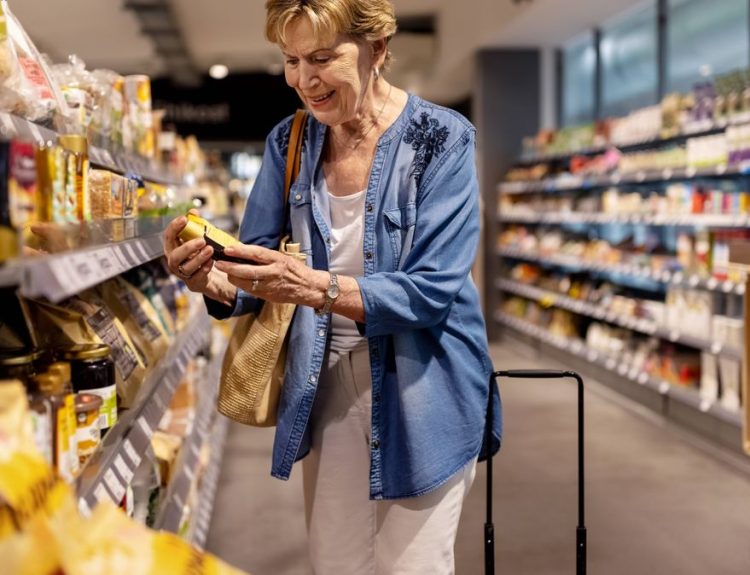
Many attendees, both in-person and online, expressed concern that Coloradans reliant on SNAP could face humiliation or judgment at grocery stores if they inadvertently attempted to purchase soda or high-sugar fruit juices. Julie Hall, program director for the Homelessness Awareness and Action Task Force in Englewood, emphasized that individuals living in shelters “already experience very little choice and dignity in their daily lives,” and grocery stores often provide a rare opportunity for autonomy and normalcy. “They deserve the dignity of choice — the ability to walk into a store, select food they enjoy, and purchase it with confidence, without fear of being denied or shamed at the register,” she asserted in a letter to the board.
Hunger Free Colorado cautioned that the rule would compel shoppers, particularly those lacking smartphones or proficiency in English, to struggle to read and comprehend nutrition labels. Additionally, drinks containing less than 50% fruit or vegetable juice would be prohibited. They argued that the complexity of the rule might hinder the ability to purchase flavored mineral water or hydration drinks like Pedialyte.
“This is not about health — it’s about hunger,” stated Mariah Guerrero, senior public policy manager for Hunger Free Colorado, in a news release. “We cannot afford to increase food insecurity in Colorado under the guise of public health.”
Several individuals testifying at the board hearing shared experiences of managing Type 1 diabetes, explaining that when blood sugar levels drop, they resort to quickly consuming juice or soda. Many advocated for more effort to lower the cost of healthy food instead of restricting access to sugary beverages.
Board member Meighen Lovelace, who has resided on a community farm in the Western Slope and received SNAP benefits previously, stated her opposition to the rule change. Lovelace highlighted the unfairness of singling out low-income individuals, remarking that people across income levels consume sugar. “Whether you are on SNAP or privileged with great wealth, it’s important that you know that this is not great for your body,” she noted, questioning why low-income populations were being asked to critically scrutinize their consumption more than others.
Similarly, board member John Kefalas, a Larimer County commissioner and former state senator, expressed his dissent, stating government should not dictate what individuals can or cannot purchase.
Board vice chair Mychael Dave, an attorney, also indicated he would oppose the soda ban, arguing insufficient scientific evidence to suggest the new rule would effectively change dietary habits. “We are saying, ‘Hey poor people, you be the guinea pigs to figure this out,’” he remarked.
In contrast, board member Elizabeth Lowdermilk, a psychiatrist, was among the few who supported the rule, contending that preventing the purchase of nutritionally void beverages is akin to the prohibition against using SNAP for alcohol.
A collective of seven state senators and 20 representatives, all belonging to the governor’s political party, urged the board to reject the rule. They pointed out that the state is confronting an $850 million budget deficit, making it an inappropriate time for significant changes that would necessitate “extensive staff time” for training and compliance.
Furthermore, they raised concerns that the rule would impose a burden on small and rural stores to monitor purchases and expressed apprehension that it might lead to heightened hunger among low-income families. “We encourage you to consider whether this is the right moment to move forward with this restriction,” they advised.
Health Experts Supported the Ban on Soda
Conversely, several doctors endorsed the new rule, including Dr. Ned Calonge, chief medical officer of the Colorado Department of Public Health and Environment. He asserted that soda provides “almost no nutritional value” and its regular consumption is linked to increased risks of heart disease and cancer. Calonge characterized the proposal not as a ban, but rather a governmental decision to cease subsidizing unhealthy drinks associated with chronic illness.
State officials asserted that the proposed rule would enhance public health and could reduce future Medicaid expenditures related to managing diabetes and heart disease. Kim Bimestefer, executive director of the state Department of Health Care Policy and Financing, indicated that individuals on Medicaid are more predisposed to obesity and chronic health issues compared to those with private insurance.
“Please pass this rule so Colorado stops fiscally fueling distribution of beverages that propel the chronic diseases that impact the low-income Coloradans who we cover and serve,” Bimestefer urged the nine-member board.
Approximately 600,000 individuals in Colorado receive SNAP benefits, representing around 10% of the state’s population.
Sweetened beverages rank as the second-highest category of items bought with SNAP, trailing only meat and seafood, and preceding vegetables. State human services officials have noted that soft drinks are the fifth-highest category of grocery items purchased by families not enrolled in SNAP.
Sugary beverages account for nearly 9% of SNAP expenditures, compared to about 7% of grocery spending among non-SNAP families.
The state Office of Economic Security provided the board with an extensive array of scientific studies highlighting the contribution of sugary beverages to issues such as Type 2 diabetes, heart disease, dental problems, and even behavioral and sleep disturbances. One study noted that 40% of children and 62% of adolescents in California consume at least one soda daily.
The objective is to align policy by categorizing sugary drinks as prohibited purchases, similar to existing restrictions on alcohol and tobacco, “rather than judging or directing individual behavior,” stated Abby McClelland, director of the office’s food and energy assistance division.
If implemented, the rule would have taken effect in April for a duration of two years, with a possibility of extension up to five years. State officials expressed intentions to survey SNAP beneficiaries to evaluate their perceptions of the program, monitor shopping behaviors, and track spending patterns.
Colorado stands as one of 18 states with federal approval to restrict the use of food assistance benefits for sugary beverages. In five states, this change began on January 1.
Additionally, Colorado has three pending requests for federal approval to modify the SNAP program, which includes provisions for using food assistance to acquire hot food in grocery stores (such as rotisserie chickens), allow purchases at farmers’ markets, and enable spending on meals at restaurants.
Key Takeaways
- The proposed rule to ban SNAP purchases of sugary drinks was delayed by a state board.
- Opponents argue it could harm the dignity and choice of low-income families.
- Supporters claim it aims to promote better health and alleviate long-term medical costs.
- Concerns were raised about the complexity of food labels and potential embarrassment for SNAP users.
- Funding issues and burdens on small retailers were key points of contention among lawmakers.
- Health experts see the ban as a necessary step to combat chronic illnesses linked to sugary drinks.
FAQ
What did the proposed rule entail?
The rule aimed to prohibit the use of SNAP benefits for purchasing soda and sugary fruit juices.
Why was the rule opposed?
Critics argued it could limit food choices and dignity for low-income families, exacerbating food insecurity.
What were the concerns raised during the board’s discussion?
Many expressed fears of embarrassment at grocery stores and highlighted the need for autonomy in food choices.
What is the next step for this proposal?
The decision has been postponed until the board’s next meeting on April 3.
How do sugary beverages impact health?
Studies indicate that sugary drinks are linked to various health issues, including Type 2 diabetes and heart disease.