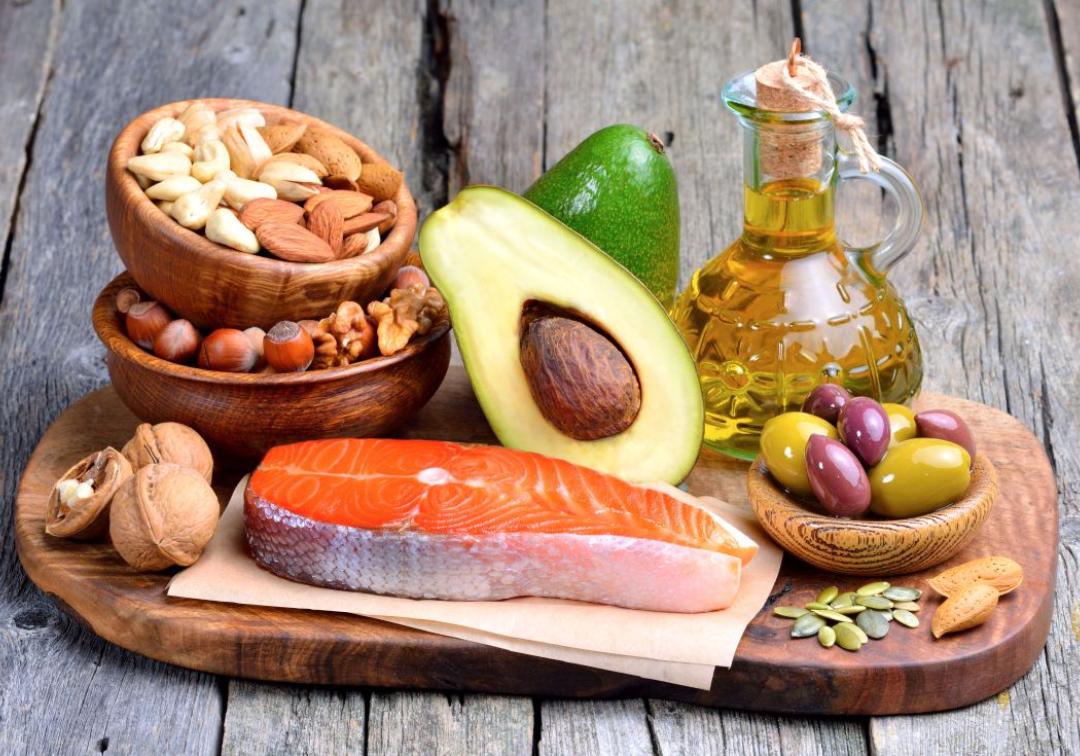
Diet plays a crucial role in shaping our immune system’s effectiveness, particularly through the fats we consume. Recent research has revealed that the types of dietary fats can significantly influence the health and function of T cells, which are vital for fighting off infections and diseases like cancer. This ground-breaking research highlights the tangible ways in which our nutritional choices can enhance our immune resilience.
A dedicated team from the University of Queensland led an international effort that discovered how diet alters the fat composition within T cells—key immune defenders in our bodies. Professor Di Yu of UQ’s Frazer Institute noted that a lower ratio of polyunsaturated fatty acids (PUFAs) to monounsaturated fatty acids (MUFAs) is linked to T cells becoming more resilient and better able to withstand cell death.
“The findings mark a profound leap in understanding how our diet directly impacts immune system function,” Professor Yu said.

“Our immune system relies on T cells to manage the body’s immune response. The fats we consume can change the composition of lipids in T cells, affecting their strength and ability to protect against illness.
“Lipid metabolism—the way our bodies process dietary fats—is a crucial aspect of immune functionality.
“This discovery suggests that dietary adjustments could potentially enhance the efficacy of vaccines and cancer therapies,” Professor Yu added.
Foods rich in PUFAs include fatty fish and soybeans, whereas MUFAs can be found in olive oil and avocados. Professor Yu explained that T cells are particularly susceptible to a form of cell death that occurs when oxidized fats accumulate, damaging the cell membrane.
“When T cells are shielded from this oxidation-induced death, specific T cells known as follicular helper T cells significantly improve in their ability to help produce antibodies, which could enhance vaccine efficacy,” he stated.
“Stronger and more resilient T cells are also better equipped to multiply and target tumors. Experimental evidence suggests that modifying dietary fats could lead to improved cancer treatment outcomes, potentially aiding tumor elimination and extending survival rates.
“In the future, optimizing a patient’s diet and focusing on lipid metabolism may provide a straightforward approach to bolster immunity. This strategy could act as a powerful adjunct to vaccines or cancer immunotherapies, ensuring that immune cells are sufficiently potent to combat diseases.”
While the optimal PUFA to MUFA ratio in our diets remains to be determined, Professor Yu emphasized that further research is essential to fully understand the roles different fats play in T-cell health.
The findings of this groundbreaking study are published in Nature.


