There isn’t a single “correct” way to eat, yet we often judge one another’s dietary choices harshly.
Similar to parenting, exercise, and shopping, food habits provoke scrutiny based on our personal beliefs and standards. Are frequent takeout orders a sign of laziness? Shouldn’t people strive to cook more at home? Society often stigmatizes overweight individuals but can also cast a critical gaze on those who are thin, especially if it appears they are using medications to assist with weight loss. There are political dimensions to these issues, too. Conservatives were resistant to Michelle Obama’s efforts to improve school lunches, while progressives question the Trump administration’s dietary recommendations. Everyone believes they are the voice of reason.
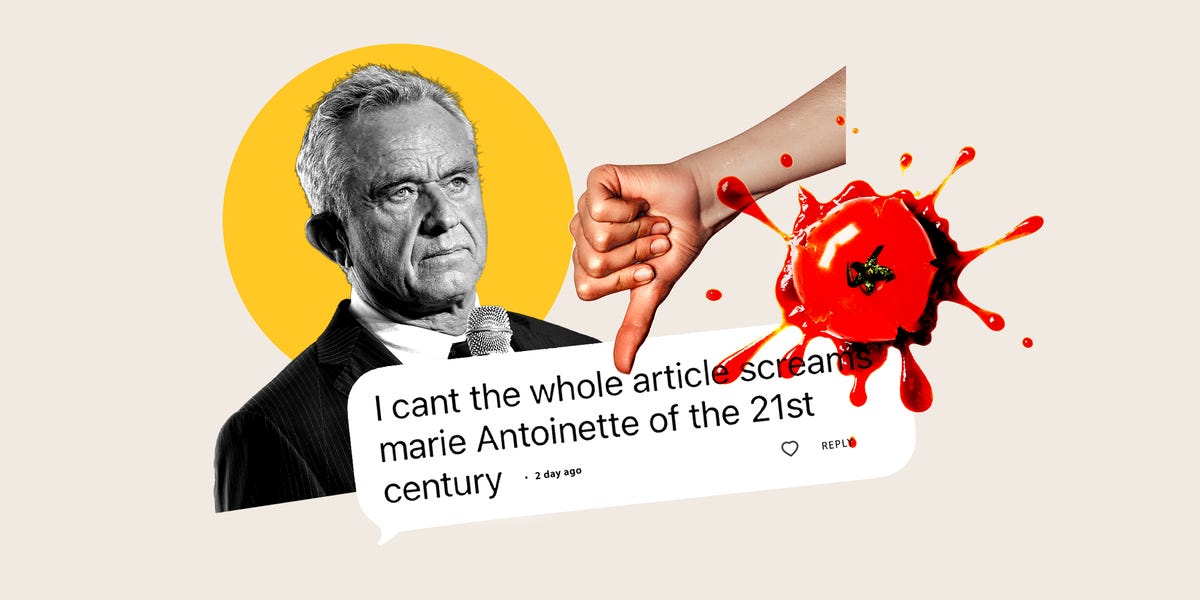
In my quest to explore these ideas, I embarked on a lighthearted weeklong experiment. I followed the food guidelines from the White House, which emphasize whole foods, healthy fats, and proteins, all while aiming to stick to a $15 daily budget. This story gained traction online, garnering widespread attention, which was great until the comments began to pour in. It became clear that food evokes strong emotions.
Conversations about food often transcend mere dietary preferences; they reflect deeper issues of identity, class, and control. By categorizing foods as “good” or “bad,” we seek a semblance of order and autonomy in an unpredictable world. Eating thus becomes not only a means of sustenance but also a reflection of character and discipline.
“We love to polarize things in this country,” states Jill Chodak, a dietitian and director of food-based healthcare at the New York food bank, Foodlink. “It doesn’t really work, because each person and family has unique circumstances, budgets, and needs.”
Food is simultaneously simple and complex.
While it might seem self-indulgent, I confess to feeling apprehensive about the feedback I receive from readers. Although I value constructive criticism, the anonymity of the internet can lead to harsher comments. Nevertheless, I steeled myself and read every email and comment on the RFK diet piece, taking time to reflect on them.
Some readers shared cooking tips (much appreciated!) and recounted their health journeys after improving their diets. Others argued that a $15 budget was unrealistic—one person labeled me the “Marie Antoinette of the 21st century,” which, while amusing, felt far from my reality. Others contended that the budget was too low, especially when factoring in essential grocery items like paper towels and dish soap.
One reader bluntly criticized my intelligence, suggesting I should reimburse my journalism degree. (Fortunately, I don’t possess one.) The majority of comments were not sharply political but intensely personal. They chronicled struggles with disabilities and efforts to manage food expenses. Many shared how food practices vary across generations and cultures, diving into discussions around dietary choices with anonymous strangers online.
Several were curious if I had lost any weight, to which I answered it’s difficult to dramatically change weight in just one week. More importantly, I hope we can all move past the obsession with body size.
There may be no right way to eat, but there are definitely wrong ways to disagree about it.
I also had conversations with some readers over the phone.
One of them was Troy Large, a 64-year-old former miner from rural Nevada, who transitioned to an “actual food diet” about ten years ago. He has cultivated a philosophy around ten categories of whole, unprocessed foods primarily found around the outer edges of grocery stores. “I’m not dogmatic about it,” he said. At a barbecue, he enjoys whatever is served. He believes food should be a communal activity and is flexible about indulgences like chips. “I don’t worry about poisoning myself. I just avoid it at home,” he shared.
For him, the main hurdles in adopting this lifestyle are bread and spices. He avoids baking soda and instant yeast, making it a labor-intensive task to make his own bread. Although he spent time mastering flavors, he attributes his success to a book about spices. “I can look into a nearly empty fridge and whip something up,” he says. After initially gaining weight when the oil field where he worked closed, he turned this practice into a path back to fitness. Still, he remains skeptical about the health benefits. “Now, I don’t know if any of this helps or not,” he said.
Dawn Perrault, a 63-year-old from Tennessee, juggles her role as a mortgage loan processor by day and pizza restaurant owner on weekends. She commented that my RFK Jr. diet story “evoked many memories” of her own struggles with food. “I’ve been on both ends of the spectrum,” she stated, oscillating between periods of weight gain and loss. Perrault has navigated different phases of her food journey—from relying on peanut butter during lean times with her husband, to learning to cook healthily on a budget as a single parent, to now enjoying the luxury of making meals from scratch in her current financial comfort, even though she dislikes grocery shopping. She expresses concern that younger generations are losing essential cooking skills.
“It seems like nobody knows how to cook anymore,” she lamented, pointing out that fast food and convenience items have become the norm, almost rendering cooking a lost art. “It’s not as hard as they think—I’ve learned so much from cooking shows.”
John Clancy, 64, a retiree from Las Vegas, also fears that successfully preparing home-cooked meals on a budget is unnecessarily daunting. Although he admits some advantages due to his spacious home with a large pantry and garage freezer, he emphasizes that meal planning is straightforward and only requires about an hour. He finds it essential to clip coupons and review grocery ads. “Over the past decade, the desire for instant gratification coupled with eating out has increased dramatically,” he noted.
The insights from my trio of baby boomer readers were refreshing and relatable. They based their food philosophies on their own circumstances—time, space, age, and individual preferences—without imposing universal truths. This stands in contrast to some online commentators who hold rigid beliefs. While there is no definitive way to eat, there are certainly unproductive ways to engage in discussions about food choices. One does not need to agree on dietary habits; ultimately, we should choose what feels right for ourselves. This lesson echoes back to my childhood when I was mocked for opting to purchase lunch at the school cafeteria instead of bringing my lunch, which was a significant faux pas in 90s-era Wisconsin.
I also spoke with Robert Moredock, a 77-year-old retiree from Las Vegas, who, along with his wife and disabled son, manages a strict $925 monthly food budget. He shared anecdotes about his son’s dietitian encouraging the family to reduce red meat and increase fruits and vegetables, prompting laughter from his wife in the background. Moredock emphasizes “opportunity buys,” and like Clancy, he utilizes his freezer strategically—stockpiling 20-pound turkeys during sales for holiday meals and incorporating them into soups and sandwiches. “We eat well without skimping,” he assured me.
When I inquired about why food stirs such emotional reactions, Moredock suggested it might be less about the food itself and more about the broader national divide and intolerance toward differing views. He felt my article had a biased tone. Our dialogue remained cordial, despite his earlier critique that I was “stoopid.”
While everyone could likely find areas for improvement in their diets, with perhaps the exception of Bryan Johnson or JLo, most of us can admit to enjoying snacks a bit too much, relying on takeout too often, or neglecting our vegetable intake. Life is indeed short, and while Doritos can be tempting, they hardly qualify as a health food.
In directing criticism at individuals, we ignore the bigger economic and commercial forces that shape our eating habits.
With just a few taps on our devices, takeout has never been more accessible—and neither have heated debates about whether such choices reflect irresponsibility, ignorance, or entitlement. Add to this the persistent toxicity of diet culture and the burdens faced by the disabled and economically disadvantaged, it’s no wonder that a simple dietary experiment can turn contentious. Shifting the blame to individuals often distracts from the larger economic and societal factors influencing our eating habits. Greater compassion is crucial—both for ourselves and for others—when it comes to food.
Chodak emphasizes the importance of understanding not just what individuals eat but why they choose to eat that way. The reasons often extend beyond mere laziness, encompassing busy work schedules, family obligations, and other responsibilities. In light of these considerations, preparing a perfectly healthy, home-cooked meal can be the first sacrifice made in a hectic lifestyle. “I have to balance what my body wants with what my body needs,” she explains. Furthermore, the American nutrition education system falls short, with few people knowing how to properly feed their children.
Reflecting on my experience with the RFK diet, I found it largely positive—even if it has left me somewhat weary of ground beef for the immediate future. I’ve come to appreciate whole, unprocessed foods and made some small dietary shifts. For instance, I switched to whole, unprocessed foods. I’ve even decided to use whole milk instead of alternatives for better taste—and calcium—in my coffee. I’ve discovered a new spice I love and pondered some of the soup ideas shared by readers.
However, many of my dietary habits remained unchanged. I returned to my usual meals, which include salads, sandwiches, and the sweet indulgence of dessert. My late-night favorite—cheese and peanuts—has made a comeback. While my cooking skills may not have improved significantly, I can confidently say I make a delightful veggie pizza.
Emily Stewart is a senior correspondent at Business Insider, focusing on business and economic issues.
Business Insider’s Discourse stories offer insights into the most pressing issues, informed by extensive reporting and analysis.


