
Feeling under the weather? You’re not alone. Approximately 23 million Americans have fallen ill during this cold and flu season.
Viruses and other harmful invaders compromise the immune system by targeting and diminishing white blood cells, which is how many illnesses arise.
However, a variety of vitamins and nutrients present in numerous tasty foods can accelerate your recovery, according to Cleveland Clinic nutritionist Kavitha Krishnan.
“Insufficient nutrition during or before the healing process can slow recovery,” she explained. “Conversely, a nutritious diet can enhance the healing process and bolster the immune response.”
Here are some nutritious food options you can incorporate into your meals, especially if you’re grappling with a respiratory illness, gastrointestinal concerns, or chronic inflammatory conditions.

Respiratory Illnesses
When it comes to respiratory conditions like influenza and respiratory syncytial virus, zinc is a key player. Found in oysters, cheddar cheese, and pumpkin seeds, this essential mineral aids in the creation of immune cells that combat the germs behind the common cold.
“Zinc plays a role in protein and collagen synthesis, tissue growth, and healing,” Krishnan highlighted.
A 2016 study conducted in Michigan found that participants who took zinc lozenges shortened their symptoms by as much as three days.
If you’re looking to boost your zinc intake through food, consider shellfish. Raw oysters contain the highest zinc levels, providing 32 milligrams in just three ounces, as per Harvard Medical School. The daily recommended allowance for zinc is 11 milligrams for men and around eight for women.
Raw oysters may not be first on the menu during illness, though. Cereal offers a more accessible option, with 2.8 milligrams per serving, and lentils provide 1.3 milligrams per half-cup—perfect for a hearty lentil soup that serves four to six.
Vitamin C-rich foods, such as oranges and bell peppers, are vital as they are renowned for reducing the severity and duration of colds.
Additionally, vitamins E and A, rich in antioxidants, play a significant role in supporting the immune system, as studies suggest. Antioxidants help ward off harmful inflammation that makes us more vulnerable to infections by damaging healthy tissues.

“Low levels of vitamin A can impede wound healing,” Krishnan pointed out.
The recommended daily intake for vitamin A is 900 micrograms, which can be easily consumed through a cup of cooked spinach. A cup of cereal holds 14 of the 15 milligrams of vitamin E that adults generally require daily to reap similar health benefits.
Vitamin D, plentiful in salmon, shiitake mushrooms, and egg yolks, plays a significant role in bolstering immune health.
A three-ounce serving of sockeye salmon contains around 400 of the 700 international units of vitamin D suggested for adults under 70. While it may not directly shorten the duration of a cold, it helps fend off infections and enhances overall health.
Gastrointestinal Issues
For ailments such as stomach flu, diarrhea, and vomiting caused by foodborne viruses, experts advocate for small, bland meals.
Common recommendations include toast, plain noodles, crackers, bananas, rice, broth, applesauce, and potatoes, which are best consumed for one to three days.
These low-fiber starches are gentle on the digestive system and can help minimize bowel movements, as suggested by the Mayo Clinic.
Staying hydrated is essential when battling any illness.
This can mean enjoying a bowl of chicken soup, but plain water is equally vital. It helps in regulating body temperature and reduces dehydration risks, which can exacerbate fevers and other illnesses.
Men should aim for around 15 cups of water daily, while women should strive for 11 cups, sipping throughout the day to avoid feeling nauseous.
“When battling an illness, your body requires hydration more than anything else,” says family medicine specialist Dr. Neha Vyas. “Stay hydrated with water or electrolyte-rich drinks. Broths and herbal teas are also beneficial.”
Inflammatory Conditions
Certain foods can play a role in combating harmful inflammation linked to chronic diseases, which are among the leading causes of death in the U.S.
Inflammation, the body’s natural response to injuries and foreign invaders, can be detrimental if prolonged, mistakenly targeting organs, tissues, and DNA. Such attacks are believed to contribute to conditions like cancer, cardiovascular disease, lung disease, and dementia.
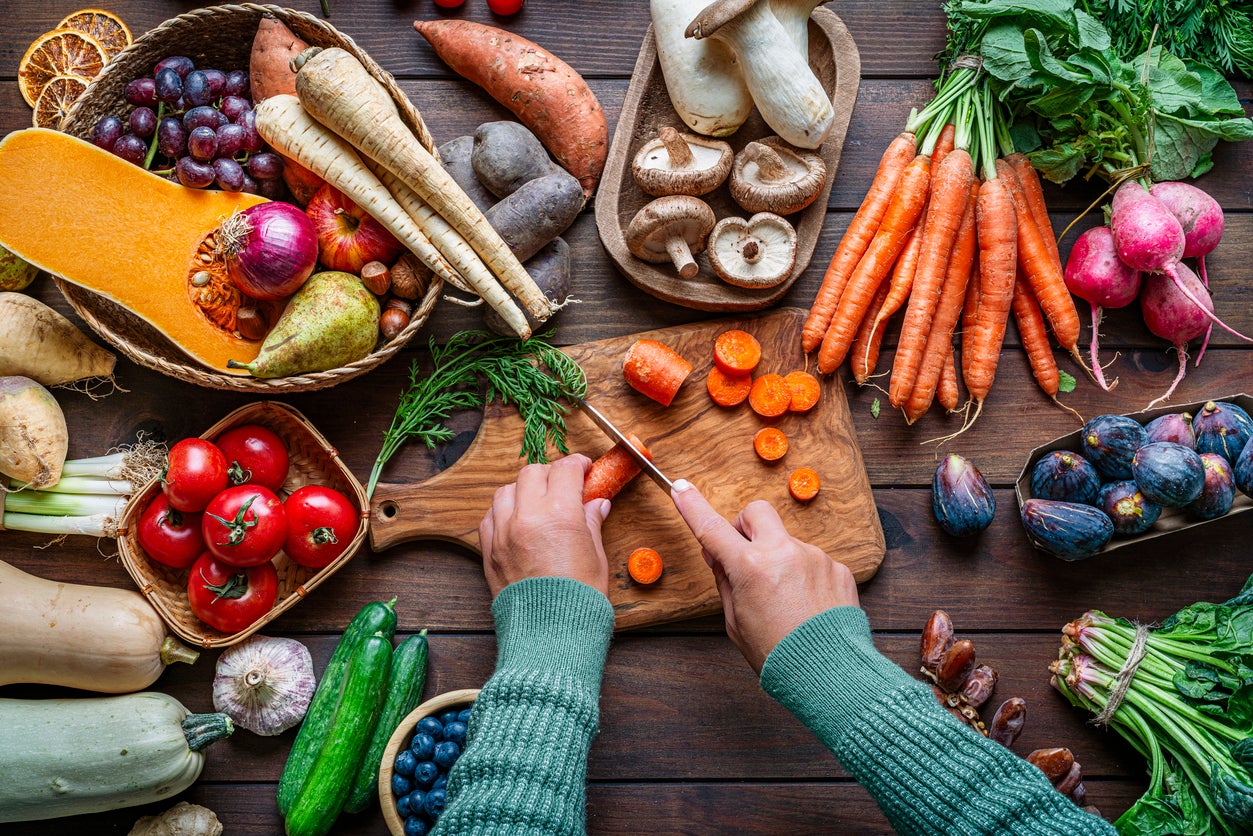
Incorporating foods rich in antioxidants and essential nutrients can mitigate negative inflammation. UChicago Medicine’s Dr. Edwin McDonald suggests adopting a Mediterranean or plant-based diet low in red meat and processed foods, prioritized with antioxidant-rich nuts, olive oil, beans, fruits, vegetables, and even dark chocolate.
Berries are particularly rich in antioxidants, with blueberries leading in content. Pair them with anti-inflammatory Greek yogurt and a drizzle of honey for the best impact.
For dinner, consider adding leafy greens like kale as a side dish or stuffing colorful bell peppers. The more vibrant your plate, the better the protective properties. However, consuming a varied diet over time is essential.
“To see significant change, focus on long-term eating patterns and an anti-inflammatory lifestyle,” McDonald concluded.
Incorporating these dietary strategies is not only beneficial for recovery from specific illnesses but can also establish a foundation for overall wellness. Prioritizing nutrient-rich foods and staying hydrated are key steps in fortifying your body against future ailments.