Champagne is the ultimate wine for the party season. It’s synonymous with moments of celebration — be it a birthday, wedding, toast, commemoration, or even winning an F1 race. But the festive period really brings it into its own, whether that’s a works Christmas party or a New Year’s Eve celebration with friends.
While other sparkling wines from around the world, such as Cava, Crémant and Prosecco, may come cheaper, Champagne retains its prestige and allure among drinkers. Nothing quite matches the sound of a Champagne cork popping, followed by the zingy rush of fine bubbles on the tongue.
Below are eight exquisite examples, curated in collaboration with Megan Smith of The Drinks Business, to tempt you during the festive season and ensure your celebrations go with a proper pop and fizz.
£20–£30
Champagne Haton NV
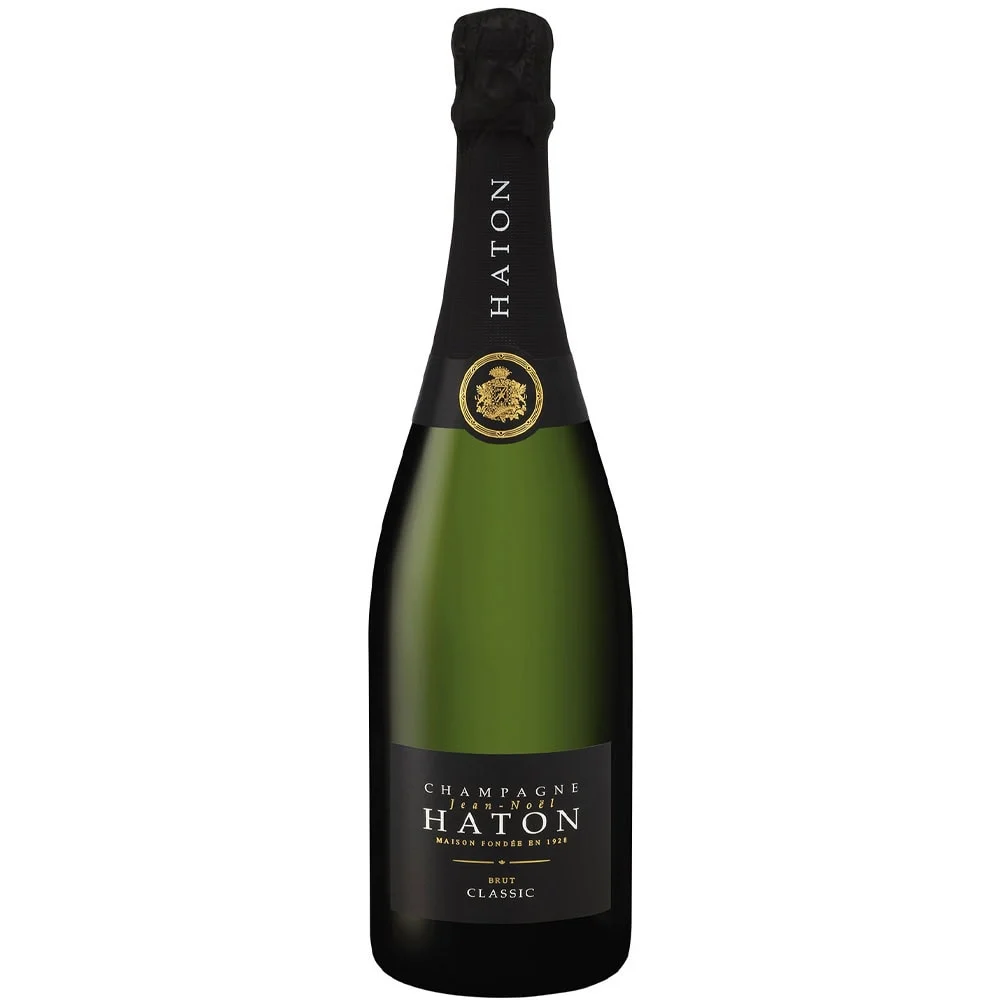
This boutique, family-run Champagne house traces its roots back to the early 1600s, during the reign of Louis XIII, when François Haton began growing grapes for local wineries. Fast forward to 1928, and Octave Haton revitalised the business by producing Champagne under the family name. Today, the house is operated by the 11th and 12th generations of the Haton family.
This dry, gripping non-vintage shows high acidity and a light-bodied profile. The palate delivers effervescent notes of tart red apple with a hint of peach, while an intriguing yeasty character underpins everything. Delightful, and excellent ‘bang for your buck’.
£30–£50
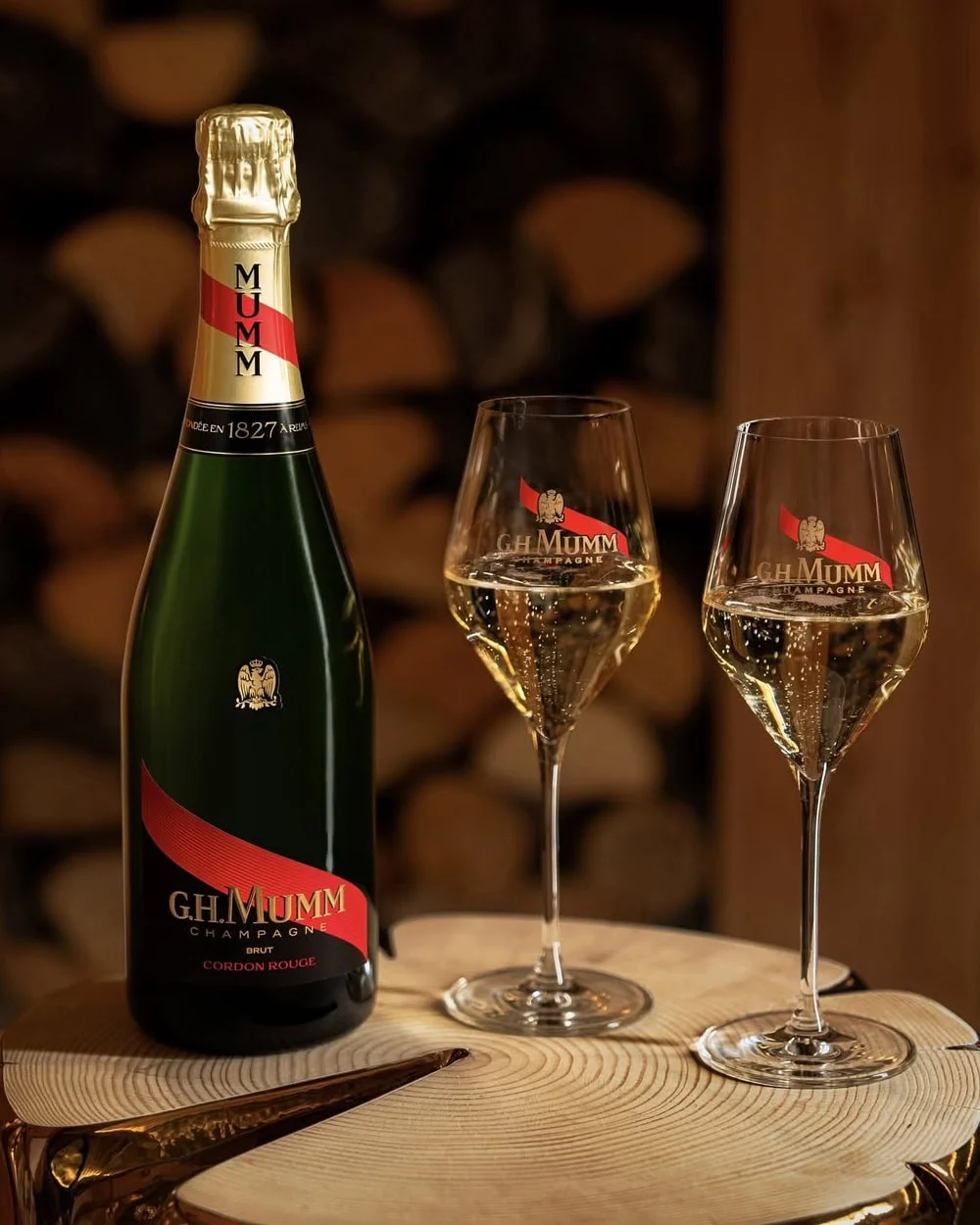
GH Mumm, Cordon Rouge NV
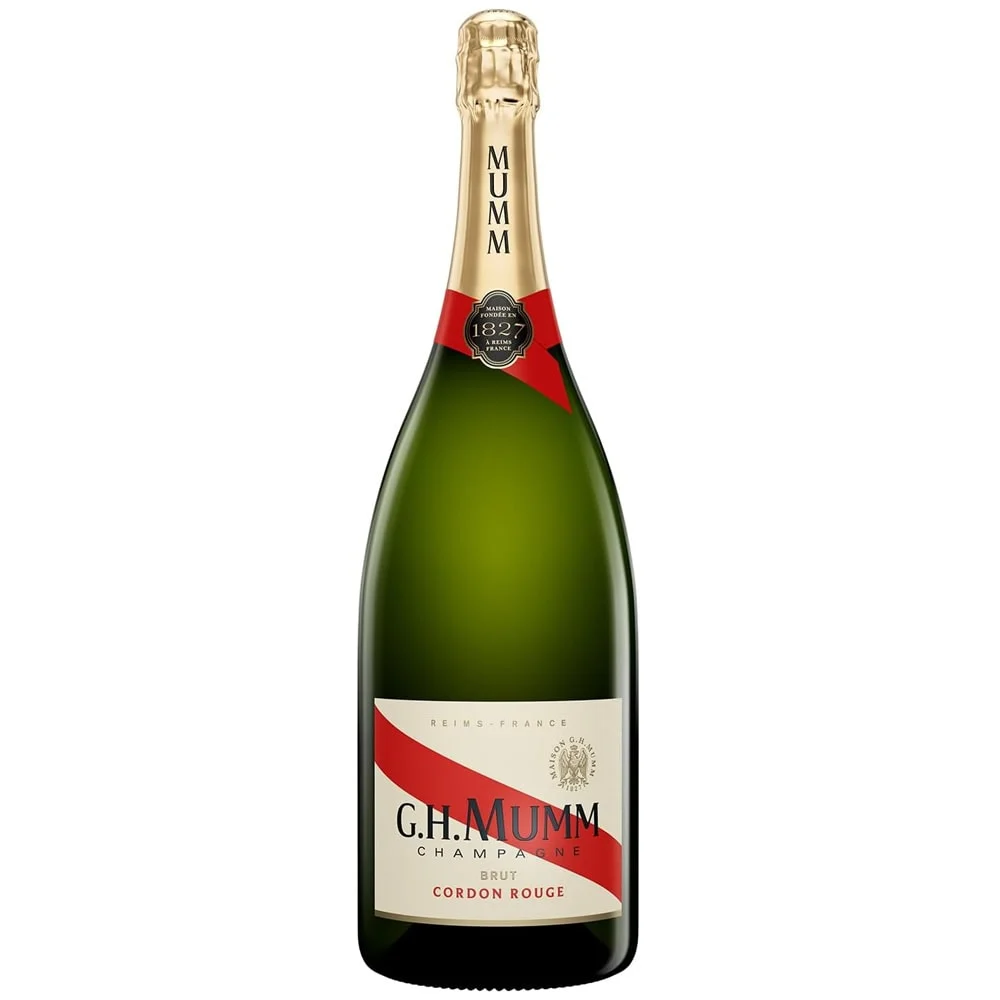
This Champagne is an absolute classic. Mumm was founded by three German brothers — Jacobus, Gottlieb and Philipp Mumm — in the famous Champagne town of Reims in 1827, and has grown to become one of the region’s most highly regarded houses.
The Cordon Rouge (or ‘red sash’ in French) is the iconic cornerstone of the range. This non-vintage Champagne is bold, lively and refreshing, with crisp, acidic green apple, lemon zest and toasted brioche taking centre stage.
Champagne Cattier, Blancs de Noirs Premier Cru NV
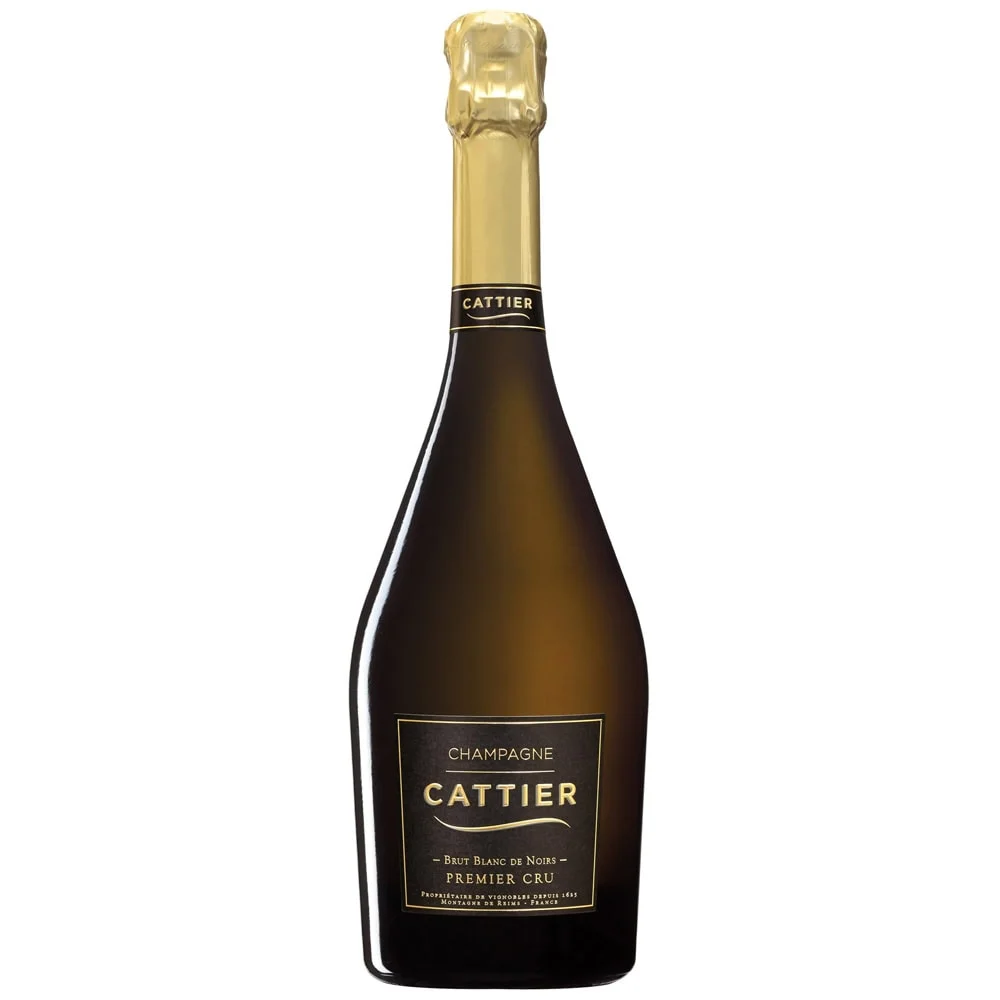
Cattier is one of the oldest and most respected Champagne houses in France. The family has owned vines in the region since the 1700s, and it remains family-owned today. The 13th generation is currently at the helm — Alexandre Cattier and his cousins Agathe and Marie.
Their traditional style leans heavily on the Pinot Meunier grape, giving their Champagnes a heady, aromatic and fruit-forward character. With this Blancs de Noirs, expect crisp, acidic notes of rhubarb, lemon sherbet and patisserie. Elegant yet opulent.
Champagne Joseph Perrier, Cuvée Royale Brut Rosé NV
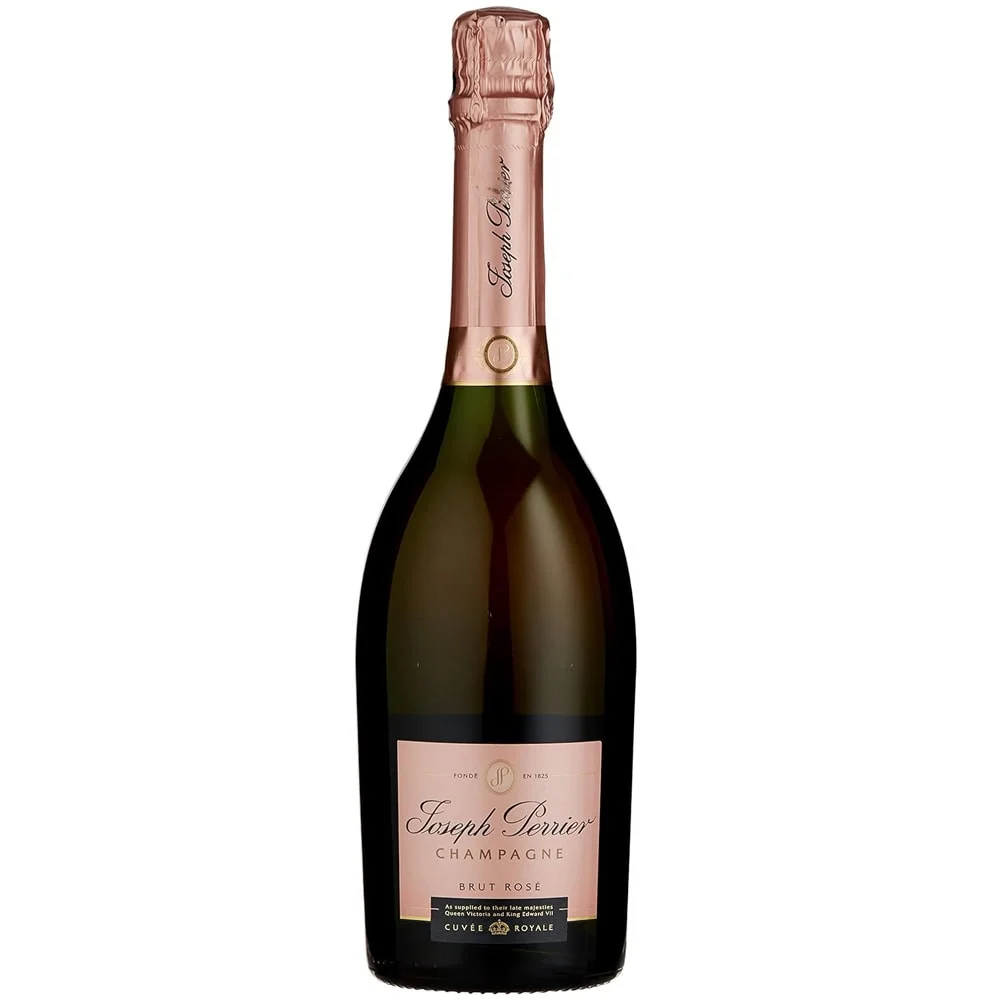
Champagne Joseph Perrier — not to be confused with the better-known Perrier-Jouët — was founded in 1825 in the village of Châlons-en-Champagne. It has celebrated its bicentenary this year and remains family owned.
The house is famous for its chalk cellars, and its Champagnes were favourites of Queen Victoria and Edward VII. This Cuvée Royale Rosé is exquisite, light in body and finely refined, laced with red berry and pomegranate fruit, underpinned by a bright, refreshing acidity.
£50–£70
Champagne Telmont, Réserve Brut NV
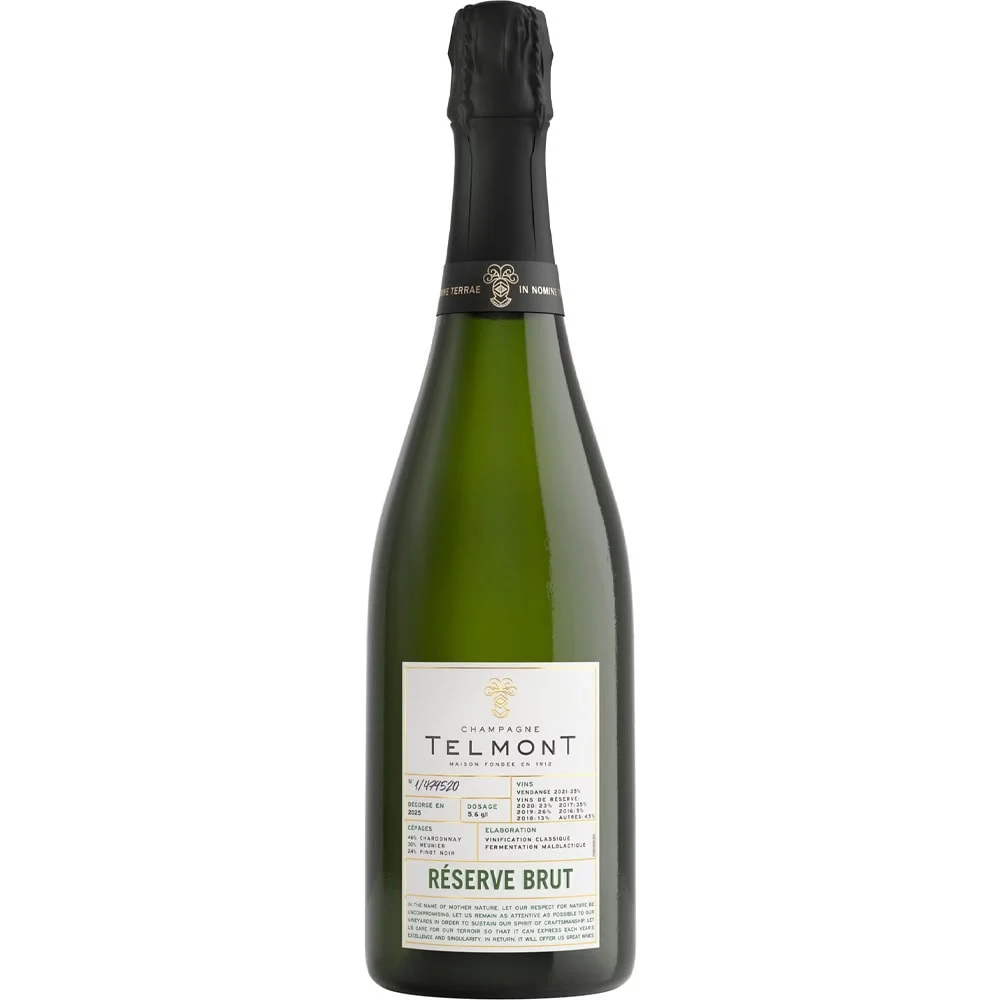
Four generations of the Lhôpital family have built Telmont’s reputation since its foundation in 1912. This highly regarded Champagne house prides itself on biodynamic and organic viticulture practices, and takes its name from its most prized vineyard plot.
Intense and complex on the nose, with intriguing aromas of tomato leaf and yellow fruit, alongside an appealing bread-like note. Creamy on the palate, with a tart acidity that maintains freshness and balance. It’s easy to see why Telmont is so sought after.
£70–£100
Champagne Laurent-Perrier, Vintage 2015
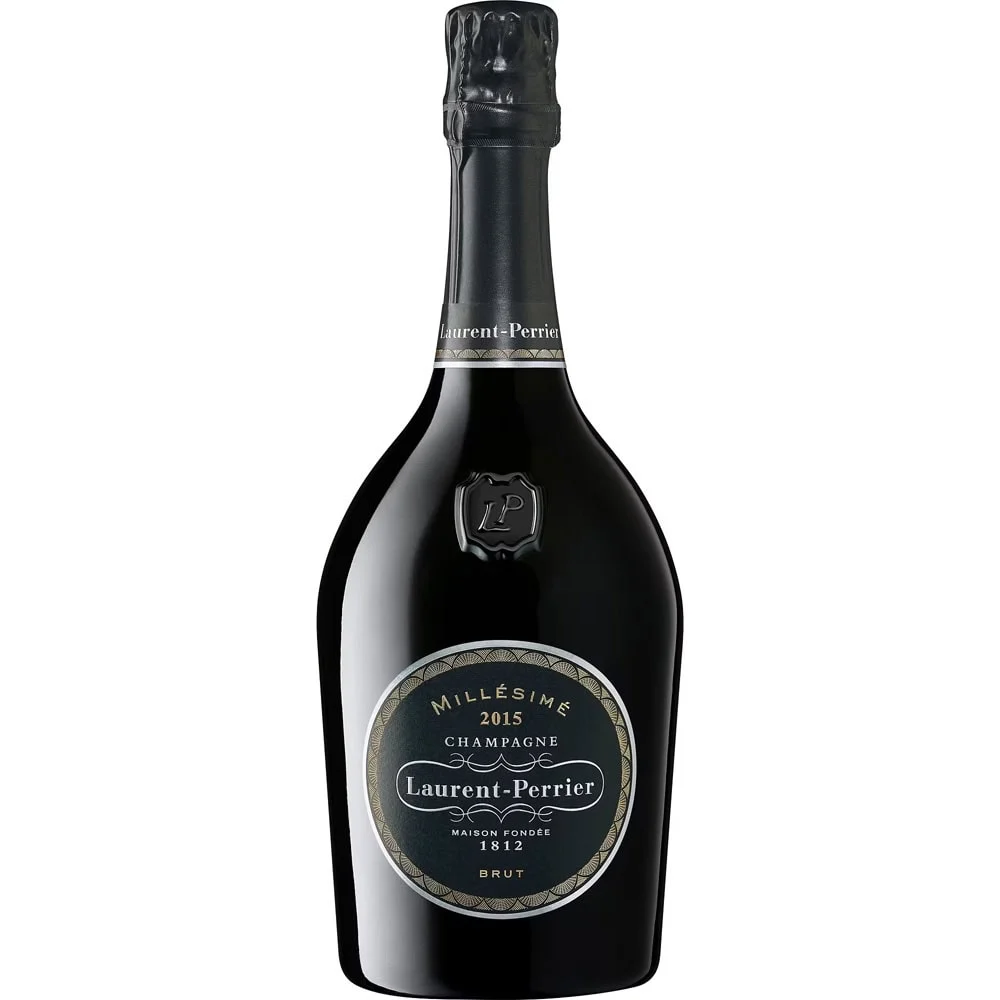
Laurent-Perrier is one of Champagne’s flagship houses and is known worldwide. Founded in 1812 by André Michel Pierlot, the famous name was created in 1887 when the owner, Eugène Laurent, died. His wife, Mathilde Emilie Perrier, combined their family names in his honour — and the rest is history.
This is a stunning Champagne from the hot, drought-affected summer of 2015. Ripe apples and pineapple are layered with honey and lemon zest. Bright and refreshing, it finishes clean and pristine, with hints of hazelnut, chalk dust, lime and lightly toasted bread. Exquisite.
£100+
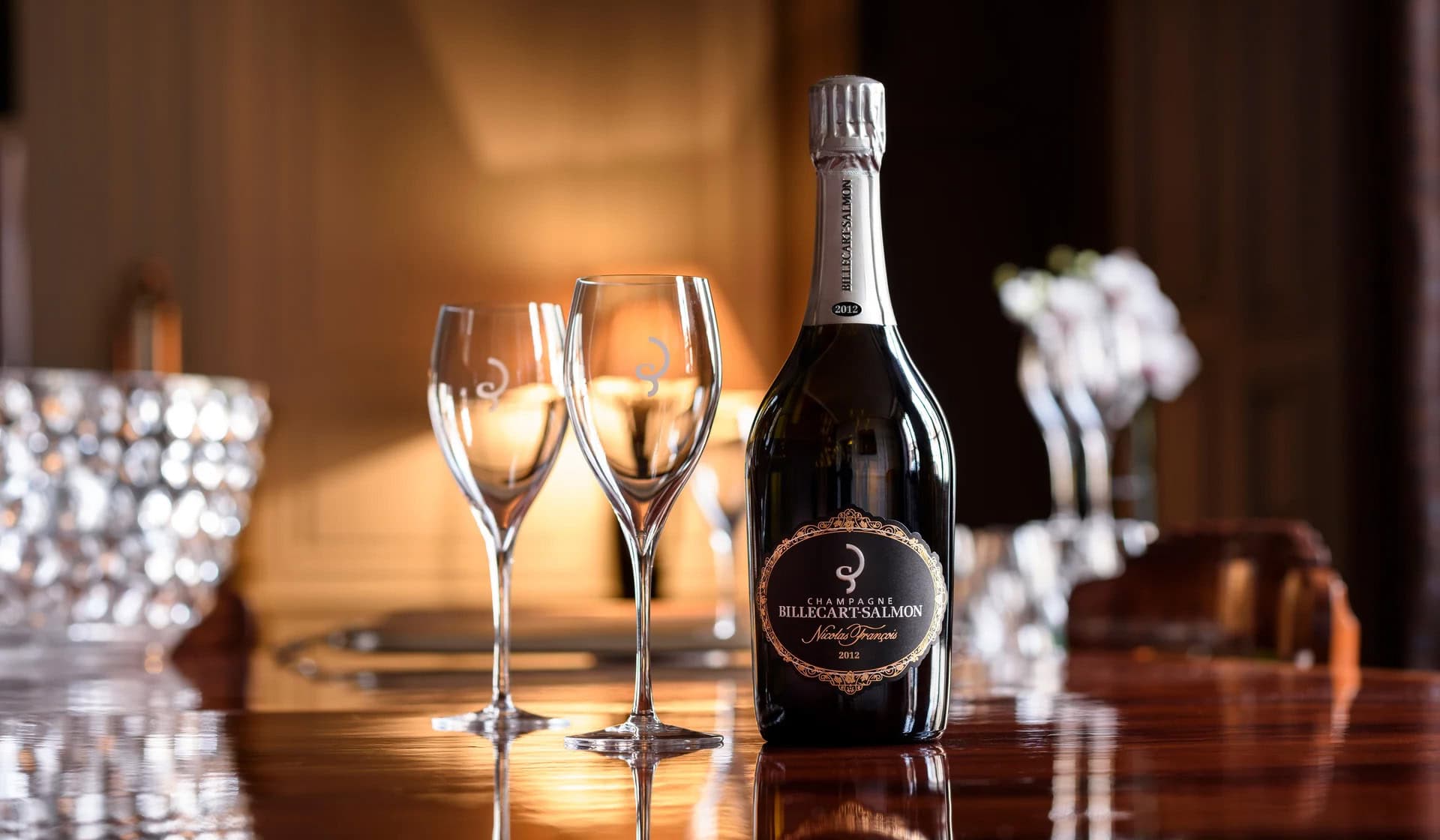
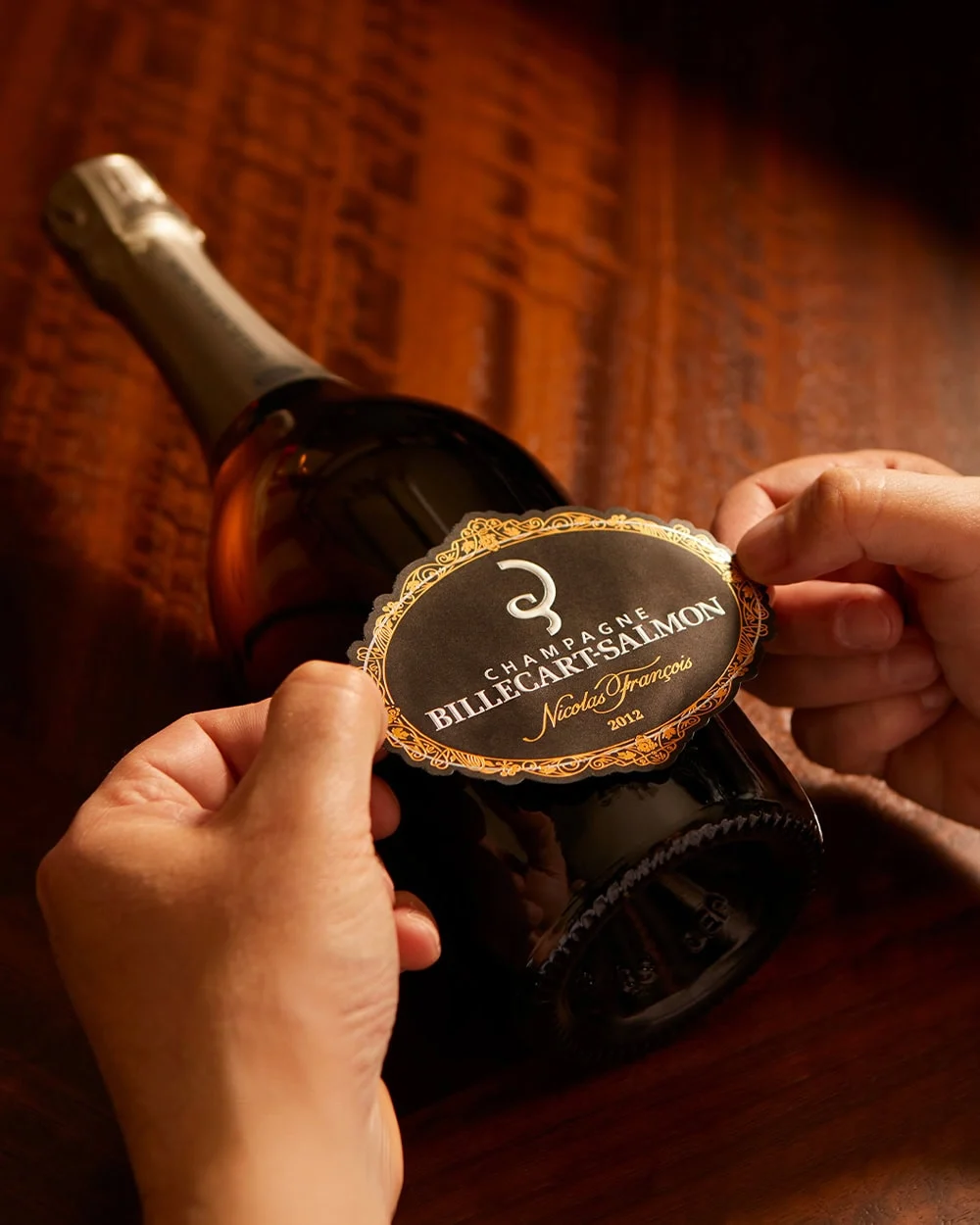
Champagne Billecart-Salmon, Nicolas François 2012
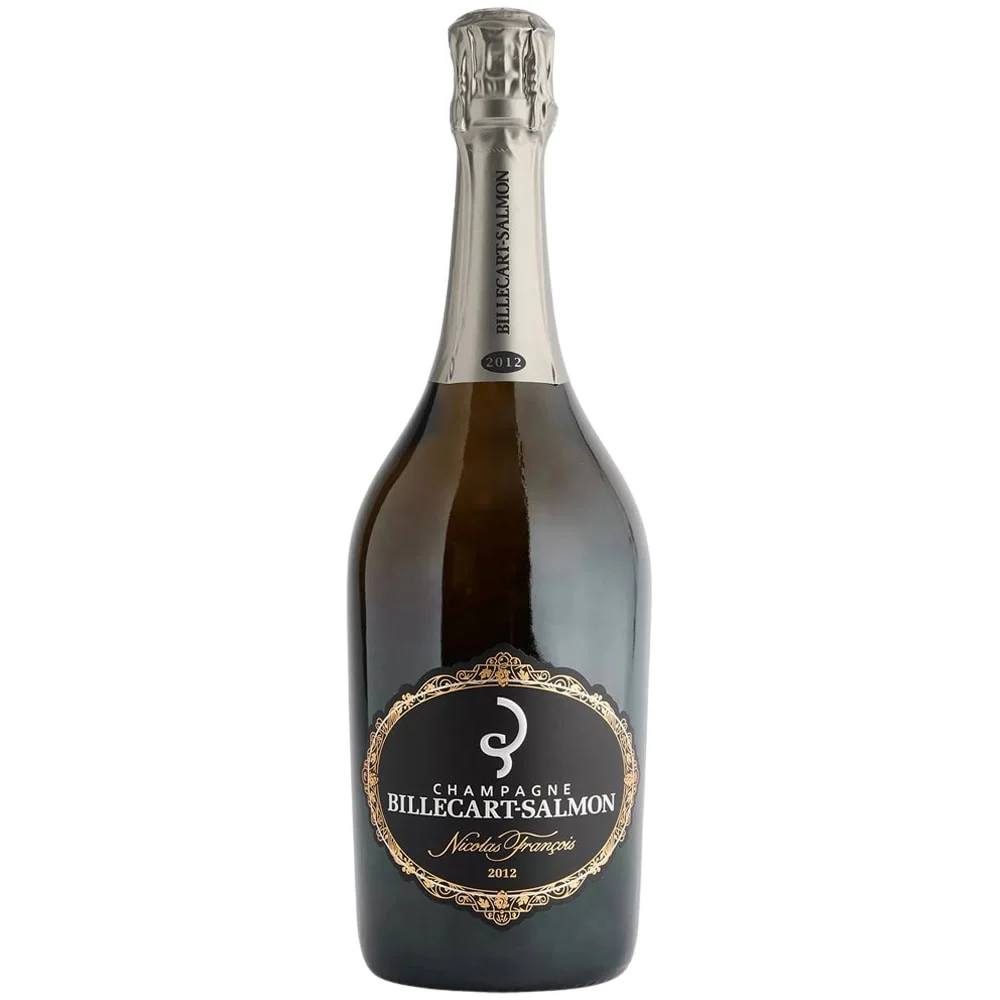
Billecart-Salmon embodies luxury and prestige. The family-owned Maison was founded in 1818 following the marriage of Nicolas François Billecart and Elisabeth Salmon. Seven generations on, it remains renowned for elegant, delicate Champagnes created through slow, low-temperature fermentation.
This alluring vintage opens with aromas of dried fruit and soft brown sugar. The palate is beautifully complex, revealing notes of beeswax, fairground toffee apple and a yeasty creaminess. The finish is bone-dry with a hint of lemon rind.
Veuve Clicquot, La Grande Dame Rosé 2015
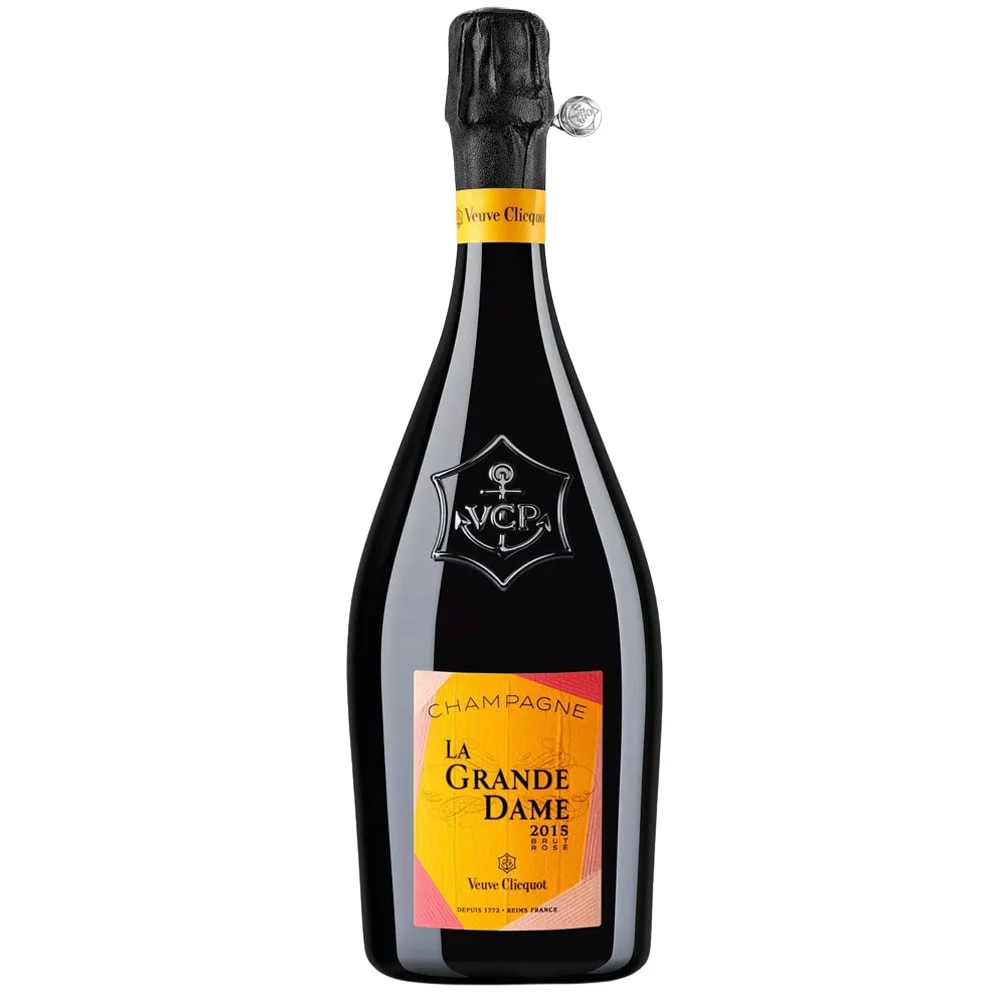
One of Champagne’s most famous names is also among its oldest. Maison Veuve Clicquot was founded in 1772 in Reims by Philippe Clicquot, but rose to prominence under the stewardship of his widow, Barbe-Nicole, following his untimely death in 1805.
A true innovator, she created the world’s first vintage Champagne in 1810, the first blended rosé in 1818, and introduced the brand’s iconic yellow label.
This refined, expressive rosé is a tribute to the pioneering spirit of Madame Clicquot — ‘la grande dame de la Champagne’. Expect notes of pear alongside hazelnut, coffee and baked apple, underpinned by a distinct chalky edge. Complex, refreshing and deeply delicious.
Champagne 101
Champagne is a type of French sparkling wine with a protected geographical designation and strict production rules. This designation, known as an AOC (Appellation d’Origine Contrôlée), means Champagne can only be produced in the Champagne region of France. Located in the north-east of the country, around 90 miles east of Paris, the region is a UNESCO World Heritage Site, with Reims and Épernay as its principal towns.
Champagne must be made using traditional methods and specific grape varieties — namely Chardonnay, Pinot Noir and Pinot Meunier. Four other permitted grape varieties are used far less frequently: Arbane, Petit Meslier, Pinot Blanc and Pinot Gris.
The grapes are first fermented to make a dry still wine. This is then bottled with a small amount of sugar and yeast added — known as the liqueur de tirage — before being sealed with a temporary cap. A second fermentation then takes place inside the bottle. This process must last a minimum of 15 months for non-vintage (NV) Champagne and 36 months for vintage Champagne.
During this time, the yeast feeds on the sugar, creating alcohol and carbon dioxide, which gives Champagne its signature bubbles. Before final corking, the bottles are gradually tilted downwards in a process known as riddling, allowing the dead yeast cells to collect in the neck. The neck is then frozen, forming an ice plug in a process called disgorgement.
The cap is removed, and pressure inside the bottle forces the frozen plug of yeast out. A small amount of sweetened wine — the liqueur d’expédition — may then be added before the famous cork is inserted. This final step determines the Champagne’s dosage: Brut Nature, Extra Brut, Brut, Extra-Dry, Sec, Demi-Sec or Doux.