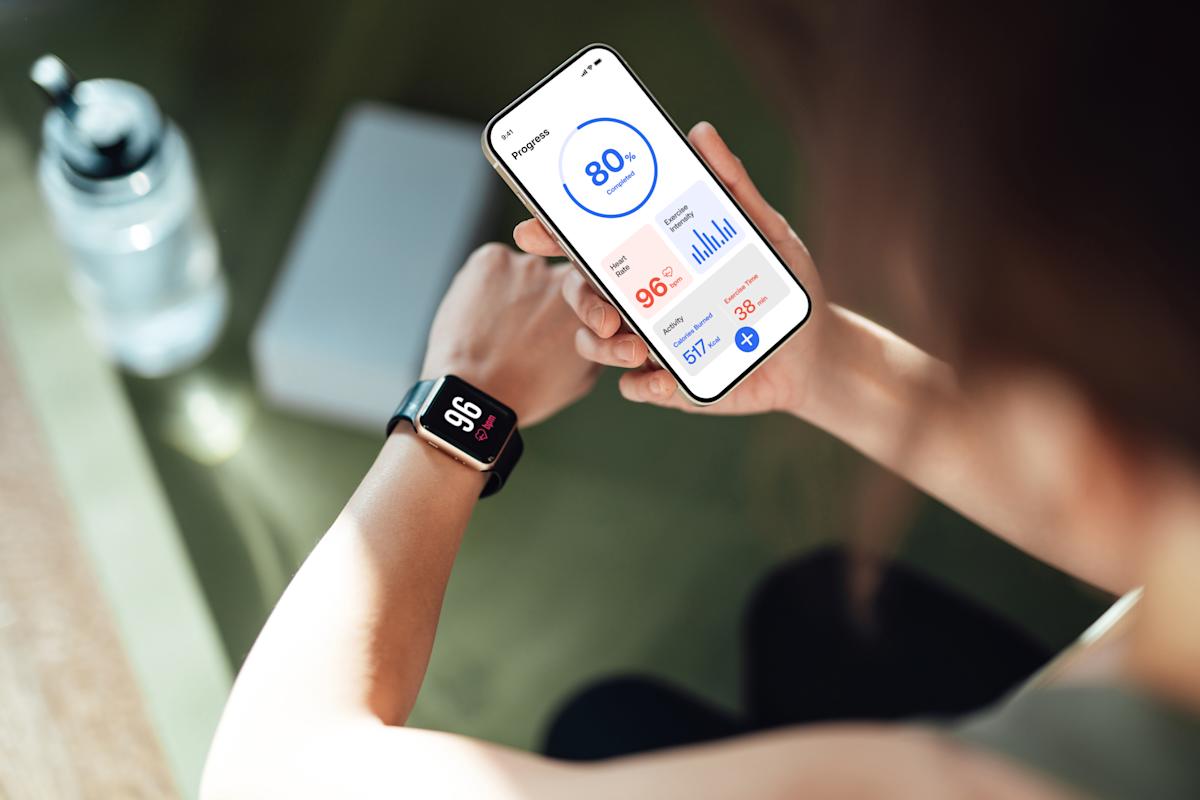

The fitness tracker industry is booming, but are these wearable devices worth the investment? (Getty Creative)
(Nastasic via Getty Images)
Exploring Fitness Trackers: Are They Right for You?
In recent years, fitness trackers have surged in popularity, appearing prominently in gyms and exercise settings. What was once a niche technology is now accessible to a broad audience, with the industry projected to grow significantly in the coming years. But do these devices genuinely enhance fitness, or do they simply add to the noise? Let’s delve into how fitness trackers work, their benefits and drawbacks, and whether they could be a valuable addition to your fitness routine.
Understanding Fitness Trackers
Fitness trackers are wearable devices designed to monitor various aspects of your daily activity. Key metrics they typically track include:
– Step counts
– Calories burned
– Distance traveled
– Heart rate
– Sleep patterns
Some advanced models incorporate features like smartphone notifications, music storage, and GPS functionalities for outdoor workouts. According to Laura Sommer, DPT and owner of In Motion Physical Therapy, these devices capture real-time data regarding your body’s responses during activity, making them useful tools for enhancing fitness.
Fitness trackers vary widely in price and functionality; basic models like pedometers can be very affordable, while advanced smartwatches or rings may involve a greater financial investment. Some even come with subscription services, adding to their ongoing costs.
Benefits of Using a Fitness Tracker
Many users find fitness trackers beneficial for numerous reasons. Millica McDowell, a physical therapist, likens wearing one to having a workout partner who keeps you accountable. For those who thrive on data, these trackers can motivate you to meet your health goals. For example, Sara Swaneck, a strength instructor, found that her trackers helped her stay motivated during her training for a HYROX competition by enabling her to visualize her progress.
The ability to monitor progress toward performance and health goals digitally has been linked to maintaining healthy habits. Ashley Selman, founder of Evolution Trainers, emphasizes that the real value lies in identifying trends over time, ensuring that your efforts translate into meaningful improvements.
Some models even provide personalized training and recovery guidance based on your unique data, helping to fine-tune your approach to fitness over the long term.
Drawbacks of Fitness Trackers
Despite their advantages, fitness trackers are not infallible. They may produce occasional inaccuracies, especially concerning metrics like energy expenditure and sleep data. This can lead to misinterpretations of your fitness information. It’s also important to note that fitness trackers often lack comprehensive health perspectives, failing to measure critical factors like muscle mass.
Access to extensive data can sometimes become overwhelming. Without a clear strategy or goal in mind, users risk focusing too much on minute details rather than enjoying the journey toward improved health.
Are Fitness Trackers Right for You?
Choosing to adopt a fitness tracker—and determining which type suits you best—depends on your individual health and fitness aspirations. Consider the following:
– What specific metrics matter to you?
– Will seeing daily activity encourage you to exercise more?
– Are you comfortable integrating a digital device into your daily life?
Swaneck’s experience demonstrates how personalized metrics can enhance motivation and engagement. She utilized her Apple Watch to monitor heart rate during runs and relied on her Oura Ring to gauge sleep and recovery, tailoring her workouts accordingly.
Additionally, be mindful of your comfort with the data you collect. If tracking your metrics becomes a source of stress or anxiety, it may be wise to refocus on qualitative goals, such as consistency or enjoyment in your workouts.
Selecting the Right Fitness Tracker
With so many options on the market, finding the right fitness tracker can feel daunting. Start by assessing what features are essential for your lifestyle. Reading reviews and comparing different models will help you find a device that aligns with your needs. Remember, while investing in a fitness tracker can be beneficial, it’s essential to integrate it effectively into your health routine.
Conclusion
Fitness trackers can be a valuable asset in your quest for improved health and fitness, provided they align with your goals and lifestyle. By carefully selecting a model that suits your needs and using it as a supportive tool rather than a source of stress, you can leverage technology to achieve your fitness aspirations. Remember to keep an eye on your overall well-being and enjoy the journey, regardless of the metrics.
FAQs
How accurate are fitness trackers?
Fitness trackers are not medical devices, so their data may not always be precise. Use physical and mental assessments to evaluate your fitness beyond just the numbers.
How much should I spend on a fitness tracker?
Prices vary widely based on features. Consider your budget and desired functionalities to find the best match for your needs.
Do I need a smartwatch or a basic activity tracker?
This depends on your personal goals and preferences. Assess which features matter to you before making a choice.
Can fitness trackers help me lose weight?
While they provide insights into your activity and trends, successful weight loss ultimately hinges on your commitment to healthy behaviors rather than just tracking data.
Are fitness trackers waterproof?
Some fitness trackers offer waterproof features, but check specific models for their water resistance capabilities before submerging them.
Meet Our Experts
-
Millica McDowell, a physical therapist and VP at Gait Happens
Note: Our health content is for informational purposes only and is not intended as professional medical advice. Please consult a healthcare professional for any health inquiries.