As states increasingly impose restrictions on the use of food assistance benefits for candy and soda, food and beverage companies are preparing for a potential decline in sales. With these changes, the dynamics of purchasing behavior may shift, impacting both consumers and retailers.
Restrictions Overview
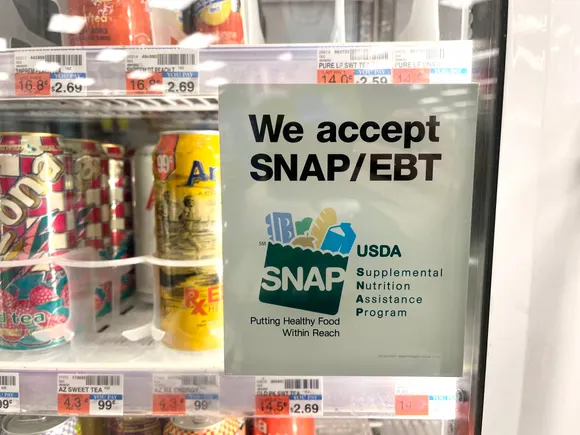
So far, 18 states have secured approvals from the Trump administration to prohibit the purchase of certain food and drink items using the Supplemental Nutrition Assistance Program (SNAP). The primary focus of these bans is on soft drinks and other “sweetened beverages,” although some states are also targeting candy and prepared desserts.
According to the National Grocers Association, SNAP contributes to 12% of total grocery expenditures. A reduction in these benefits is likely to have significant repercussions on consumer purchasing patterns; last year, nearly a third of consumers indicated to NielsenIQ that they would buy less food in response to decreased SNAP benefits.
Industry Response
In light of these restrictions, manufacturers of candy and soda are closely observing the situation. They aim to comprehend how retailers are implementing these bans, as the classification of candy and soda can differ by state, leading to potential inconsistencies.
Beverage giants Hershey and Keurig Dr Pepper noted that it is still too early to assess the financial impacts of these SNAP restrictions. Eight states have already enacted the changes, with others expected to follow suit later this year.
Hershey is actively collaborating with retailers to gather insights on how these regulations are affecting product availability on store shelves.
“We’re attempting to forecast various scenarios and how our product lineup can address these challenges,” said CFO Steven Voskuil.
Meanwhile, Keurig Dr Pepper is experiencing “mixed signals” from the states that have already applied the restrictions. CEO Timothy Cofer predicts that overall soda consumption will remain steady, believing SNAP recipients will likely spend more of their own money to purchase these products.
“SNAP recipients finance their grocery bills using a combination of SNAP benefits and personal funds,” Cofer explained. “Thus, we often see a reallocation of spending as a response to restrictions.”
Keurig Dr Pepper is particularly wary of more extensive SNAP modifications that could lower overall benefits. Proposed work and citizenship requirements could disenfranchise millions from SNAP, significantly affecting grocery spending power.
Cofer commented, “If major changes occur in the total SNAP benefits, it could considerably influence grocery purchasing capabilities and prompt some trade-off decisions.”
Even temporary fluctuations in SNAP can affect earnings. J&J Snack Foods, known for products like Icee and Superpretzel, reported that a brief halt in benefits during the government shutdown last November led to a “dip in dollar sales.”
As more restrictions come into effect, companies are preparing to adapt by prioritizing affordability. Keurig is considering new packaging options, such as value packs, in addition to special promotions.
“We anticipate that any impact on our business will be manageable, and we will respond as we gather more information,” Cofer stated.
Key Takeaways
- 18 states have received approval to ban certain food purchases with SNAP benefits.
- SUGAR drinks and candy are primary targets of these restrictions.
- SNAP accounts for 12% of total grocery spending.
- A significant portion of consumers may reduce their food purchases if SNAP benefits decrease.
- Hershey and Keurig Dr Pepper are monitoring the impact and adapting strategies accordingly.
- Changes to SNAP requirements could further influence grocery purchasing behaviors.
FAQ
What products are affected by SNAP restrictions?
Soft drinks, sweetened beverages, candy, and prepared desserts are the main items impacted by the restrictions.
How do these restrictions affect SNAP spending?
The restrictions may lead some consumers to spend more of their own funds on affected items, potentially altering purchasing habits.
Which states have enacted these restrictions?
As of now, 18 states have received approvals, and several have already implemented the bans.
What is the potential impact on beverage companies?
Beverage companies may experience a decline in sales, prompting them to adjust pricing and promotional strategies.