We’ve all experienced those evenings when exhaustion hits after a long workday. You return home, only to realize you’ve again neglected your grocery shopping, and before you know it, you’re resorting to a lackluster dinner—whether it’s a box of ramen, a plate of buttered pasta, or a simple peanut butter and jelly sandwich. Such meals often leave you feeling regretful and unsatisfied. You swear you’ll never let it happen again. However, a current viral trend is embracing this very simplicity, dubbing it “boy kibble,” which some might argue resembles the human equivalent of dog food.
What is “Boy Kibble”?
“Boy kibble” is gaining traction on social media, particularly among fitness enthusiasts who are whipping up an uncomplicated mix of ground beef and rice for a quick, low-calorie protein boost. Yet, it’s not sheer laziness driving many Gen Z men to adopt this diet; they consider it a reliable and straightforward source of protein.
The Rise of a Simplified Meal
Some men on social media confess to consuming this dish up to seven times a week as an economical way to support muscle growth. This trend stands as a masculine counterpart to the popular “girl dinner” of 2023, where women creatively assembled elaborate plates filled with various meats, cheeses, breads, and fruits.
The Protein Craze
The bland yet simplistic boy kibble diet has emerged as a new player in the ongoing protein craze, attracting the attention of food companies eager to capitalize on this demand. Dunkin’ has launched iced protein lattes, and Doritos is set to introduce protein chips with offerings containing up to 10 grams of protein per bag. Shopping aisles are increasingly dominated by products keen to draw attention to their protein content.
Adding to this trend, the Trump administration has spurred interest further. In January, Health and Human Services Secretary Robert F. Kennedy Jr. unveiled new dietary guidelines encouraging households to increase their intake of protein, dairy, and healthy fats.
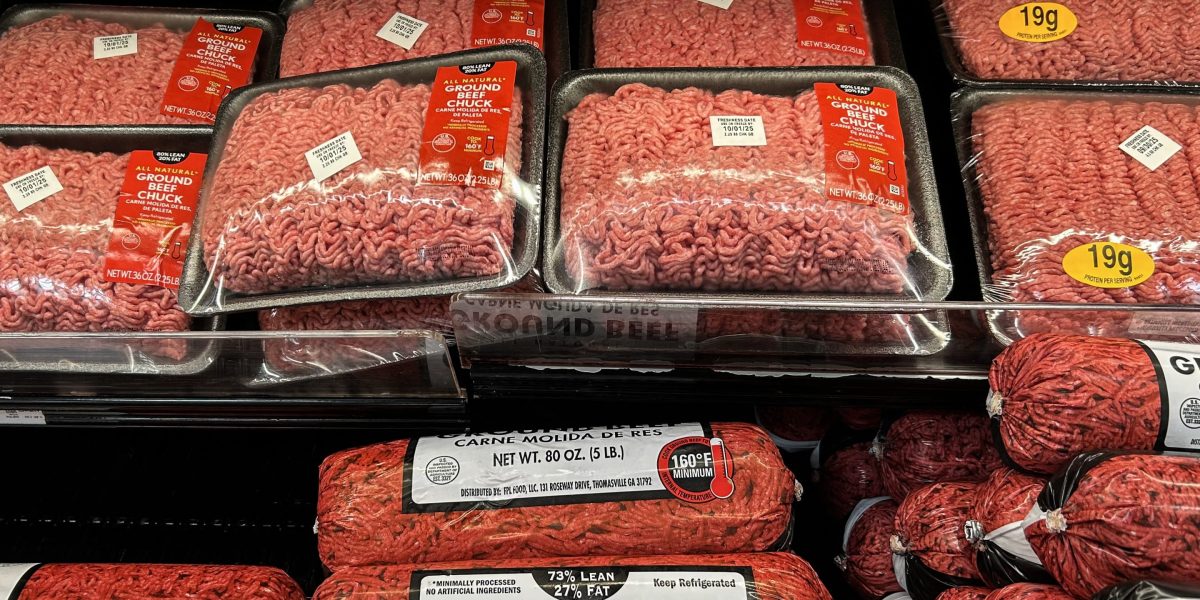
In 2025, the surge in meat consumption became evident, with sales of meat snacks increasing by 6.6%. However, while the popularity of meat rises, the price of beef has soared, with ground beef priced at $6.75 per pound in January—22% higher than it was the previous year. Similarly, rice has surpassed a dollar per pound. Yet, for many, boy kibble allows young men to bypass what they perceive as unnecessary expenses, disregarding vegetables, sauces, and seasonings.
The Downsides of ‘Proteinmaxxing’
Though the trend presents a straightforward and affordable approach to enhancing protein intake, some dietitians express concern over its lack of essential nutrients.
Abbey Sharp, a registered dietitian and author of *The Hunger Crushing Combo Method*, highlights that this “protein-focused, carnivore-style dietary phase” is neglecting the crucial fiber that 95% of North Americans do not get enough of.
In addition to fiber, many Americans are lacking vitamin D, calcium, and potassium, as noted in the 2020-2025 Dietary Guidelines for Americans.
Many enthusiasts, while jesting about the trend, do attempt to incorporate some nutrition by adding vegetables like kale and spinach or experimenting with seasonings and hot sauces.
Nonetheless, for a significant portion of those embracing the trend, its allure lies in that very simplicity and blandness.
Sharp, who boasts over a million TikTok followers by critically assessing popular eating habits and dietary fads, cautions that a commitment to such a restrictive meal could veer into precarious terrain. “This kind of moralizing of food, or turning suffering through meals into a badge of honor,” she asserts, “can lead to disordered eating patterns and risks, akin to orthorexia,”—the fixation on consuming foods deemed healthy.
In conclusion, while the boy kibble trend offers a simple and protein-rich meal option, it raises important questions about nutritional balance. As with many dietary fads, moderation and variety are key to overall health.