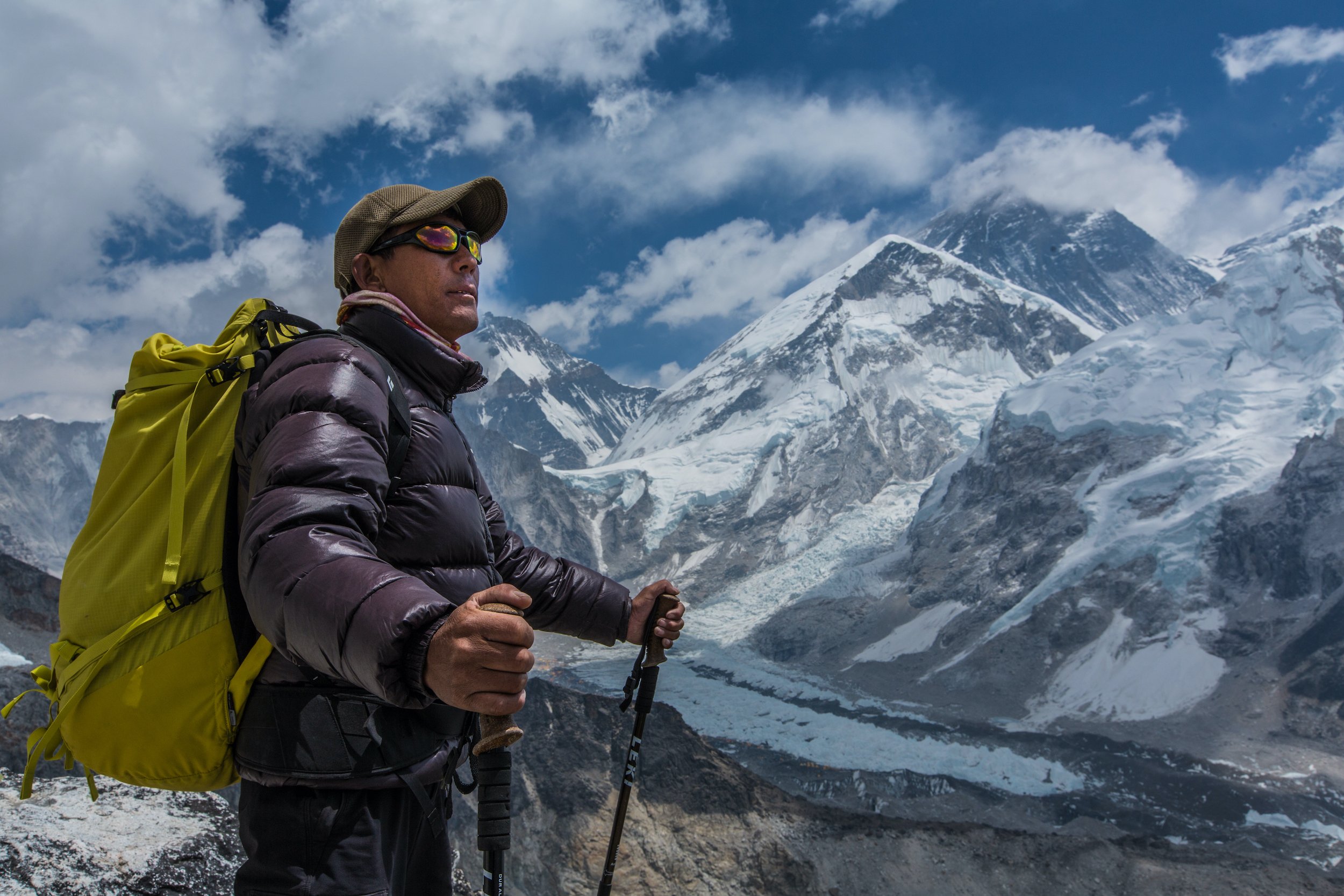
Embracing the Climb: A Look at the Sherpas and Their Sacred Connection to Everest
In the world of mountaineering, few names resonate like Everest. Known as Chomo Luma to the Nepali people, this majestic peak is not only a popular destination for climbers but also a sacred site rich in cultural significance. Recently, the conversation around Everest has shifted, focusing on the Sherpas—who are integral to the mountain’s climbing culture—and their new role attending to those who have perished on its slopes.
The Sherpas, well-known for their expertise in high-altitude mountaineering, receive a generous income for their work. The film Everest Dark highlights a unique aspect of their responsibilities: they are now incentivized to recover the bodies of climbers who have tragically succumbed to the mountain’s challenges. The notion of a “bounty” for each corpse recovered has become part of their job description, blending a practical approach with deep cultural significance.
Mountains like Everest hold tremendous spiritual value in the local community. For the Sherpas, the littering of these sacred grounds with human remains is distressing, as it is believed to provoke the wrath of Chomo Luma. This belief has heightened concerns about the increasing frequency of avalanches and harsh weather conditions, events seen as a manifestation of the mountain’s displeasure.
Mingma, one of the Sherpas portrayed in the film, grapples with his own connection to climbing. He believes that the god of Chomo Luma has signaled him to step back from this perilous work. While financial rewards exist for retrieving bodies, Mingma’s motivation lies more in reverence than in money. His journey back to the mountain is centered around a desire to honor and appease the spirit of Chomo Luma, reflecting a deep respect for both the mountain and its cultural implications.
Conclusion
The relationship between the Sherpas and Everest is a fascinating blend of duty, spirituality, and resilience. As the world of climbing continues to evolve, it’s essential to recognize the cultural narratives that shape the experiences of those who call these mountains home. Understanding their perspective not only enriches our appreciation for their work but also deepens the respect we have for one of the planet’s most iconic peaks. Whether climbing for adventure or reflecting on the deeper meanings behind such pursuits, there’s always more to learn from the traditions and tales that accompany these mighty mountains.