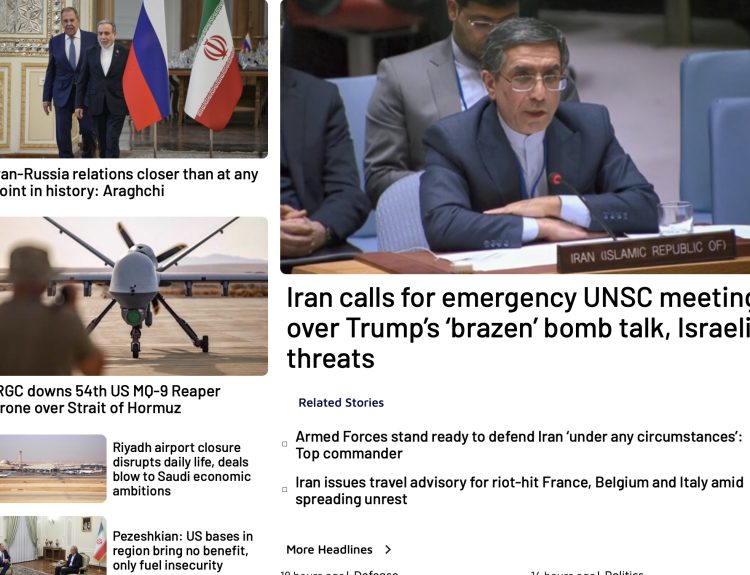
Rising US Military Expenditure: Implications for Debt and Taxation
In recent times, the United States has witnessed a significant increase in military spending, prompting discussions not only about the fiscal implications but also the broader consequences on national priorities and economic stability. This surge in war expenditure raises critical questions about the sustainability of government debt and the potential need for increased taxation.
The Scope of Military Spending Increases
As the geopolitical landscape evolves, the U.S. has committed to bolstering its military capabilities. This has resulted in:
- Expansions in the defense budget: The government has allocated substantial funds aimed at upgrading equipment, enhancing troop readiness, and investing in new technology.
- Long-lasting financial commitments: Many of these spending decisions represent ongoing obligations that may stretch over many years, affecting future budgets.
- Impact on domestic programs: Funds diverted to the military may limit investment in crucial domestic initiatives such as education, healthcare, and infrastructure.
Impact on National Debt
One major concern surrounding this increase in military expenditures is its effect on the national debt. With the U.S. already facing a substantial debt burden, further borrowing to finance military initiatives could:
- Exacerbate debt levels: Increased military budgets often lead to higher national debt, raising alarms about fiscal responsibility.
- Constrain future funding: Growing debt can hinder the government’s ability to invest in other essential areas, ultimately limiting economic growth and stability.
- Reassess priorities: As debt rises, policymakers may need to reconsider spending priorities, potentially leading to cuts in non-defense areas.
Potential Tax Increases
To counterbalance the rising debt from military spending, lawmakers might consider increasing taxes. Such measures could include:
- Higher income taxes: Raising tax rates for higher earners could generate additional revenue but may also face public resistance.
- Adjustments to corporate taxes: Increasing taxes on corporations could also be a way to fund defense spending, although this might impact business investment.
- New taxes or fees: Governments may introduce new taxation models targeting specific sectors or activities aimed at financing military expenses.
Public Sentiment and Doubts
Amidst these discussions, public sentiment remains wary. Many citizens express concerns regarding the effectiveness and necessity of such expansive military spending. Key points of contention include:
- Questioning national security needs: With varying opinions on whether current military efforts align with genuine security requirements, some citizens are skeptical about the rationale behind the funding hikes.
- Desire for domestic investment: Many believe that prioritizing social infrastructure is essential and view military spending as a diversion from pressing domestic issues.
- Concerns over government accountability: There are calls for increased transparency regarding how military funds are allocated and spent, ensuring effective oversight of public funds.
Conclusion
The increase in U.S. military spending brings to light significant implications for national debt and taxation, raising important questions about the country’s fiscal future. As debates continue over defense budgets, it’s crucial for policymakers to balance military needs with domestic priorities to ensure a stable economy and a well-rounded approach to governance.